
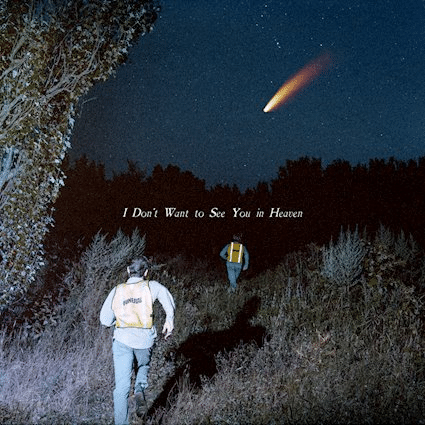
In the fictional Museum of Failure, 300 years from now, The Callous Daoboys’ “I Don’t Want to See You in Heaven” stands as a peculiar exhibit. As the Atlanta sextet’s framing device explains through a museum curator’s voice in the opening track, this is a collection born of “heartbreak, anguish, frustration, infidelity, lust, addiction, divorce, and suffering.” Yet listening to this album feels less like witnessing failure and more like watching a controlled explosion orchestrated by six musical daredevils who’ve found freedom in chaos.
Released May 16 via MNRK Heavy, this third full-length represents both an evolution and a paradox. Vocalist Carson Pace frames the album as his most autobiographical work yet, a document of his mid-20s and the years since getting sober in 2021. What emerges is a captivating collision of mathcore aggression, nu-metal playfulness, pop sensibilities, and experimental tangents that somehow coheres into one of 2025’s most fascinating releases.
The band doesn’t waste time setting their ambitious tone. After the museum audio guide intro, “Schizophrenia Legacy” blasts open with angular guitar attacks but surprises with Carson’s confident clean vocals taking equal billing with his caustic screams. The song drifts through mathy metal collisions before settling into an unexpected jazz interlude with Rich Castillo’s saxophone adding warmth to the calculated chaos.
On “Two-Headed Trout,” Pace offers a vulnerable glimpse into the grinding reality of artistic persistence: “I’ll swim upstream again / show you all the hooks in my mouth.” It’s about fighting for each opportunity and bearing the scars to prove it. The imagery perfectly captures the album’s preoccupation with artistic struggle, personal growth, and the sometimes foolish determination to continue despite the pain.
The band’s willingness to experiment reaches new heights on this record. Take the stunning pivot from “Tears on Lambo Leather”—featuring Orthodox’s Adam Easterling in a blistering hardcore collaboration with drum ‘n’ bass interruptions—directly into “Lemon,” a ’90s-inspired radio rock track that would feel at home on alternative stations between Third Eye Blind and Matchbox Twenty. This jarring transition exemplifies the album’s remarkable range without feeling forced or gimmicky.
“Lemon” became a divisive single upon release, with some fans calling them “The Fallous Outboys” (a joke the band embraced). The track finds Pace reflecting on a chance encounter: “Your mother saw me waiting tables and she asked if I was doing that band thing still / I always finish what I start, but I guess it’s been almost a decade of this.” This vulnerable admission lands differently within the album’s larger narrative about perseverance and perceived failure.
The album’s thematic centerpiece arrives with “Body Horror For Birds,” a haunting track that stretches into atmospheric territory. Here, Pace delivers the album title as a ghostly confession, while guest vocals from 1ST VOWS (Ryan Hunter of Envy on the Coast) add emotional gravity. This song serves as the record’s emotional core, stripping away aggression to reveal the raw vulnerability beneath all the noise.
What makes the Daoboys special is their ability to make extreme stylistic left-turns feel natural. Amber Christman’s violin, while somewhat underutilized, adds haunting textures when it appears. The band navigates from the nonsensical chanting of “Idiot Temptation Force” (with its chorus of “Ugga-ugga-boo, ugga-boo-boo-ugga!”) to the flute-introduced “Douchebag Safari” without missing a beat. Even “Distracted by the Mona Lisa,” with its pop-punk hooks and wedding vow references, fits perfectly within this sonic menagerie.
What’s impressive is how these stylistic experiments never feel like mere flexing. Each track contributes to a larger whole that’s “deliriously, unwittingly listenable.” The band draws from myriad influences—The Dillinger Escape Plan, Every Time I Die, The Used, even hints of Limp Bizkit and Cursive—but reshapes them into something distinctly their own.
The album’s closing epic, “III. Country Song in Reverse,” is a 12-minute prog-metal odyssey that might test some listeners’ patience. It’s the collection’s most ambitious piece, gathering all the album’s threads into a sprawling finale that, while occasionally meandering, delivers a cathartic conclusion to the journey.
Throughout “I Don’t Want to See You in Heaven,” The Callous Daoboys offer “a showcase of extremes: absurdity and sincerity, lush atmosphere juxtaposed with sensory overload, and poptimist detours alongside breakdowns that spiral into chaos.” The effect is deliberately jarring but meticulously crafted. They’ve created an album to be experienced like walking through a carefully curated gallery where each piece gains meaning from its relationship to the whole.
The paradox of the Museum of Failure concept becomes clear by the album’s end. In showcasing their perceived failures and vulnerabilities so brilliantly, the Daoboys have created something that defies failure entirely. Their willingness to meld seemingly incompatible styles while maintaining emotional authenticity results in music that feels urgent and alive.
“I Don’t Want to See You in Heaven” asks an intriguing question: If something endures through time—whether it’s art, relationships, or personal battles—can it truly be considered a failure? The Callous Daoboys have created their most cohesive and adventurous album to date, a document that celebrates the beauty found in chaos and the triumph hidden within perceived failure. Three hundred years from now, this wild, genre-defying collection might just be remembered not as an artifact of failure, but as a testament to the spectacular creative heights that can be reached by embracing vulnerability and artistic fearlessness.
I Don’t Want to See You in Heaven is out Friday May 16th via MNRK Heavy.
Share this :


