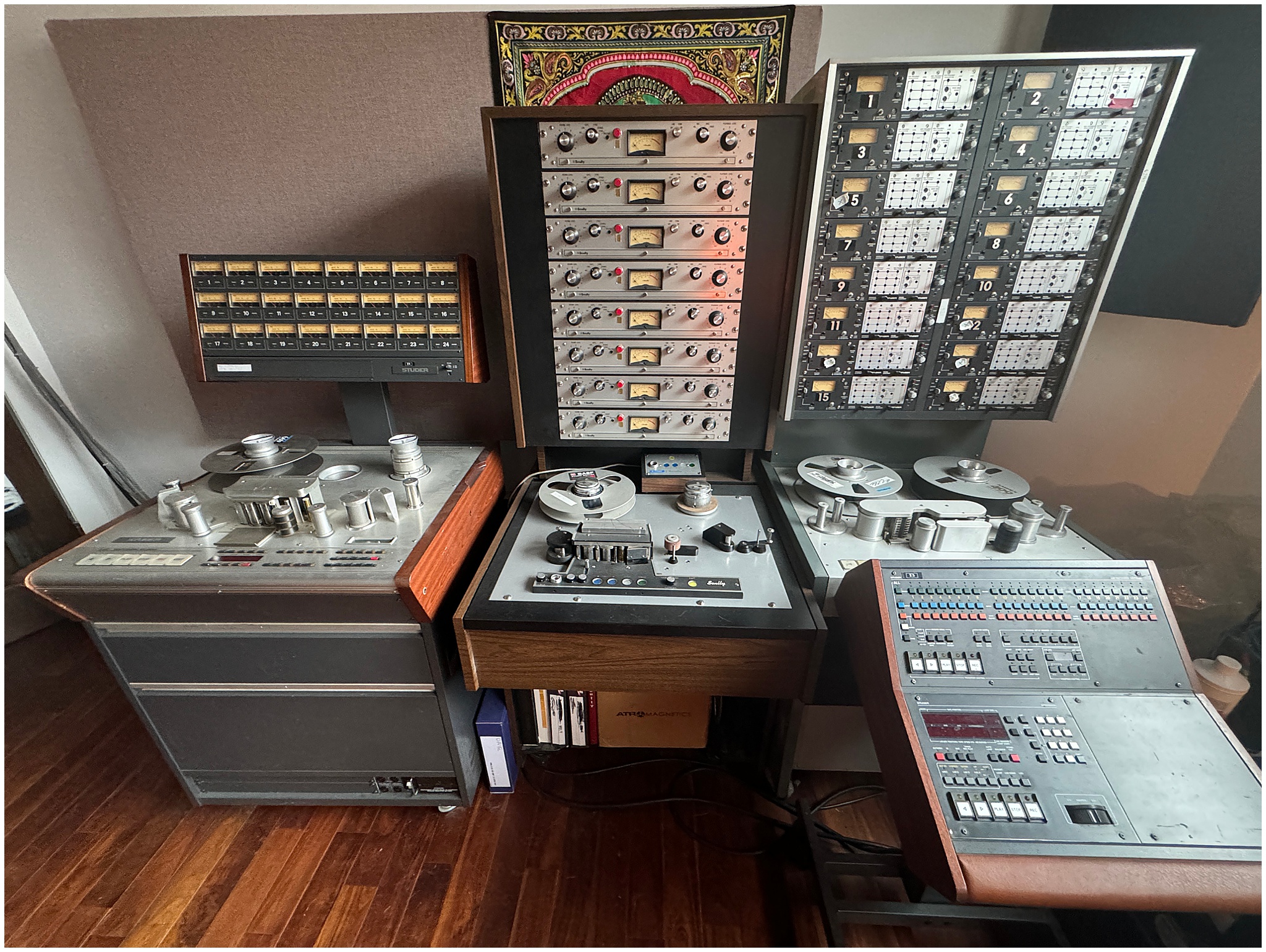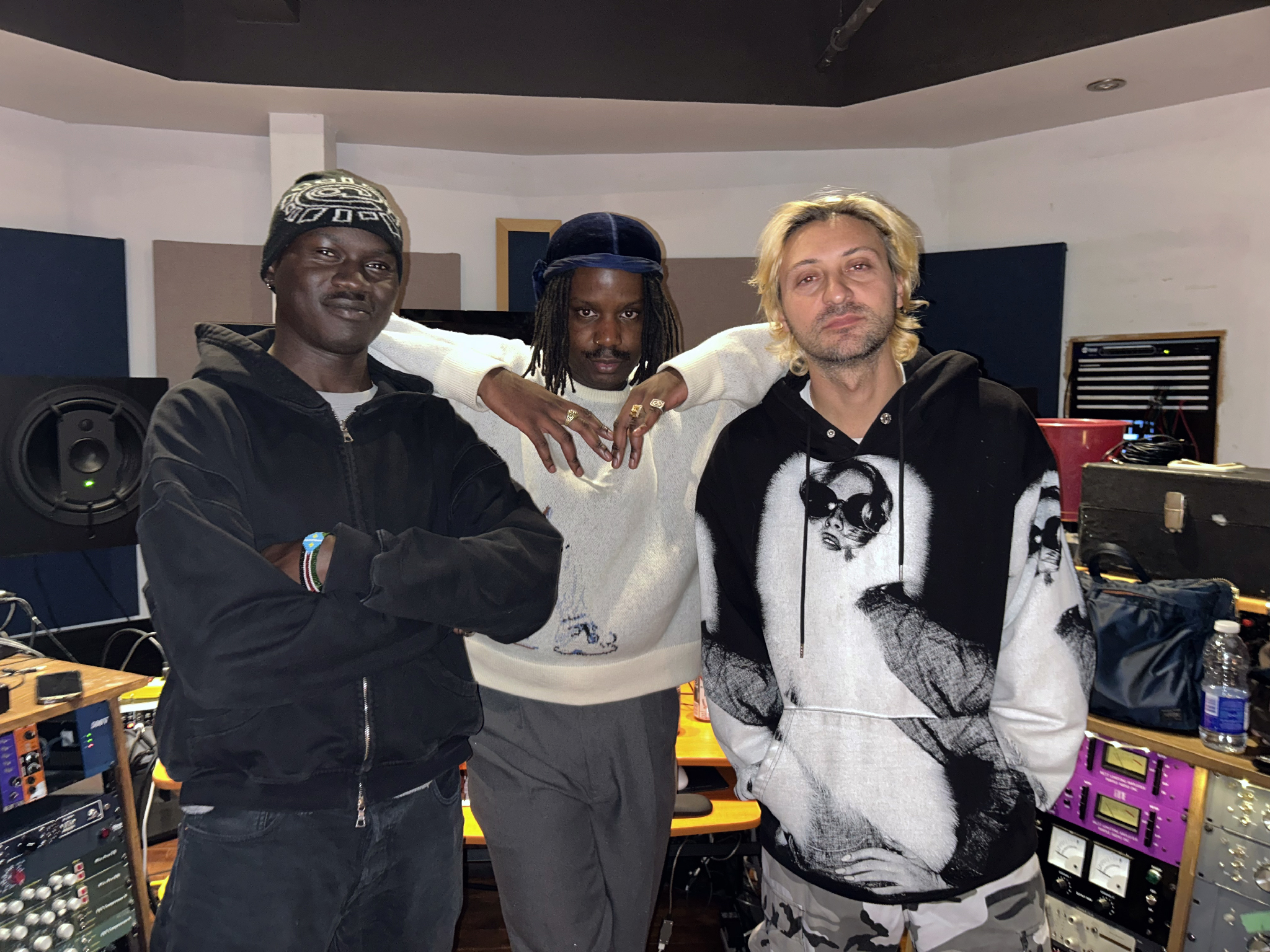
James Benjamin has spent over two decades watching records get made at Breakglass, the Montreal studio he co-runs with Jace Lasek. A Juno, Polaris, and Grammy prize-winning room that has been central to the city’s recording culture since the early 2000s, it has also given him a long time to watch what happens after the session ends.
“A lot of incredible music gets made, but there is often a gap between finishing a project and having the support, context, and momentum to actually release it well,” he says. “Recording something is one kind of process. Bringing it into the world in a way that gives it a real shot at connecting is another. What felt missing was a bridge between creation and release that was rooted in trust, transparency, and actual cultural infrastructure. Not every artist needs or wants a traditional label relationship, but many do need help with strategy, rollout, finishing details, positioning, distribution, and simply having people around them who care enough to help carry the project outward. We wanted to build something that could close that gap without stripping artists of agency in the process.”
Breakglass Records launches publicly on March 28 with an event at Below Breakglass, part of the Refraction/IRL World Tour, featuring X3butterfly, Jamvvis, Ekitwanda, Fieldnote (live), Dameer, Julio Mendy, Flleur, Cirque Cosmique, James Benjamin, and Fantasy. Its first-wave roster spans ambient, experimental electronics, club music, punk, and stranger territory: Beaver Sheppard, Booglaoo Jones, Crissemarquer, Dapapa, Dameer, Fieldnote, Jashim, Kiss Me Deadly, Korea Town Acid, No Waves, Syana, and Yourboykiran.
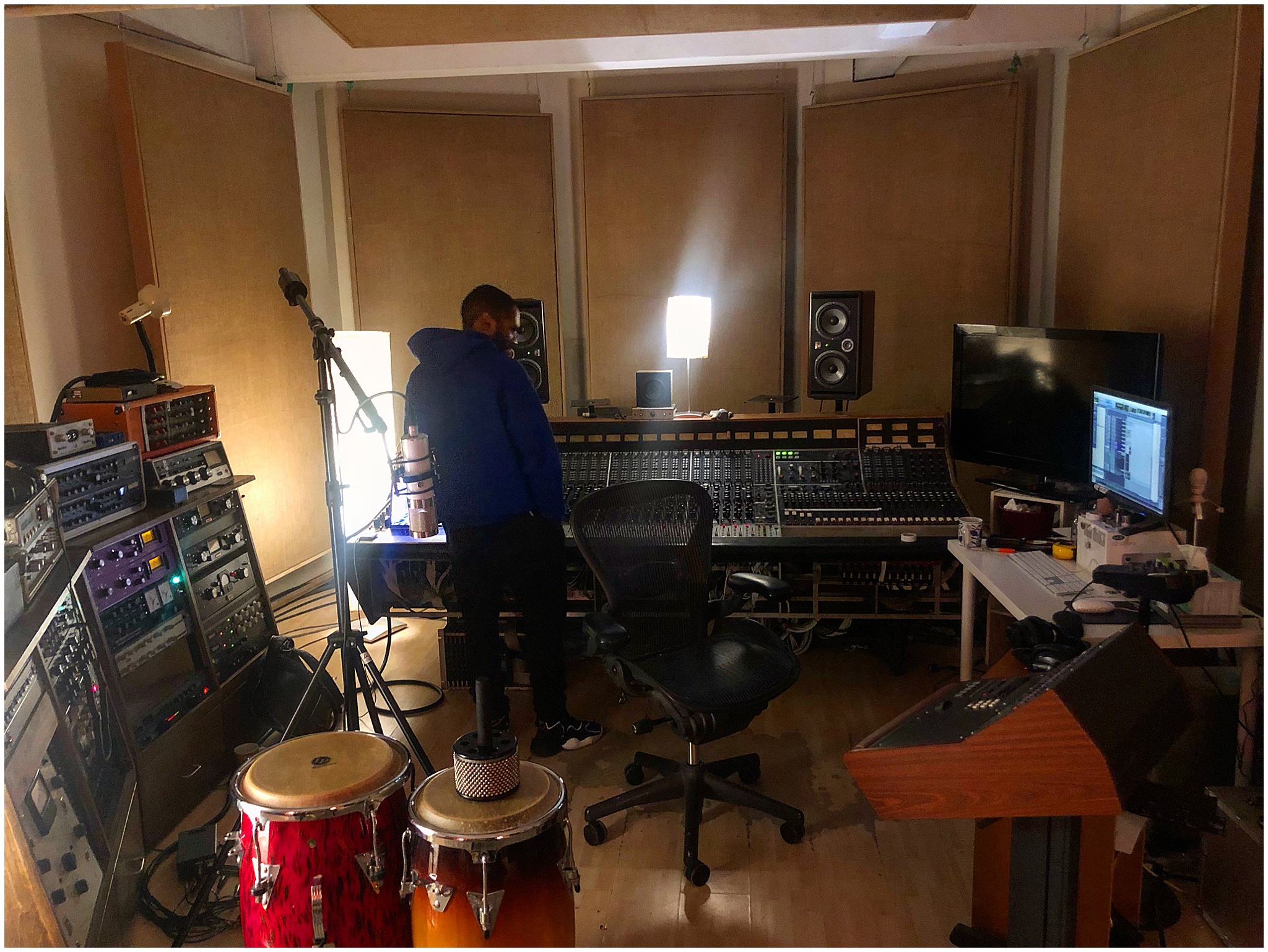
“What connects them is not genre,” Benjamin says. “It is a shared seriousness about building a voice and a shared willingness to take risks in how they make things. A lot of the artists in this first wave are doing work that feels personal, exploratory, and resistant to formula, even if the results sound very different from one another. There is also a real sense of community between them. These are not random names assembled to fill out a roster. They are people who have crossed paths through sessions, shows, collaborations, conversations, and mutual support.”
Breakglass has been building outward from the studio for years. Below Breakglass runs concerts and events; Breakglass Immersive handles spatial and experiential work. The label is the part that was always going to come next.
“Breakglass has always been more than a place where people come to record,” Benjamin says. “Over time, it has grown into a broader creative ecosystem where artists develop ideas, make records, test work live, build community, and shape projects in dialogue with the people around them. For years, we have wanted to be able to invest more deeply in the art and artists we believe in, but without a release pipeline it was hard to do that in a way that felt sustainable and fair. Launching the label feels like the missing piece. It completes an ecosystem we have been building toward for a long time. We now have the studio, the live spaces, the community, and a stronger sense of the values we want to build around.”
The label calls itself artist-led. Benjamin has specific things in mind when he says that. “The conversation starts with the artist’s actual goals, pace, identity, and way of working. Some artists want a very focused campaign around a single. Some want a slower build. Some care deeply about physical presentation, live activation, or visual world-building. We want the structure to respond to the work, not the other way around. For us, artist led means decisions stay close to the creative reality of the people making the work. It means the release process stays in dialogue with the art, instead of being imposed from above by people who only enter the picture once something is ready to be monetized.”
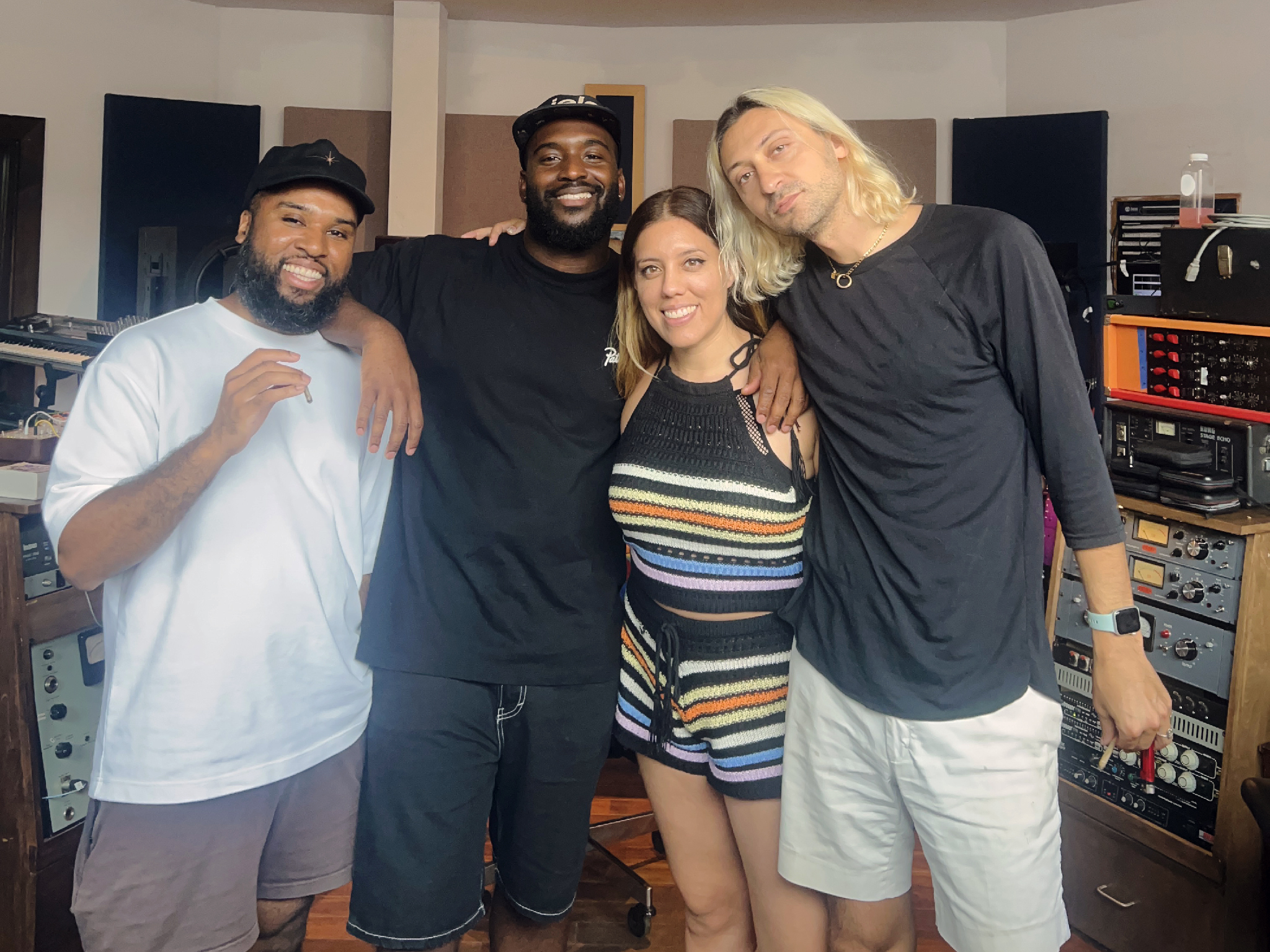
Benjamin and Lasek are both producers and working artists, and that history shapes how the label is positioned. “Jace and I are not approaching this as outside managers trying to extract value from creative work. We have both spent our lives making records, producing, experimenting, navigating uncertainty, and trying to build meaningful projects within an industry that often treats art as a commodity. In a moment when so much culture is being consolidated, financialized, and treated like an asset to be traded upward, there is real value in having a label run by people who are still deeply invested in the artistic process itself.”
“One of the biggest things is clarity,” he says. “Artists should understand what they are signing, how money flows, what each party is contributing, and what the expectations actually are. That sounds basic, but it is still surprisingly uncommon. Too often, artists are asked to give up too much in exchange for vague promises, especially in an industry where creative work is treated more like an asset than a relationship.”
Watch The Besnard Lakes performing live at Breakglass Studios during POP Montreal 2017 below.
On public funding, Benjamin doesn’t pull his punches. “We have been around long enough as a studio to see some of the public funding ecosystem stop functioning the way it was originally intended. Support that was supposed to strengthen recording culture and give artists access to professional spaces, tools, and expertise has too often been absorbed by larger label structures in ways that do not meaningfully flow back into the recording ecosystem. That has real consequences. It weakens studios, reduces access to high-level creative environments, and ultimately devalues the process of making records. We think artists deserve better than a system where resources are captured administratively but do not fully reach the work itself.”
Montreal already has a rich independent label culture, and Benjamin isn’t pretending Breakglass Records exists to fill a vacuum. “We are not trying to position Breakglass as the singular answer to anything. What feels distinct about our place within that landscape is that the label grows directly out of a long-standing physical and creative infrastructure.” The gap he sees is about reach. “Some parts of the ecosystem are very locally embedded but do not always push far beyond that, while others are outward-facing in a way that can lose touch with the actual communities producing the work. We want to sit in that middle space: genuinely of this scene, but not limited by it. If we can help create a pipeline where artists emerging from Montreal’s grassroots culture can be supported seriously and also reach audiences far outside the city, that would feel like a meaningful contribution.”
Beyond standard releases, the label plans to draw on the studio’s tape archive for reissues and develop an ambient and immersive catalogue tied to installation and performance. “The release is not just a product format,” Benjamin says. “It is a way of framing and sharing a body of work. Sometimes that may look traditional. Sometimes it may not. We are interested in staying flexible enough to respond to what the work actually asks for, especially when it comes from practices that do not fit neatly into standard industry categories.”
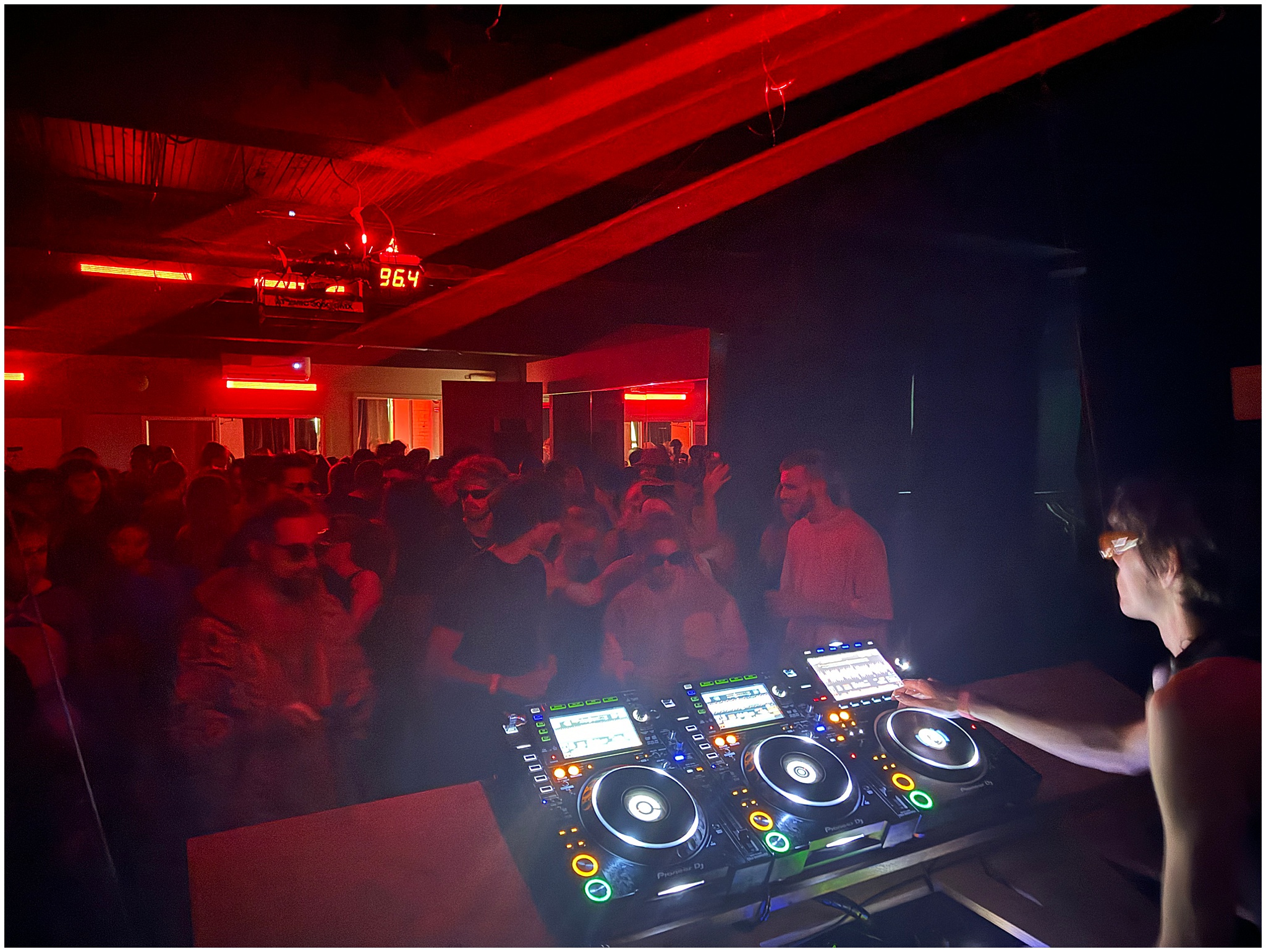
The March 28 launch brings together the extended Breakglass community in one room, and Benjamin is direct about why that still matters. “A big part of what Breakglass has always been about is physical proximity, people actually meeting, hearing each other’s work, and building trust in real time,” he says. “That kind of connection changes the way culture forms. It makes scenes more durable, more human, and less abstract. The launch event is not just a celebration or a promotional moment. It is also a way of making visible the community the label is rooted in. In a time when so much of music can feel disembodied or reduced to metrics, gathering people in a room still matters. It reminds you that music is social, spatial, and collective.”
Ask Benjamin what the label looks like if it’s working in a few years, and he doesn’t reach for numbers. “I think it would mean a few things. First, that artists feel genuinely supported and want to keep working with us because the experience felt fair, useful, and creatively affirming. Second, that the label develops a catalogue with a real identity, not because everything sounds the same, but because there is a recognizable level of care and conviction running through it. I would also hope the label becomes a place where artists at different stages of their careers can meaningfully intersect, support one another, and help expand the reach of the broader community around the music.”
“If a few years from now Breakglass Records has helped meaningful work get made, get heard, and continue to grow without losing its soul, then I would feel like it is doing what we set out to do.”