
In the vibrant heart of Montreal, a city known for its cultural richness and lively spirit, a transformation is on the horizon. As 2024 approaches, the local government, fueled by the persistent efforts of organizations like MTL 24/24, is poised to introduce a groundbreaking change to its urban fabric: the introduction of 24-hour nightlife.
Earlier in the month, Radio-Canada shed light on this exciting development, reporting the city’s plans to ratify long-awaited nightlife policies, followed by concrete actions. These policies mark a significant shift, allowing nightlife businesses to operate around the clock every day of the year. The Latin Quarter, a once-thriving hub of cultural activity now facing the challenges of tenant abandonment, is set to be the first beneficiary of this innovative initiative. This move aims not only to revive the area’s lost vibrancy but also to address broader concerns such as gentrification, loss of spaces, and the rising cost of living.
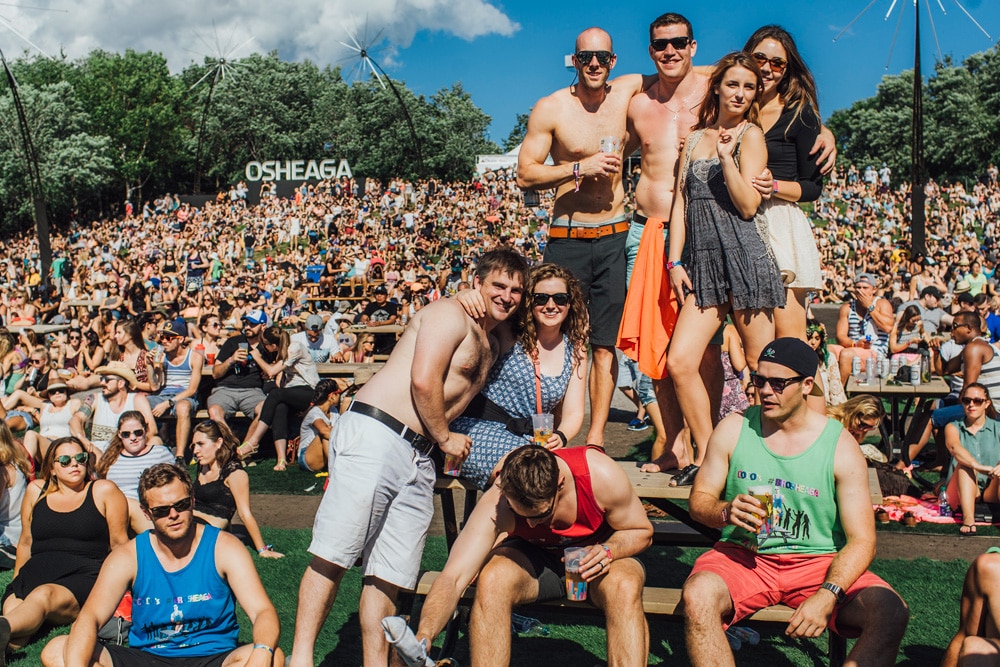
The pilot project in the Latin Quarter, if successful, could expand to other downtown areas, radically transforming Montreal’s nightlife landscape. Venues, which currently close their doors at 3 AM, will have the opportunity to welcome patrons at any hour, potentially revitalizing the local economy and cultural scene.
This shift is a result of sustained advocacy by groups like MTL 24/24. In May, the non-profit made history by organizing ‘NON STOP’, a 36-hour party that not only set a precedent for Montreal’s nightlife but also highlighted the need for a more sustainable and structured approach to the city’s nocturnal economy. Matthieu Gordin, co-founder of MTL 24/24, underscored the challenges faced by businesses under the old policies, particularly the restriction on alcohol sales post-3 AM. He pointed out the economic pressures like inflation and gentrification and how they’ve made nightlife less accessible and affordable.
Radio-Canada’s report also mentioned other facets of the proposed nightlife policies. These include assigning noise regulations based on the location of performance venues, balancing the need for vibrant cultural spaces with the tranquility of residential areas. Moreover, the city plans to restrict housing construction near performance halls, thus protecting these cultural hotspots from residential encroachment. In anticipation of these changes, the city had already invested $2.1 million in 2022 for the development of local nightlife culture, including the 24-hour initiative in the Latin Quarter and soundproofing programs for smaller venues.
As Montreal steps into 2024, it stands on the cusp of redefining its nightlife. The introduction of 24-hour operations in selected areas is more than just a policy change; it’s a cultural shift, promising to rejuvenate the city’s nocturnal charm and bolster its standing as a global cultural metropolis. The Latin Quarter’s transformation could well be the first ripple in a wave of revitalization, bringing with it renewed energy, economic opportunities, and a vibrant, inclusive nightlife that reflects the dynamic spirit of Montreal.
Share this :


