Maude used to freeze before she’d written a single word. “I used to hesitate to even write sometimes, out of fear of being judged or failing,” she says. “That pressure felt very internal, even before there were more eyes on my work.” The French-Canadian indie songwriter, born in Montreal and raised in Vancouver, has spent the last several years quietly assembling something sharp, cinematic, and unmistakably her own. Her latest single, “Dis-Moi,” released on February 13th, 2026, is the clearest signal yet that she’s stopped waiting.
The geography of Maude‘s upbringing runs through everything she makes. “I’ve definitely grown up with both sides flowing through me, and I think that naturally comes through in my music,” she says. Her debut EP, Intertwine, leaned into the open, atmospheric quality she associates with the West Coast. “It really felt like breathing in the open air, spacious, atmospheric, and cinematic, even if that wasn’t something I was consciously trying to capture at the time.” Lately, though, she hears something shifting. “I feel my music has started to embrace more of the coolness and edge of the East Coast. There’s a subtle romanticism and emotional directness that feels tied to my Montreal roots. I think both cities live in me in different ways, and depending on the season of my life, one voice might speak a little louder than the other.”
Writing more in French has deepened that pull toward Montreal. “It brings out a different vulnerability and texture in my storytelling,” she says. When Maude first started working with French producer Loig Morin, who discovered her through covers and original songs she’d been posting online, that side of her creativity was still something she held at arm’s length. “I was actually shy about writing in French. Living in a predominantly English-speaking environment, it felt a bit intimidating to tap into that side of myself creatively.” Morin pushed her toward it rather than around it. “Because he understood both the cultural and emotional nuances of French music, he encouraged me to lean into the language rather than hold back from it. That collaboration helped me see language not just as a tool, but as a texture.”
“Over time, writing in French started to feel more natural. It unlocked a different side in my songwriting and allowed me to express certain emotions in ways that English sometimes doesn’t.” She’s not interested in picking a side. “I don’t see it as choosing one over the other. I see both languages as essential parts of my identity, and my music feels richer because of that. It really depends on the energy of the song. Sometimes a melody naturally calls for French; other times, English feels like the right fit. I try not to overthink it.”
Before Morin, songwriting had been something Maude kept largely to herself. Working with him changed what the whole enterprise meant to her. “It was the first time I saw music as more than just the feeling it gave me. I began to understand the responsibility and craft behind it, how much care goes into shaping a song, and how much of yourself you can consciously pour into it. That shift was about moving from instinct to intention, from creating only for myself to creating with purpose and longevity in mind.”
Her ongoing collaboration with JUNO and Grammy Award-winning producer Chin Injeti has pushed that further. He produced “Dis-Moi,” and the two have been working together long enough that the dynamic has become something she clearly values beyond any individual track. “My collaboration with Chin has been a more recent chapter in my life, and even in just a few years of working together, it has given me incredible insight into songwriting and the music industry as a whole. He has always been generous with his knowledge, and I’m constantly inspired by the way he approaches music. I’m always eager to listen, learn, and watch him work in the studio.” The sessions have shaped the direction she’s been moving toward. “Being in the room with someone who has such a strong technical foundation and creative vision has expanded my skill set and opened my horizons in ways I hadn’t imagined. Collaborating with him has not only elevated my music, but also helped me step more confidently into who I am as an artist.”
“Dis-Moi” is a smooth, synth-driven track with strong hooks and an unmistakable late-night pull, and it sits naturally alongside artists like La Femme and L’Impératrice, with the French adding atmosphere rather than limiting reach. An immersive music video is set to extend that world further. Maude doesn’t resist the reference points but she’s not building a mood board around them either. “All these great artists resonate with my music in one way or another. I always try to balance the sonics with lyricism, and making something meaningful to me means hitting both chords that really make you feel something deep down. I had a great time building this story and making it feel like a late-night drive.”
The distance from Intertwine is audible, but she doesn’t frame it as a pivot. “Intertwine captured a real period of self-discovery for me. It was a space where I allowed myself to be vulnerable and lean into emotional guitars and cinematic textures that mirrored that introspective phase. ‘Dis-Moi,’ on the other hand, feels like a natural evolution. It’s more polished and synth-driven, but that shift wasn’t forced; it grew out of feeling more confident in my voice and clearer about my artistic direction. I see it less as a deliberate choice and more as an organic progression into a more self-assured version of myself, both creatively and personally.”
Maude occupies an interesting position in the Canadian music landscape, somewhere between Quebec’s thriving French-language alt-pop world and Vancouver’s indie community, without feeling rooted in either. “Being from Quebec and living in Vancouver sometimes makes me feel like I exist between two worlds, so I wouldn’t say I feel pressure to represent one specific scene, but I do feel incredibly proud to be a part of them. I think existing between multiple identities allows me to create something that feels layered and personal. It gives my music a richness and individuality that wouldn’t exist if I were rooted in only one place.”
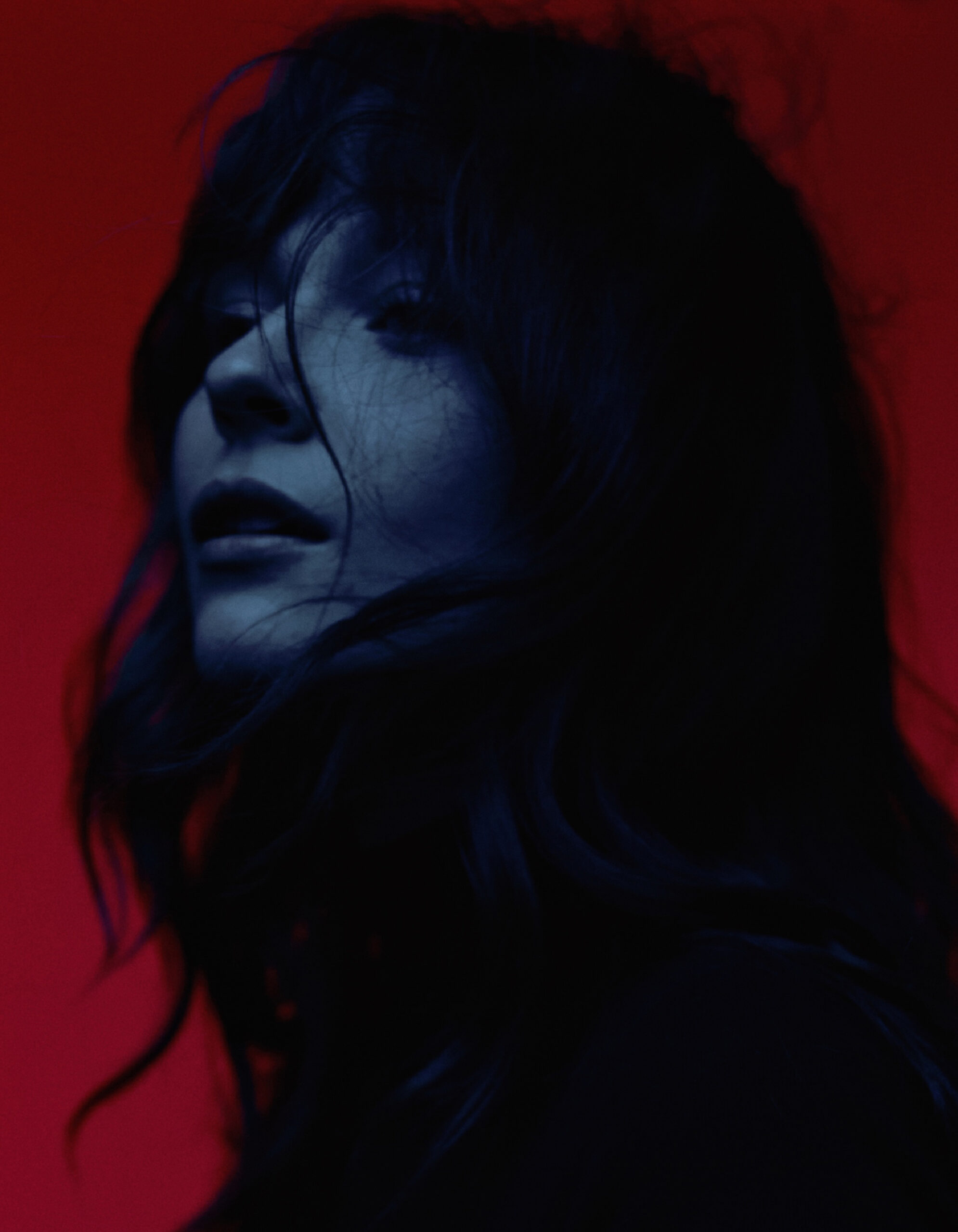
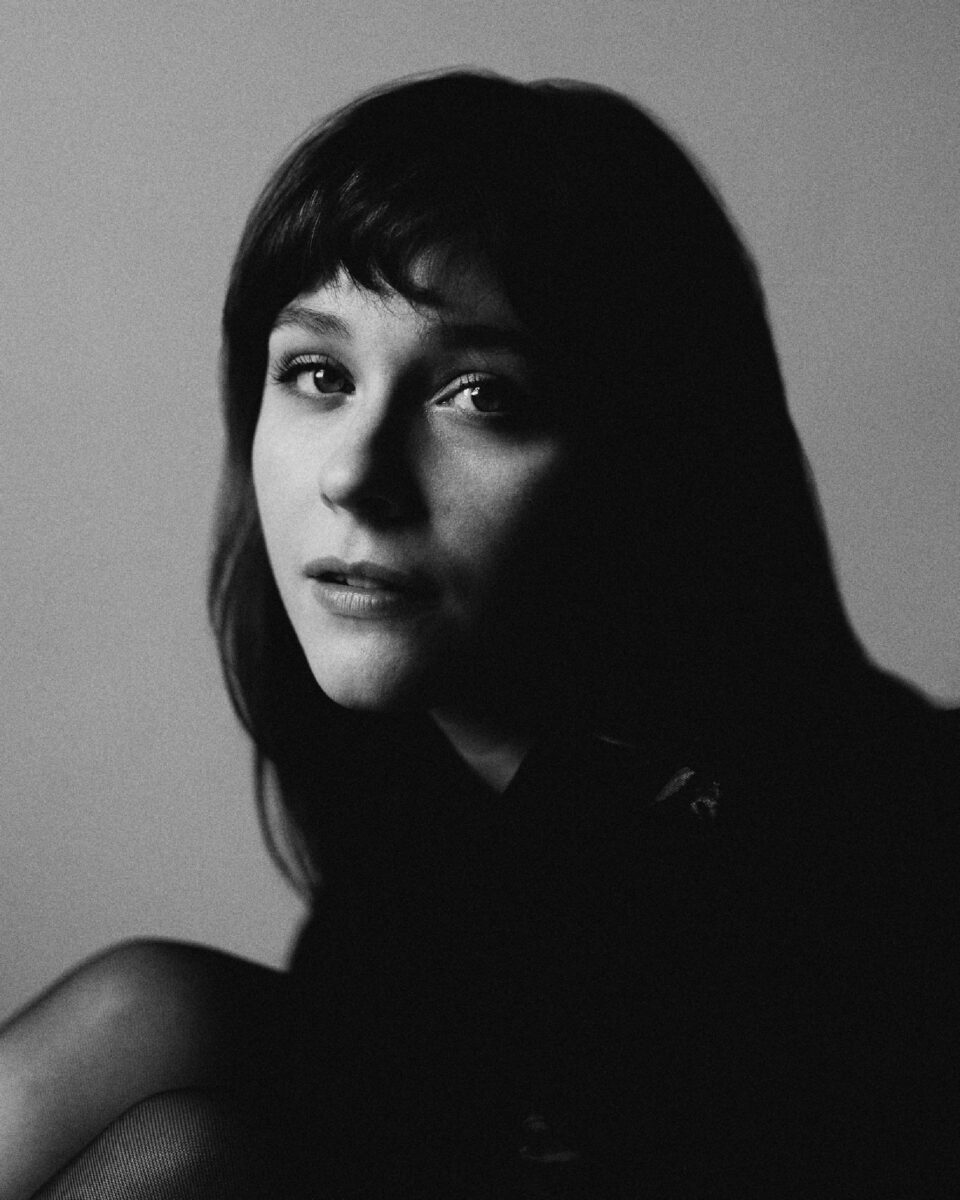
That in-between quality carries through to her visual world too: the grainy film photography, the vintage fashion, the atmospheric presentation that makes her press shots feel like stills from a film no one has made yet. “Those themes show up naturally in my life, so it doesn’t feel separate from the music at all. A lot of it comes down to what inspires me. I’m drawn to things that feel classic, vintage, and romantic. When the visuals and the sound feel aligned, each song feels more intimate and genuinely true to who I am.”
And the fear? The version of Maude who hesitated? “Those thoughts still creep in from time to time, but I have a much stronger belief in my vision now. More than anything, I feel excited. Instead of fearing how the music will be received, I look forward to sharing my world with people now more than ever.”