
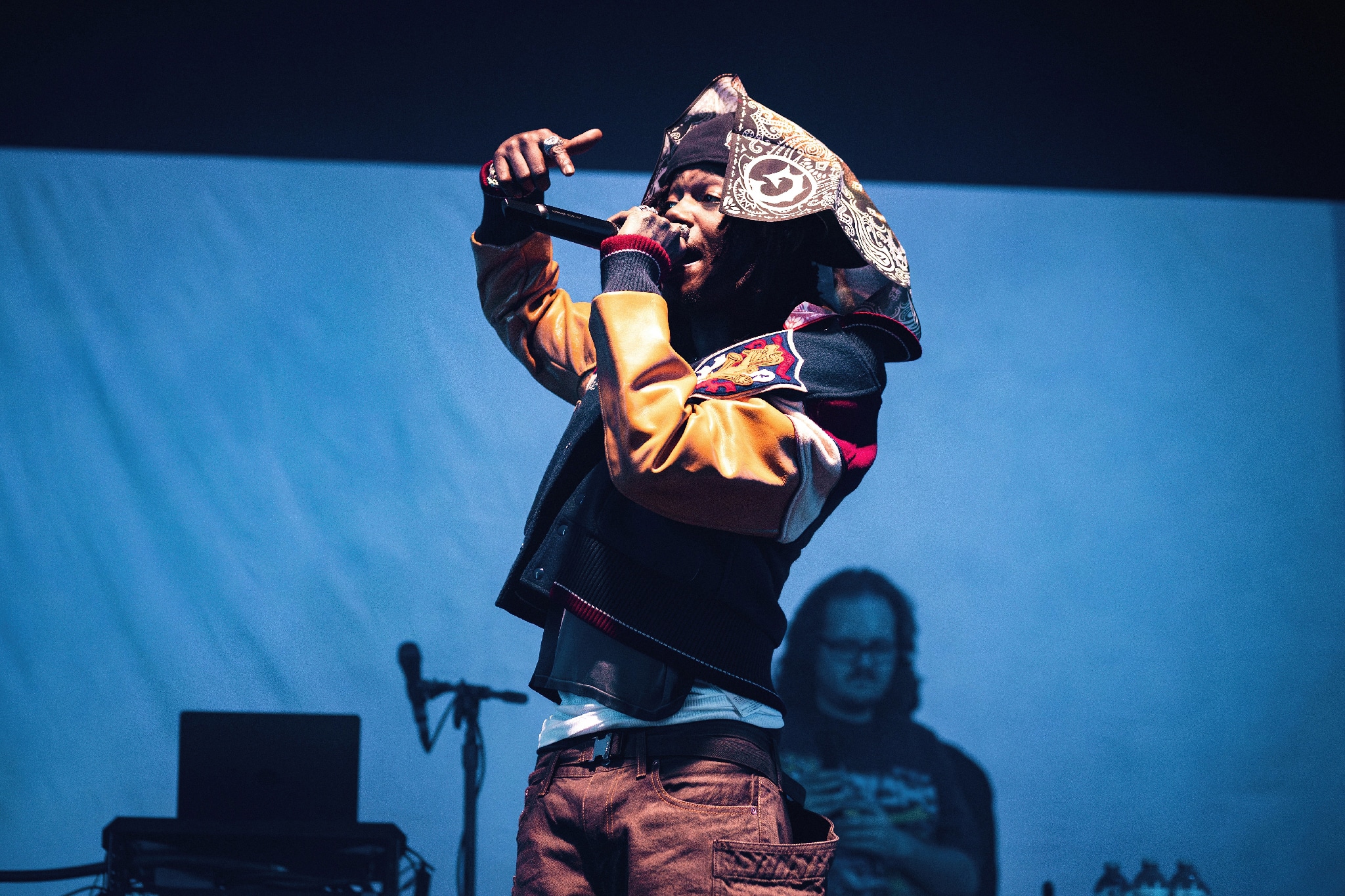
There’s a moment midway through JID’s set at MTELUS when the Atlanta rapper pauses between songs, catching his breath after a particularly breathless verse, and you realize you’ve been holding yours too. It’s not theatrics or posturing. The 34-year-old born Destin Route simply operates at a level of technical precision that demands your full attention, like watching a tightrope walker who refuses to use a net.
Friday night’s stop on the God Does Like Paradise world tour delivered exactly what the Georgia native has become known for: lyrical density that would make lesser rappers collapse, breath control that defies human physiology, and a stage presence that transforms a 2,300-capacity venue into something far more intimate. This wasn’t a victory lap. It was a masterclass.
The evening opened with Chris Patrick, the New Jersey upstart who’s been earning viral attention for his freestyling prowess. Fresh off his widely shared “Man at the Garden” session over Kendrick Lamar’s production, Patrick arrived with something to prove and the skills to back it up. His set crackled with youthful hunger, sharp punchlines landing with the confidence of someone who knows the internet is watching. There’s a looseness to his delivery that feels refreshing, even if the rougher edges occasionally showed. But that’s the point of opening slots: they’re laboratories, and Patrick is clearly still experimenting with what works.
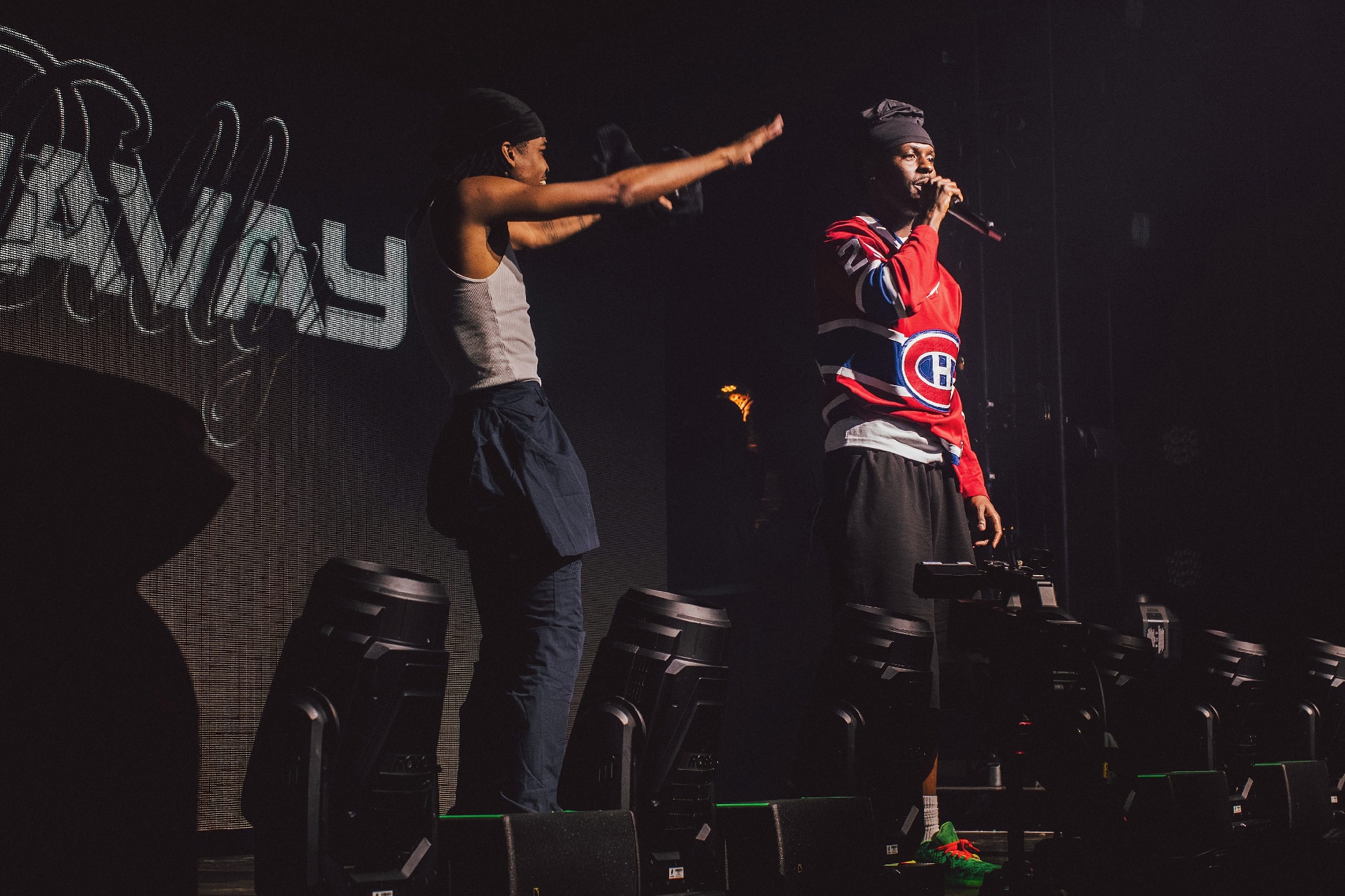
SwaVay followed with a different energy entirely. The Atlanta artist, whose decade-long independent grind culminated in 2022’s well-received Almetha’s Son, brought a more measured approach. Where Patrick exploded, SwaVay simmered. His brand of introspective trap poetry found its groove about three songs in, when the crowd stopped treating him as pre-game entertainment and started actually listening. The shift was palpable. By the time he closed his set, he’d earned the room’s respect through sheer craft rather than flash. It’s the kind of performance that doesn’t generate Instagram clips but sticks with you on the drive home.
Both openers served a clear purpose beyond warming up the crowd. They established the evening’s aesthetic: technically proficient, emotionally direct, no gimmicks required. When JID finally emerged, it felt less like a gear change and more like the logical conclusion of an argument the opening acts had been building.
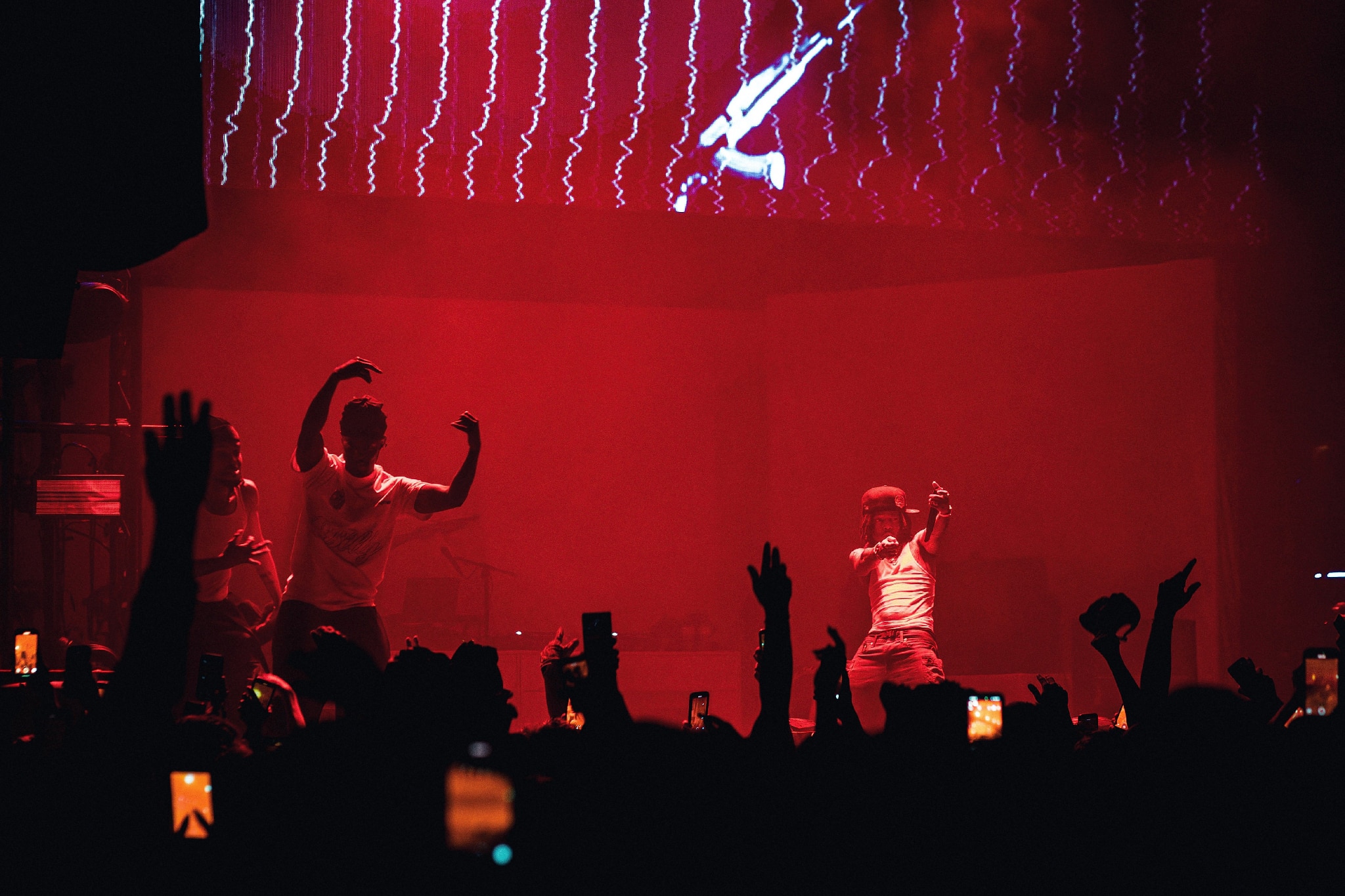
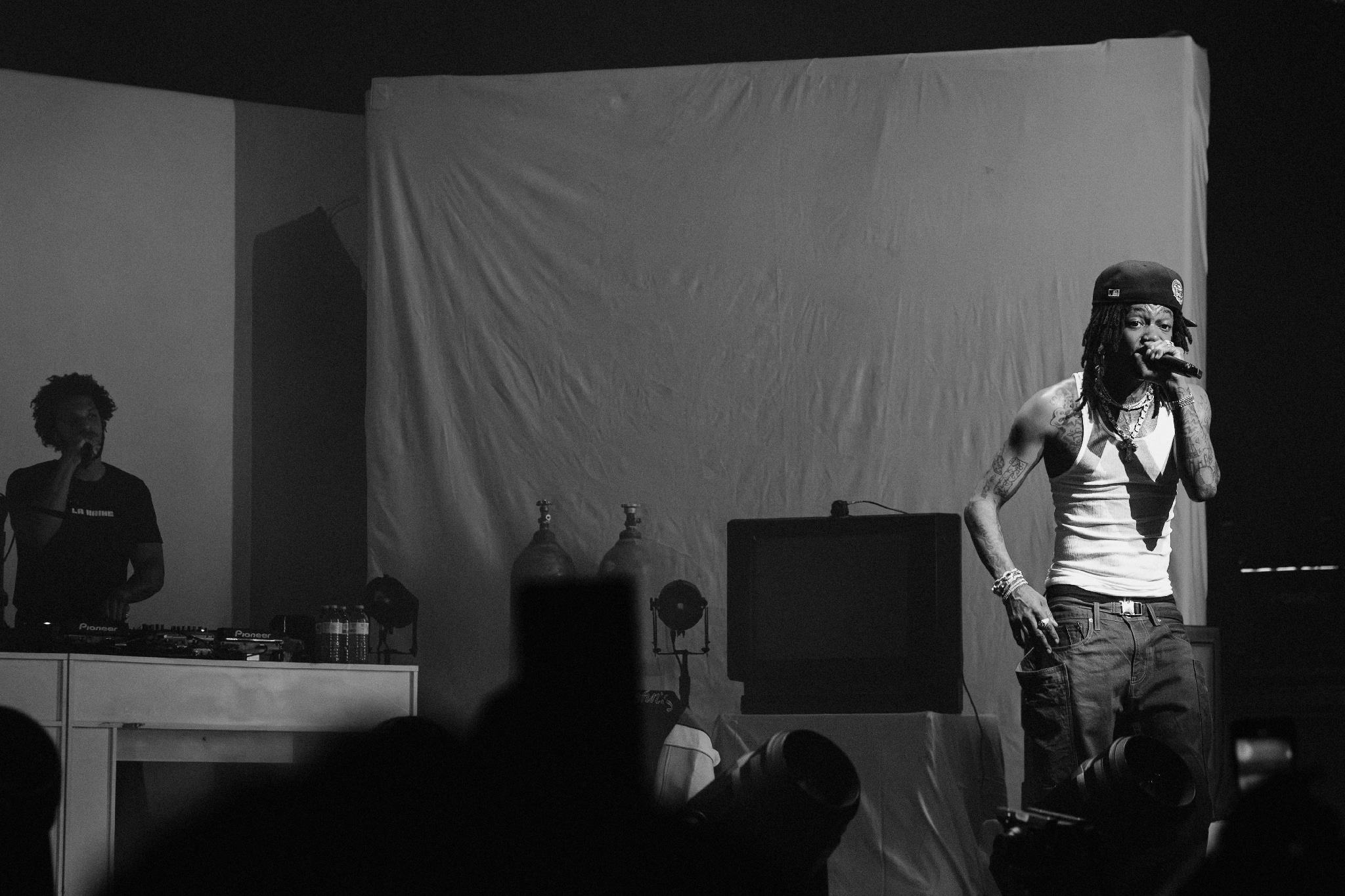
The stage design immediately signalled ambition. Three large blocks draped in white sheets dominated the platform, while two figures hung suspended on either side, their apocalyptic costuming suggesting judgment day or perhaps just the end of something significant. A DJ held court in the back, surrounded by lights that would shift from warm amber to cold blue depending on the song’s emotional temperature. Above it all, a massive screen flickered with video clips and symbolic imagery that never quite tipped into pretension. The whole setup walked a fine line between art installation and rap concert, and mostly stayed on the right side of that divide.
JID opened with “YouUgly,” immediately establishing the evening’s thematic territory. The album title God Does Like Ugly comes from his late grandmother, and launching with this track felt intentional, a statement of purpose before the technical fireworks began. Route delivered it with the kind of focused intensity that would define the next 90 minutes, his voice cutting through MTELUS with clarity and purpose.

What separates JID from his technically proficient peers is how he modulates that skill. The early stretch moved through “Glory” and “Community” before hitting the more melodic territory of “VCRs,” tracks that showcase his range without sacrificing complexity. “Workin Out,” arriving about a third of the way through the set, landed particularly well, its bouncing production from DiCaprio 2 giving the crowd permission to breathe before Route inevitably demanded their full attention again.
The mid-set run demonstrated his versatility. “Kody Blu 31” and “Stars” offered more introspective moments, while “On McAfee” and “Sk8” brought the energy back up. This wasn’t accidental pacing. Route understands how to build and release tension, when to let the crowd catch their breath and when to steal it back.
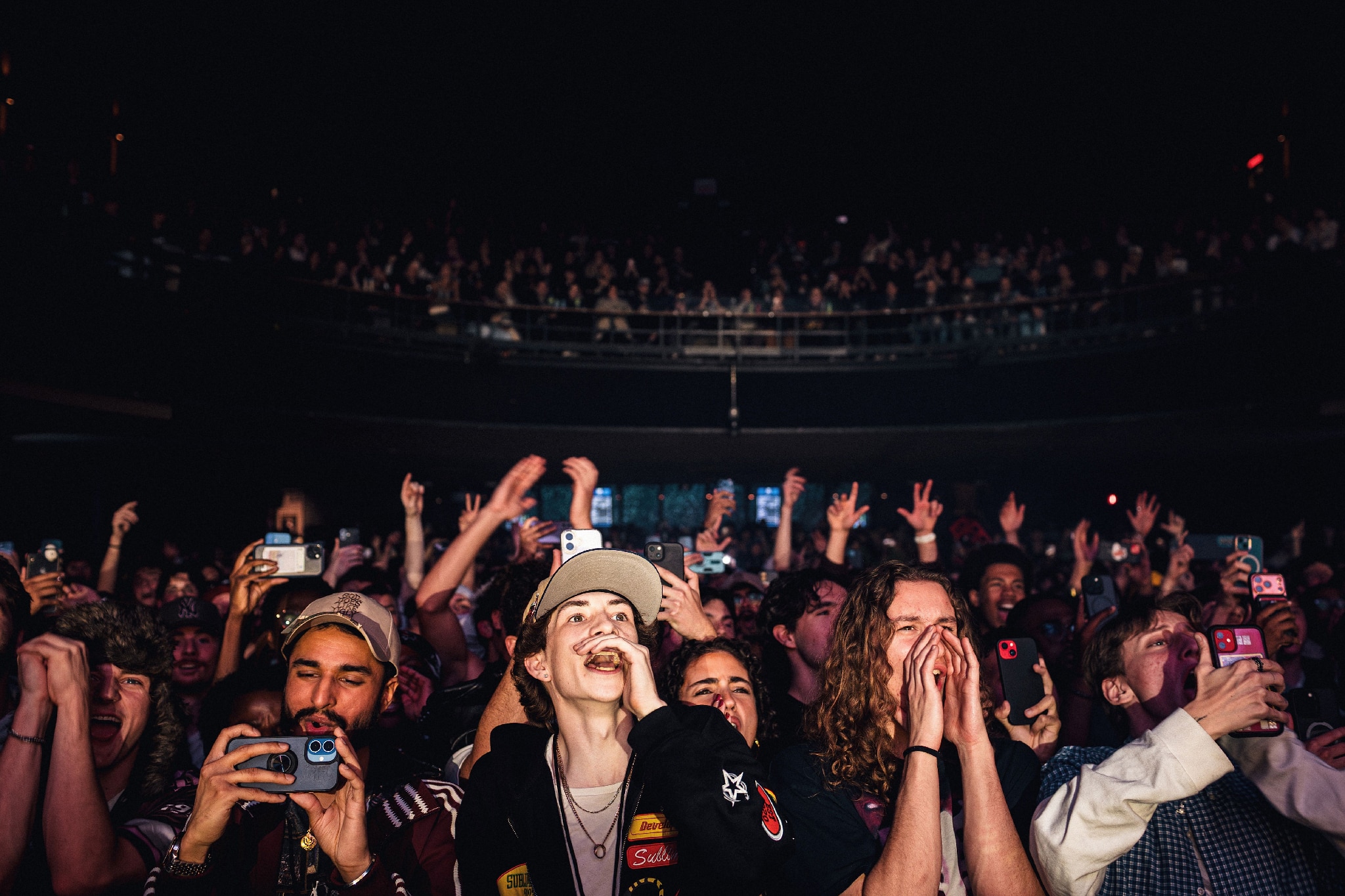
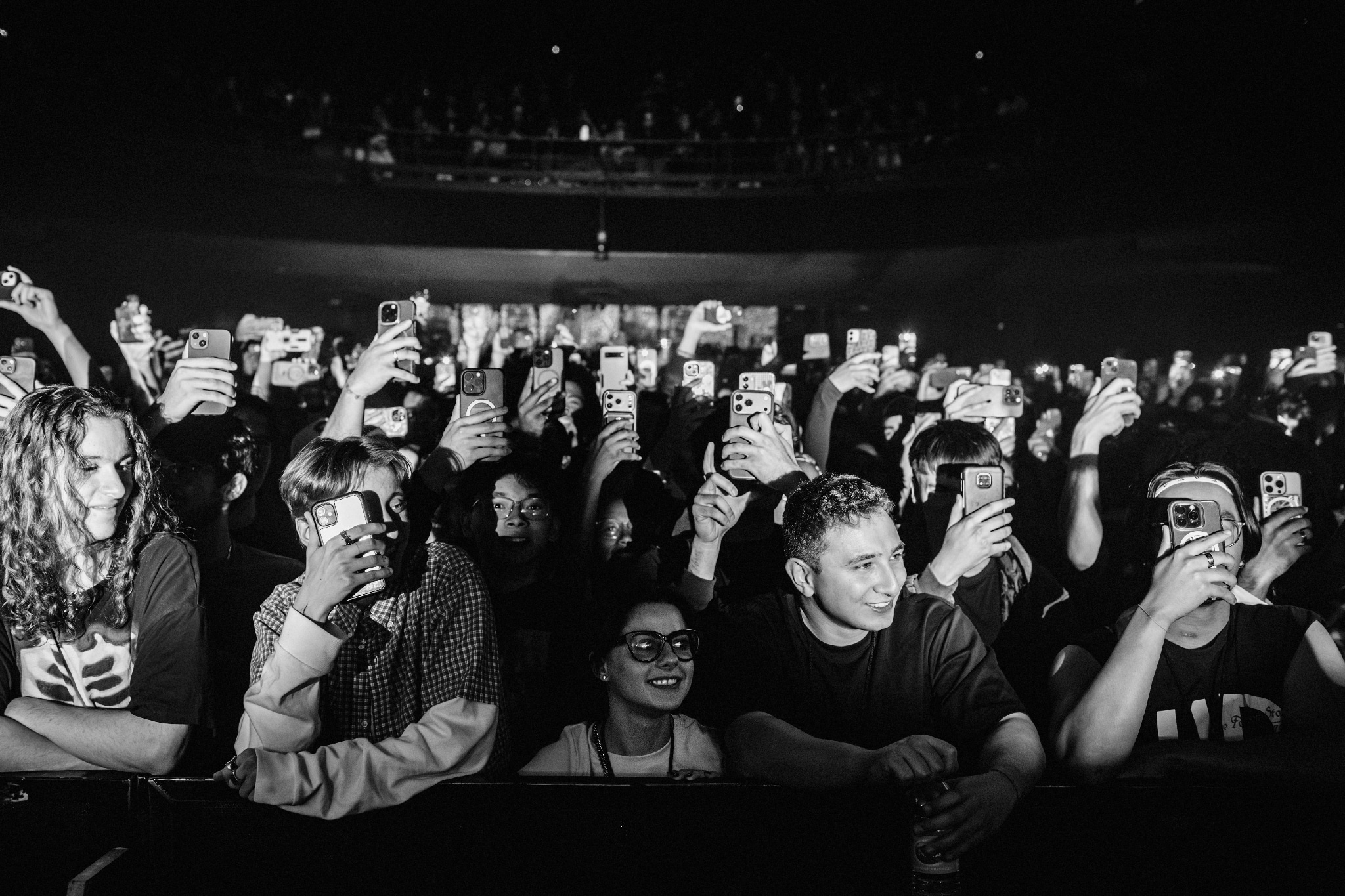
The arena-sized singalong for “Surround Sound,” arriving in the home stretch, proved what everyone already knew: JID has crossover appeal without compromising his core identity. When he let the Montreal crowd handle the chorus, their voices filled MTELUS with the kind of collective energy that reminds you why live music still matters in the streaming age. Route grinned through it, clearly feeding off the response but never pandering to it.

He closed with “Stick,” the Dreamville collaboration that demands the kind of breath control that shouldn’t be humanly possible. After 21 songs, most artists would be coasting. Route attacked it with the same surgical precision he’d brought to the opener, hitting every syllable like it owed him money. The crowd responded accordingly, creating a mosh pit that persisted until the final bars.
Between songs, he spoke about the new album without belaboring the point, offering just enough context before diving back into the music. It’s a smart approach. The songs carry the emotional weight; the explanations are just footnotes.
The production values throughout remained consistently impressive. Lighting cues hit their marks, video content enhanced rather than distracted, and the sound mix, always a gamble at MTELUS, delivered the chest-rattling bass these songs demand without turning everything into mud. The suspended figures on either side of the stage, initially seeming like pure aesthetic choice, took on new resonance as the show progressed. They became visual anchors for the show’s underlying tension between darkness and transcendence, though calling too much attention to that feels like over-reading a setup that mostly just looked cool.

JID’s stage presence deserves particular mention. He’s not a dancer, not a showman in the traditional sense. He paces, he points, he occasionally jumps. But there’s an intensity to his focus that holds attention more effectively than choreography ever could. You watch him because you’re genuinely curious if he’ll stumble over one of these impossibly complex verses. He never does, but the possibility keeps you engaged.
The setlist smartly balanced new material with established favourites, never letting the evening become either a greatest hits package or an album showcase. Deeper cuts sat comfortably next to crowd-pleasers, united by Route’s commitment to technical excellence. If there’s a criticism, it’s that the sheer density of his lyricism can become overwhelming. Twenty-two songs of this caliber, delivered with this intensity, left even the most devoted listeners looking slightly exhausted.
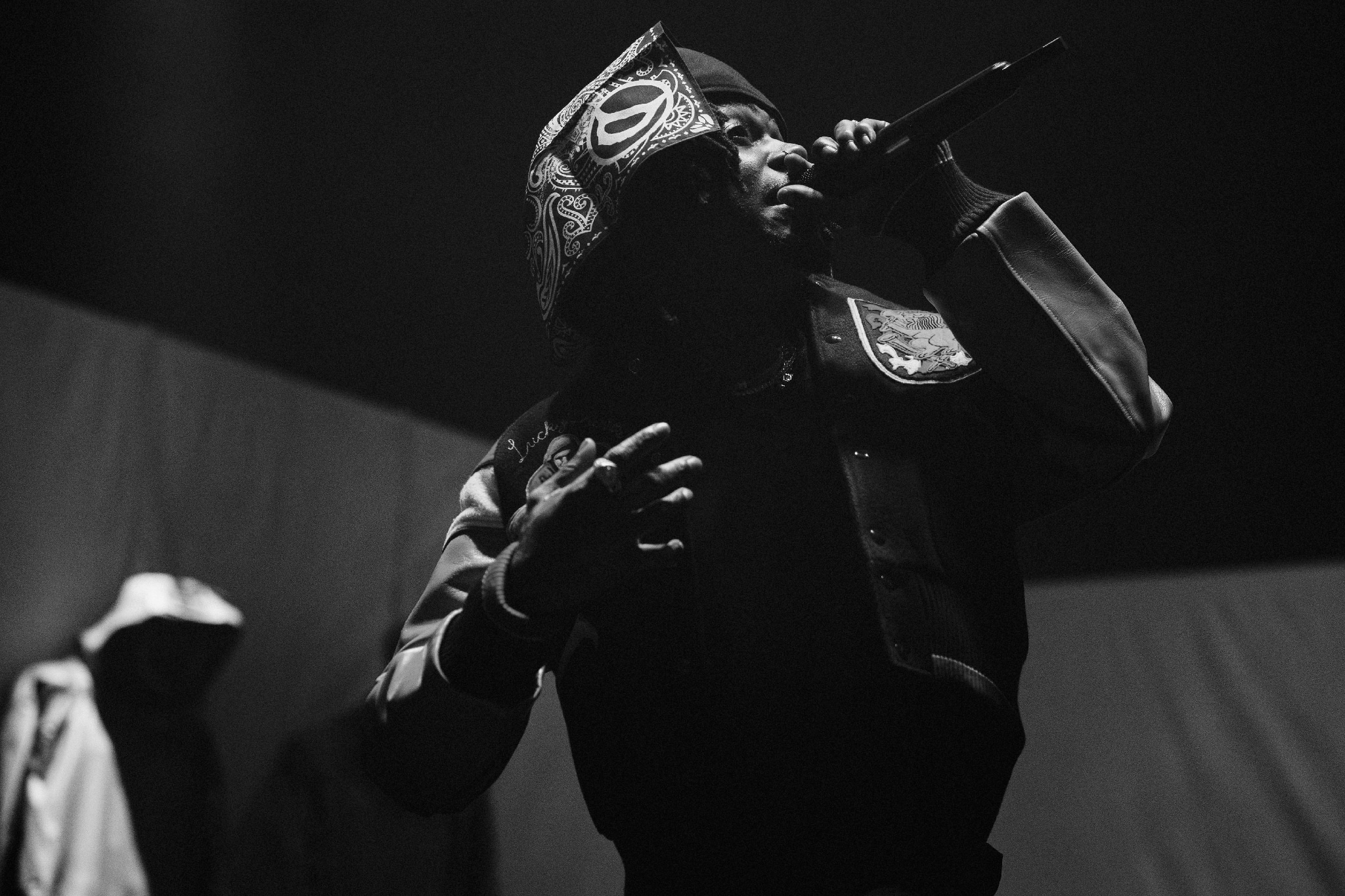
The God Does Like Paradise tour, which launched October 15 in Virginia Beach and runs through June 3, represents JID at a career crossroads. He’s too skilled to remain underground, too uncompromising to go fully mainstream. Friday’s Montreal stop suggested he’s comfortable in that liminal space, serving an audience that appreciates craft without requiring accessibility.
As the house lights came up and the crowd filtered into the cold January night, the consensus was clear: this was a proper concert, the kind where your ears ring and your voice is shot from trying to rap along to verses you had no business attempting. JID delivered exactly what he promised: technical mastery in service of actual songs, flashy production that enhanced rather than obscured the music, and 90 minutes that felt both exhausting and somehow not quite long enough.
He remains one of hip-hop’s most compelling live performers, proof that the genre’s future doesn’t require choosing between skill and accessibility. Sometimes you can have both, provided you’re willing to put in the work.
Review & photos – Steve Gerrard
Share this :


