
Interview with Fencer
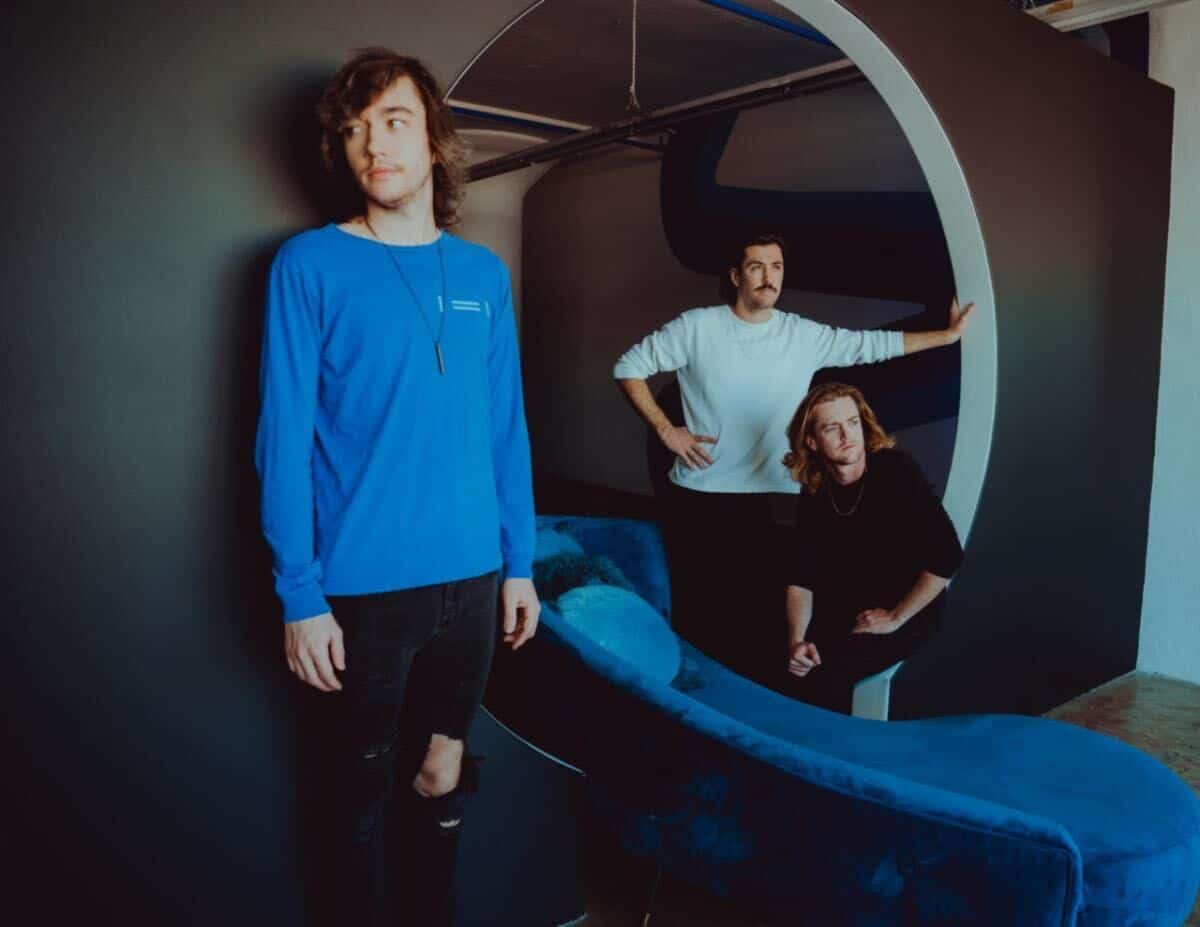
Fencer is a three-piece rock band from California. The band consists of vocalist and guitarist Field Cate, bassist Scott Sauve, and drummer Cameron Sauve. You may recognize Field as Young Ned from the TV series Pushing Daisies or even as the voice of Buddha from the infamous Air Bud films. Since then, he’s moved away from his childhood acting career and focused entirely on music
Fencer have been playing together since 2017, and their debut self-titled album was released in February. The record was mixed by Henry Lunetta (5 Seconds Of Summer, State Champs, Grayscale) and mastered by Zach Fisher (Weezer, Rancid, Bad Religion).
Only two years after their inception, they became fan-favourite openers for notable acts such as Badflower, The Wrecks, and Dead Poet Society. Tackling the stigma surrounding mental health and its struggles, Field’s emotive and frenetic vulnerability resonates with listeners to further solidify the band’s electric presence. But they still manage to inject a sense of fun into what the band does.
The band spent the last couple of years reinventing their sound and experimenting with various songwriting genres, despite the pandemic delaying live performances. “Fishfriend,” their triumphant comeback to original music, was played on KROQ‘s Locals Only nearly immediately. The band’s songs, “Buena” (a version of a Morphine song) and “Sleepcount,” are more in line with their newly discovered sound. The group stands out from the competition thanks to its lively dynamic, which is made up of Field’s unpredictable yet melodious vocals, Scott’s powerful, sonorous bass lines, and Cameron’s hard-hitting percussion.
I recently had the opportunity to chat with Cameron, the band’s drummer and producer. We talked about the band’s history, sound, and plans for the future. We also chat about Life Rolls On, a charity putting on epic surf and skate events for people living with disabilities.
How did Fencer get started?
Field and I met in high school, and we started playing music together. We were both into the same kind of music and we just kind of clicked. We started writing songs together, and then we found a bass player, and that’s how Fencer was born.
What was the aim for the band when you first started out?
We didn’t really have an aim when we first started out. We were just kind of having fun and writing songs. We didn’t really think about anything else.
Did you have a sound in mind that you were trying to achieve?
Not really. We just kind of let the music take us where it wanted to go. We didn’t really try to force anything.
Was there ever a conversation about just keeping it just the two of you?
We have done a few shows where it’s only the two of us actually, which is funny. There were a few conversations doing just the two of us. We kind of liked the marketability of a three-piece a little bit more. We did do the two-piece for a little while, but we just kind of liked the three-piece a little more.
So at what point do you feel like you found your sound?
I can’t even put a date on it. I feel like our sound is constantly evolving, and I feel like we kind of honed it in over the pandemic. I feel like it was kind of a blessing and a curse because everyone was inside, so we had a ton of time.
To kind of sit in with all three of us, hone in our sound, do our recordings, and you know, do that evolving that we did. But at the same time, it sucked because we couldn’t play live. So I guess somewhere around like 20, 21, 22, that’s kind of where we were like, okay, the songs that we’re writing are starting to make sense, and they’re starting to kind of come together.
So speaking of sound, I’ve heard this term “garage opera” being thrown around. Tell me about that, and where did that first come from?
I think that came from Field. It’s like, because I, at least in my understanding of it, we’re a very garagey band. I grew up; I wanted to set up our practice space in our garage that we have here. And it’s super raw and just aggressive. That’s kind of where the garage part comes in, where it’s DIY, raw, et cetera. And the opera part kind of comes in: I feel like that goes in with Field’s vocals. He’s a very; I wanna say operatic, vocalist, you know, he sings in that technique. And also, I feel like in opera there’s a ton of like, what’s the word? Not chaotic moments, but like a lot of build-up and then a lot of tension release. And I feel like you could hear that really well in our songs.
So it’s so funny because that’s a term that we haven’t seen, or at least I haven’t seen in my experience, and it’s pretty funny to have people come up to us and be like, sounds like garage opera. And we’re like; we have never heard that.
What are your plans for the future?
We’re just kind of taking it one day at a time. We’re working on new music, and we’re hoping to tour soon. We’re just excited to see where things go.
Cameron went on to talk about the band’s influences, which include Royal Blood, Highly Suspect, and The Black Keys. He also talked about the band’s songwriting process, which is often collaborative.
“We usually start with a riff or a melody, and then we build the song from there,” Cameron said. “We’re always trying to experiment and find new sounds, so the songwriting process is always evolving.”
Watch the full interview below:
The self-titled debut album is out now via Blood Blast Distribution.


