
The Manchester metal institution proved age has only made it louder, stranger, and more essential
There are easier ways to spend a November weekend than standing in a converted warehouse with thousands of people who consider hearing damage an acceptable life choice. But Damnation Festival has never trafficked in comfort, and after two decades, that remains entirely the point.
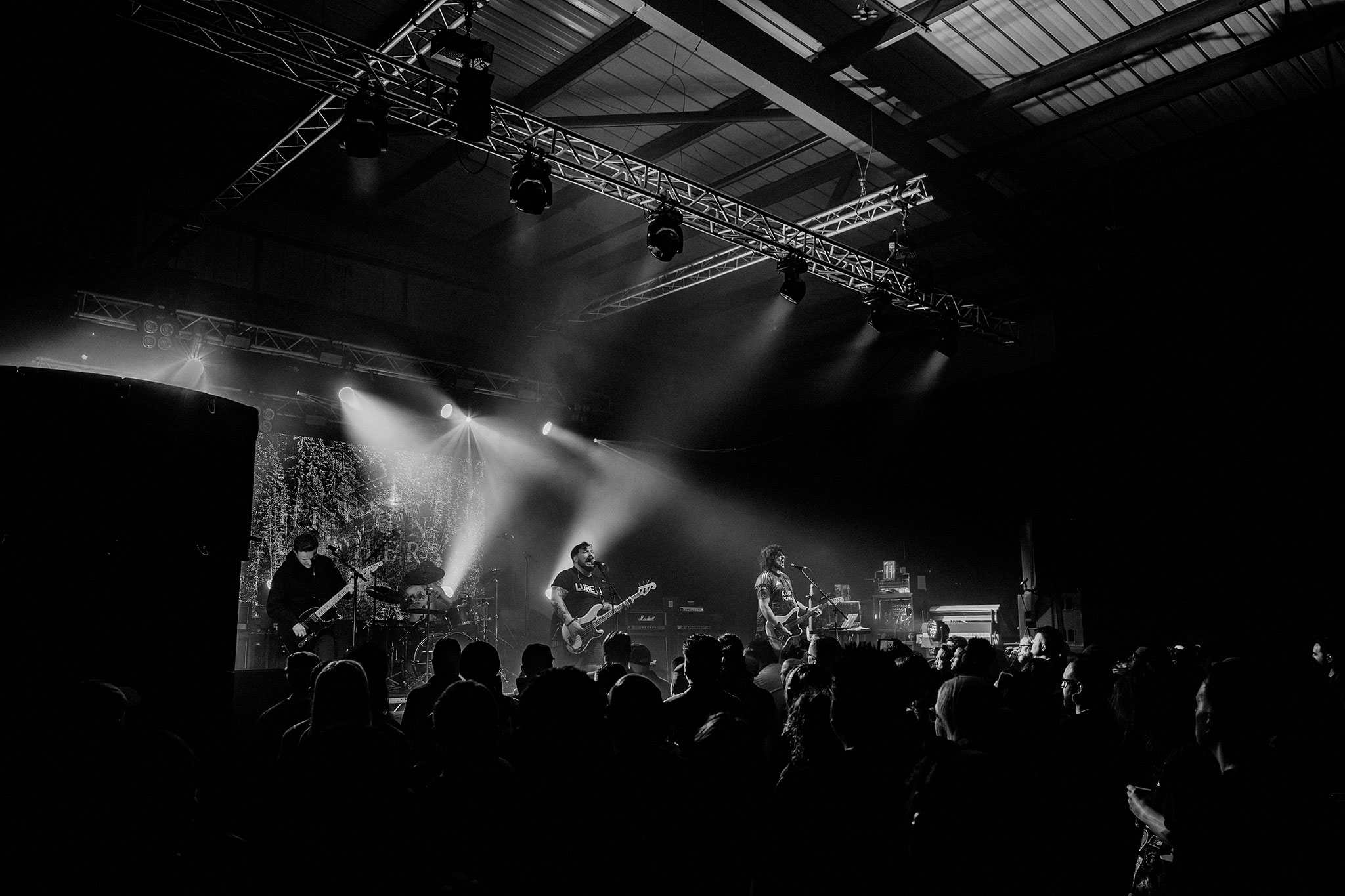
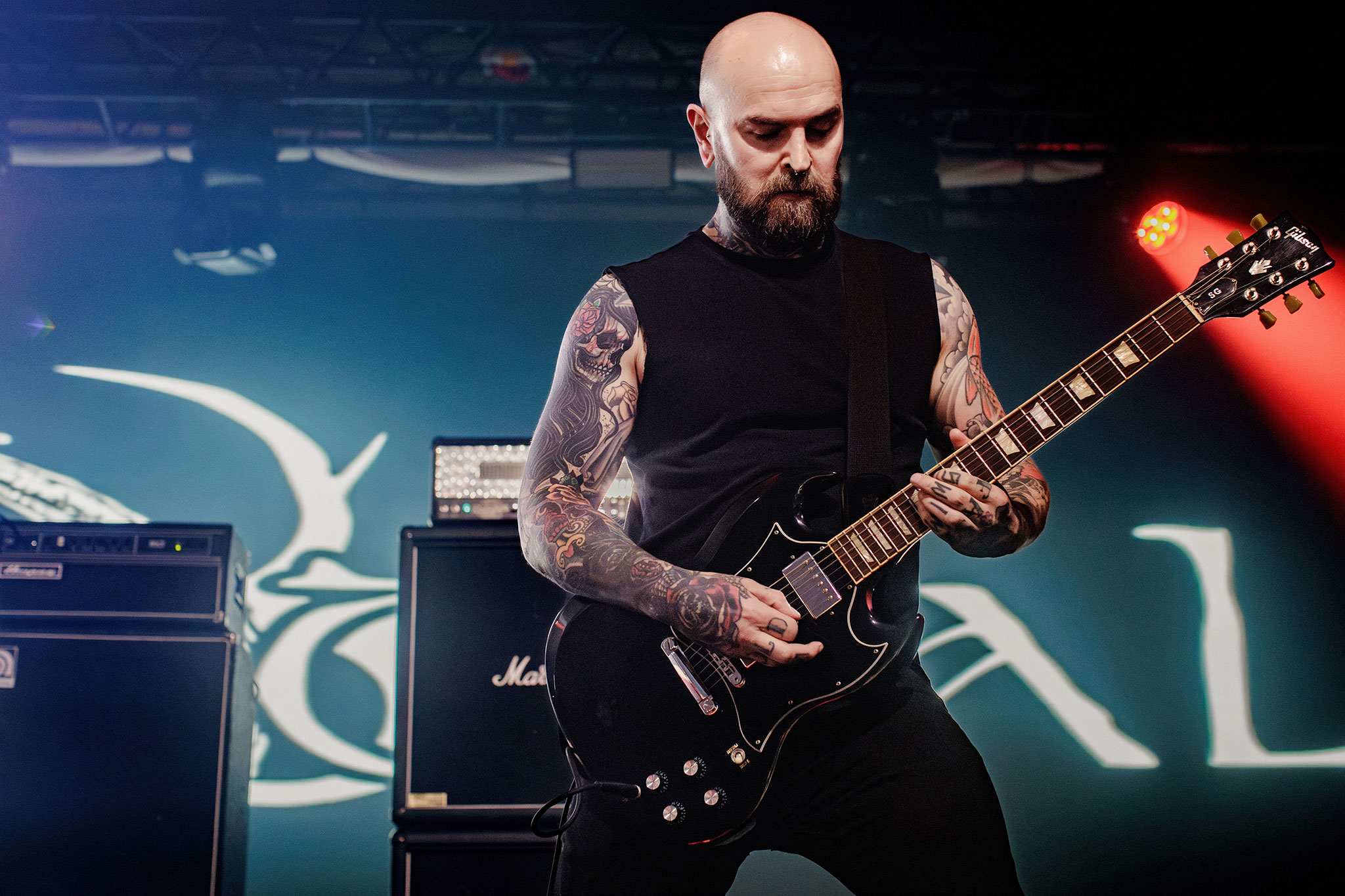
The festival’s twentieth anniversary brought it back to Bowlers Exhibition Centre for a full two-day celebration, and if you’re keeping score at home, that’s three stages, roughly forty bands, and an attendee count that suggests Manchester’s tinnitus clinics will be busy come Monday. Having attended a few times now, including the 2022 edition, it feels like a family reunion where the relatives scream for a living. This year’s gathering was no different, except the family got bigger, louder, and more international. And thankfully, there was plenty of time to catch up with old friends between the sonic assaults.

The lineup stretched from blackened thrash to synthwave, from grindcore to post-rock, sometimes within the same hour. It was exhausting, overwhelming, and frequently magnificent.
Saturday opened with the kind of lineup scheduling that separates casual fans from true believers. Oryx delivered doom so abrasive at noon that it should have come with a medical waiver, their tar-soaked riffs setting a tone that whispered, “buckle up or get out.” Across the venue, Overhead, The Albatross offered instrumental post-rock that bloomed slowly, all delay pedals and patient crescendos. The contrast felt deliberate, a reminder that Damnation has always understood its own contradictions.

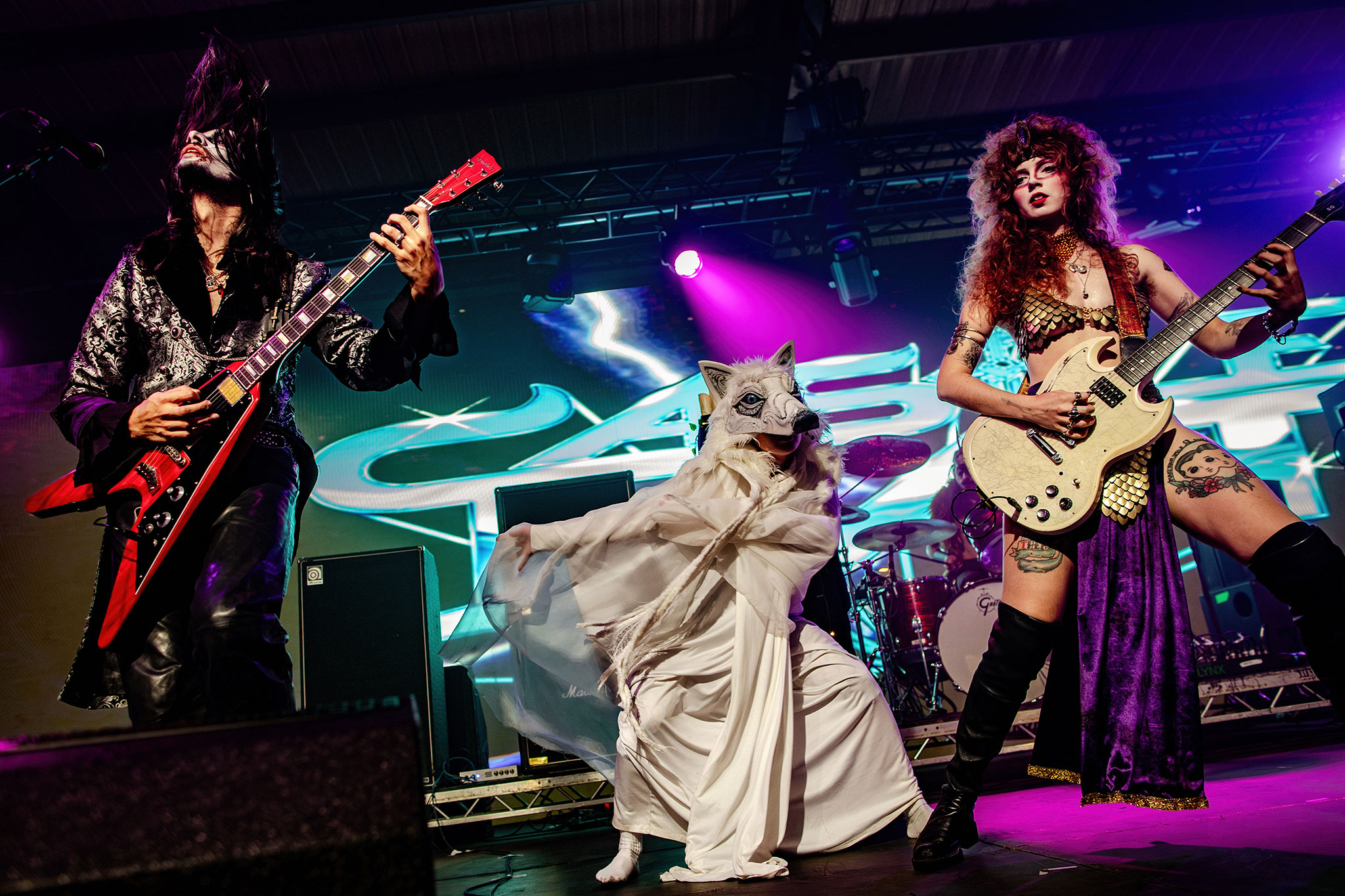
Devastator ripped through blackened thrash with the subtlety of a caffeine overdose, while Castle Rat pulled an impressively large early crowd with their proto-metal theatricality. Their aesthetic lands somewhere between occult rock and a haunted Renaissance fair, which sounds ridiculous on paper but worked beautifully in practice. The swagger was genuine, the theatricality never feeling forced, and they emerged as a strangely fun early-day standout.
Necrot followed with blunt-force death metal that triggered the day’s first proper mosh pit. They don’t do mood lighting or subtle build-ups, they just swing. Bodies moved with the kind of joyful violence that makes perfect sense in context and absolutely none outside it, the first real pit of the day breaking out with predictable enthusiasm.

Meryl Streek brought political venom and rage over thudding beats, spoken-word sections testing some people’s patience even as the intensity proved impossible to ignore. The set was angry, cathartic, and abrasive in equal measure. Not everyone connected with the approach, but the conviction was undeniable.
Messa stopped traffic entirely. People walking between stages froze mid-stride as Sara Bianchin’s vocals soared through the Pins & Knuckles hall, the band’s smoky doom casting a spell that felt almost unfair to whoever had to follow them. The set drenched the room in spellbinding atmosphere, hypnotic and completely arresting. Even the most jaded festivalgoers paused to watch.
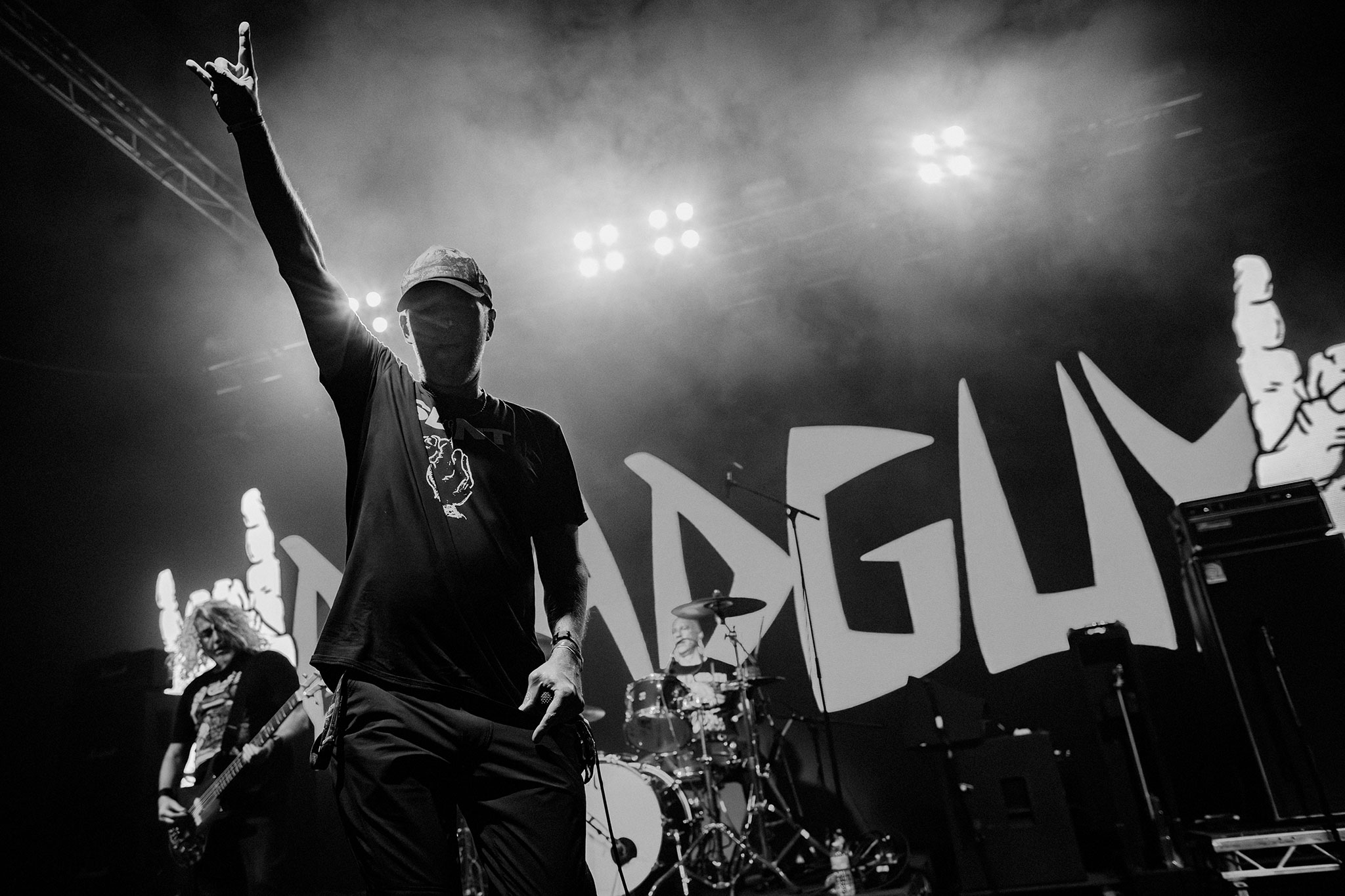
Deadguy answered with chaotic 90s hardcore, playing their set like they were still angry about everything that decade brought. The jagged intensity was absolutely loved by the hardcore contingent, the venue’s older crowd greeting them like war heroes returning home. They proved that some sounds age beautifully through sheer force of will.

Then came Dimscúa, easily one of the weekend’s personal highlights and a late addition to the bill. Their doom-bathed post-hardcore unfurled with the patience of a storm gathering strength, each section building until the air pressure seemed to shift. They didn’t rush a single moment, didn’t waste a gesture, the slow-burn approach proving completely gripping. Missing most of Portrayal of Guilt for them felt like the right trade, even if those fragments caught suggested their nihilistic violence remained as suffocating as ever. Sometimes festival scheduling forces impossible choices, and Dimscúa’s gravitational pull won decisively.


Orbit Culture drew a substantial mid-afternoon crowd with melodic death metal that hit like a particularly aggressive gym playlist. Their melodeath-meets-modern-groove approach landed with precision and punch, the crowd responding enthusiastically to every breakdown. The set was muscular and confident, hitting all the right notes for the growing audience.
Brodequin countered with a half-hour of hyper-blasted barbarity so relentless it felt hydraulic. Their brand of death metal is so crushingly intense it defies easy description, pure mechanical violence rendered in musical form. The devoted looked ecstatic, everyone else looked like they’d been shoved down a flight of stairs.
Afsky shifted gears into bleak black metal melancholy, tremolo lines drifting like cold wind through the room. Their harsh beauty never lost its emotional core, offering something surprisingly moving amidst the day’s brutality. The set proved extreme music can do more than simply pummel, it can genuinely affect you.
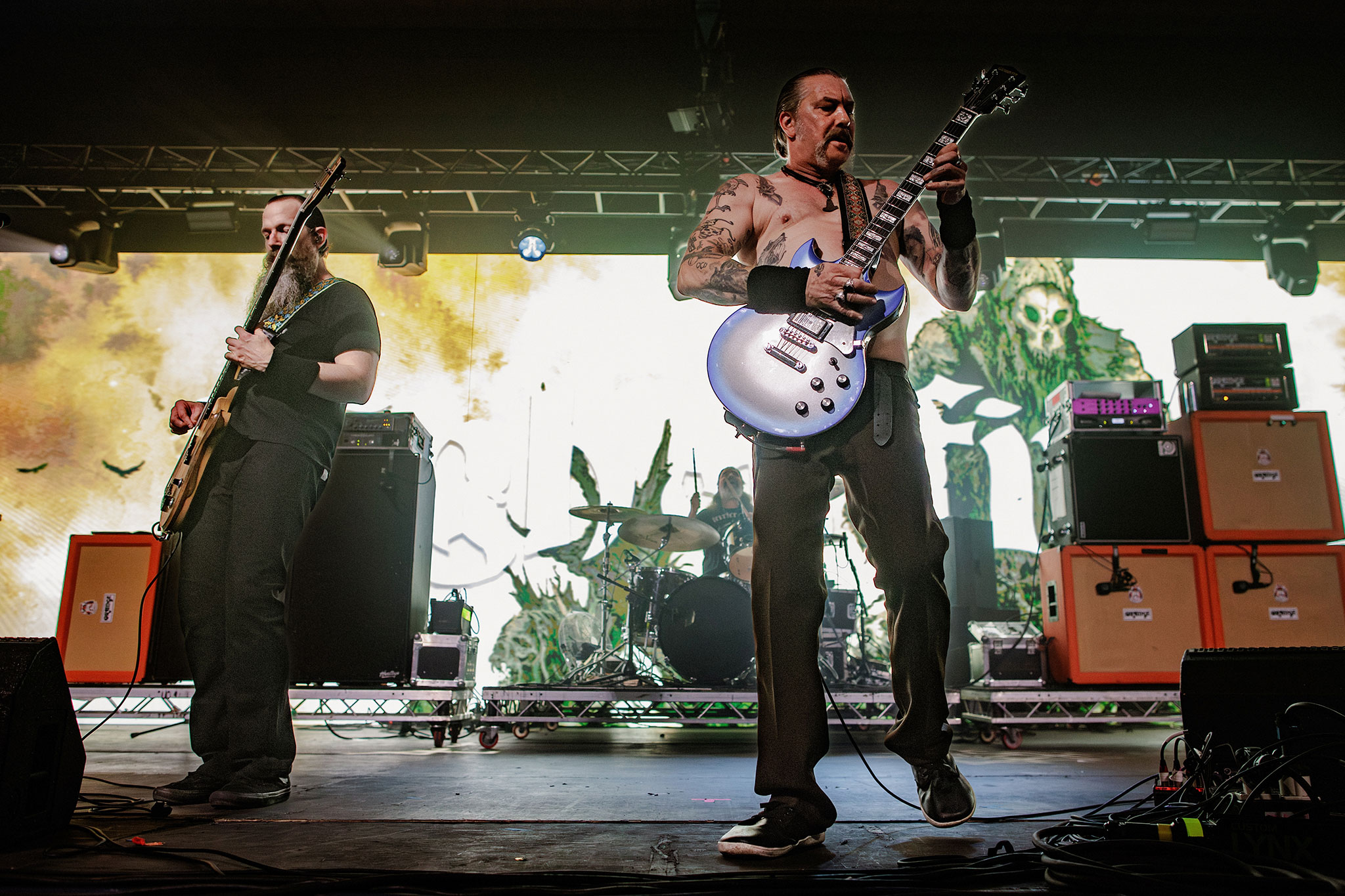
High on Fire stomped through their slot with trademark grit, Matt Pike roaring and riffing with the confidence of someone who has long since stopped explaining himself to anyone. They delivered exactly what was expected, no more and no less, which was precisely what people wanted. The veteran swagger was earned and undeniable.
Panzerfaust brought atmospheric menace from Canada, their ritualistic black metal approach connecting well with the Holy Goat crowd. Armed with atmosphere and darkness, they offered a more cerebral take on extremity. The performance felt like a ritual unfolding rather than mere entertainment..

Gost provided a stylistic curveball with synth-driven darkness, part horror-themed nightclub, part extreme metal adjacent. People danced, people moshed, some did both simultaneously in ways that defied physics. The set was fun and energetic, even if it didn’t fully land for everyone present.
Deafheaven delivered one of the festival’s most anticipated performances, and as one of my absolute favourite bands, they didn’t waste it. George Clarke stalked the stage with theatrical precision, conducting blasts of shimmering chaos that felt both furious and strangely uplifting. Tracks from Sunbather still land like emotional gut-punches after all these years, while newer material carried a maturity that suggested a band fully comfortable in their own skin. They never disappoint, and this set reinforced exactly why they remain one of modern metal’s most compelling acts.

EF brought lush post-rock warmth as counterbalance to the surrounding brutality, their crescendos enormous and deserving of the crowd’s full attention. The Swedish band’s ability to create genuine beauty amidst such heaviness felt like a gift. Their set provided necessary breathing room without losing the crowd’s engagement.
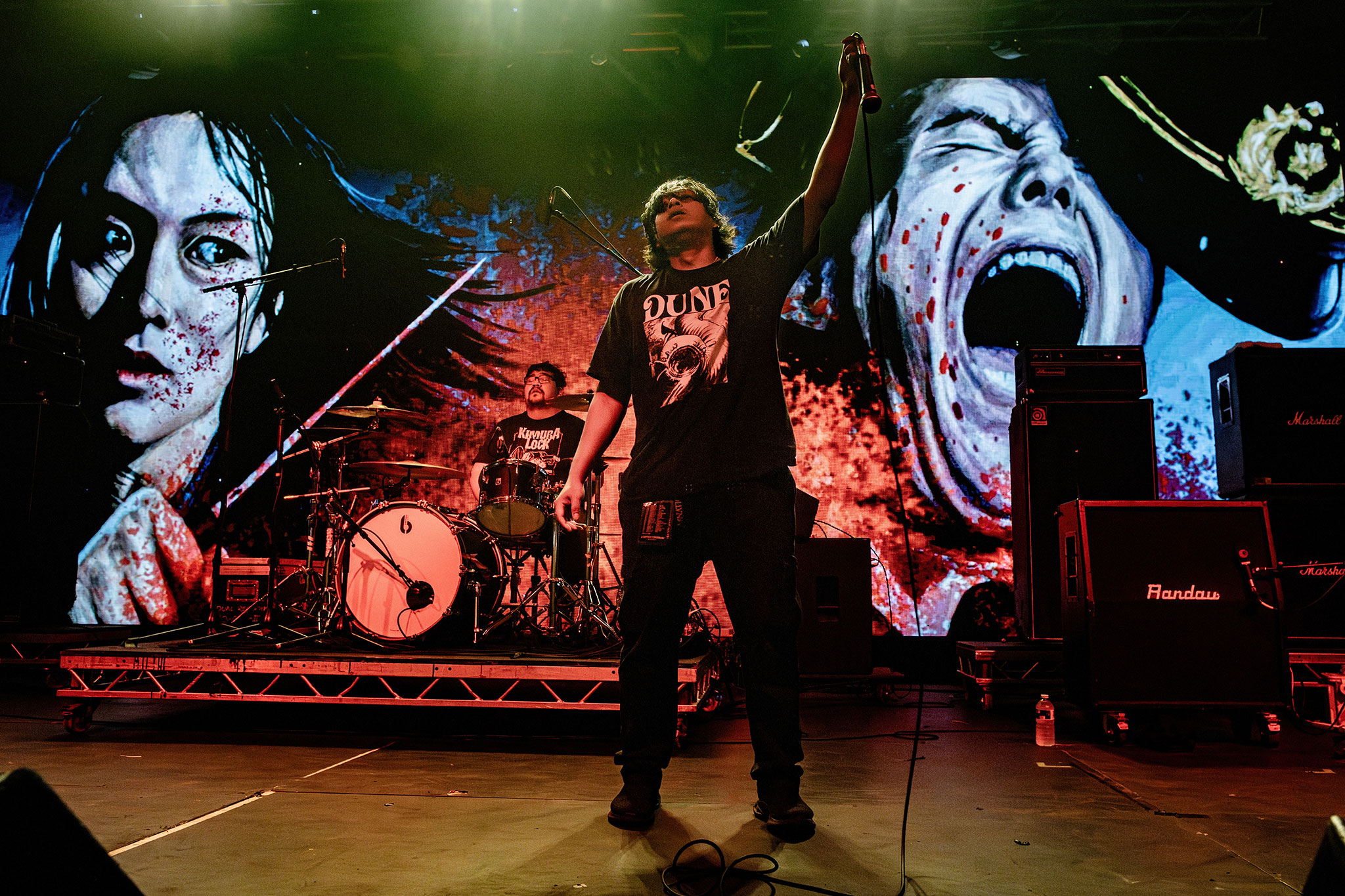
Wormrot might have stolen the day, though. The Singaporean grindcore trio turned the Holy Goat stage into a riot, Fitri’s drumming bordering on physically impossible while Arif Rot transformed the room into controlled chaos. Every song felt like a controlled detonation. It was feral, joyful, and absolutely perfect. Easily one of the finest performances of the entire weekend.
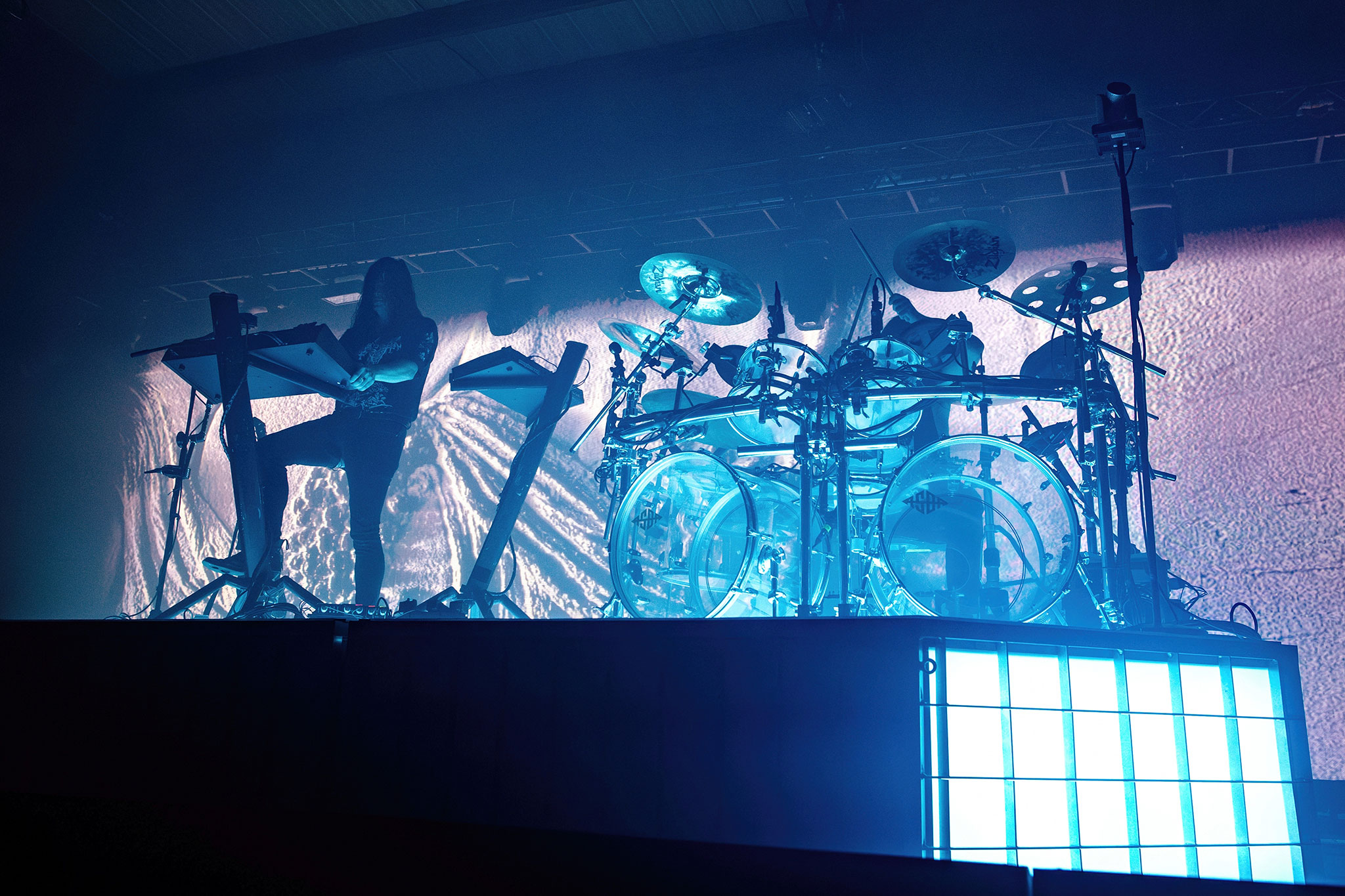
Perturbator drew significant adoration from much of the audience, but the glowing synthwave apocalypse landed surprisingly flat for me. The visuals impressed, the sound was massive, but despite a general affinity for electronic music, the whole thing felt strangely inert. Personal taste remains fickle.

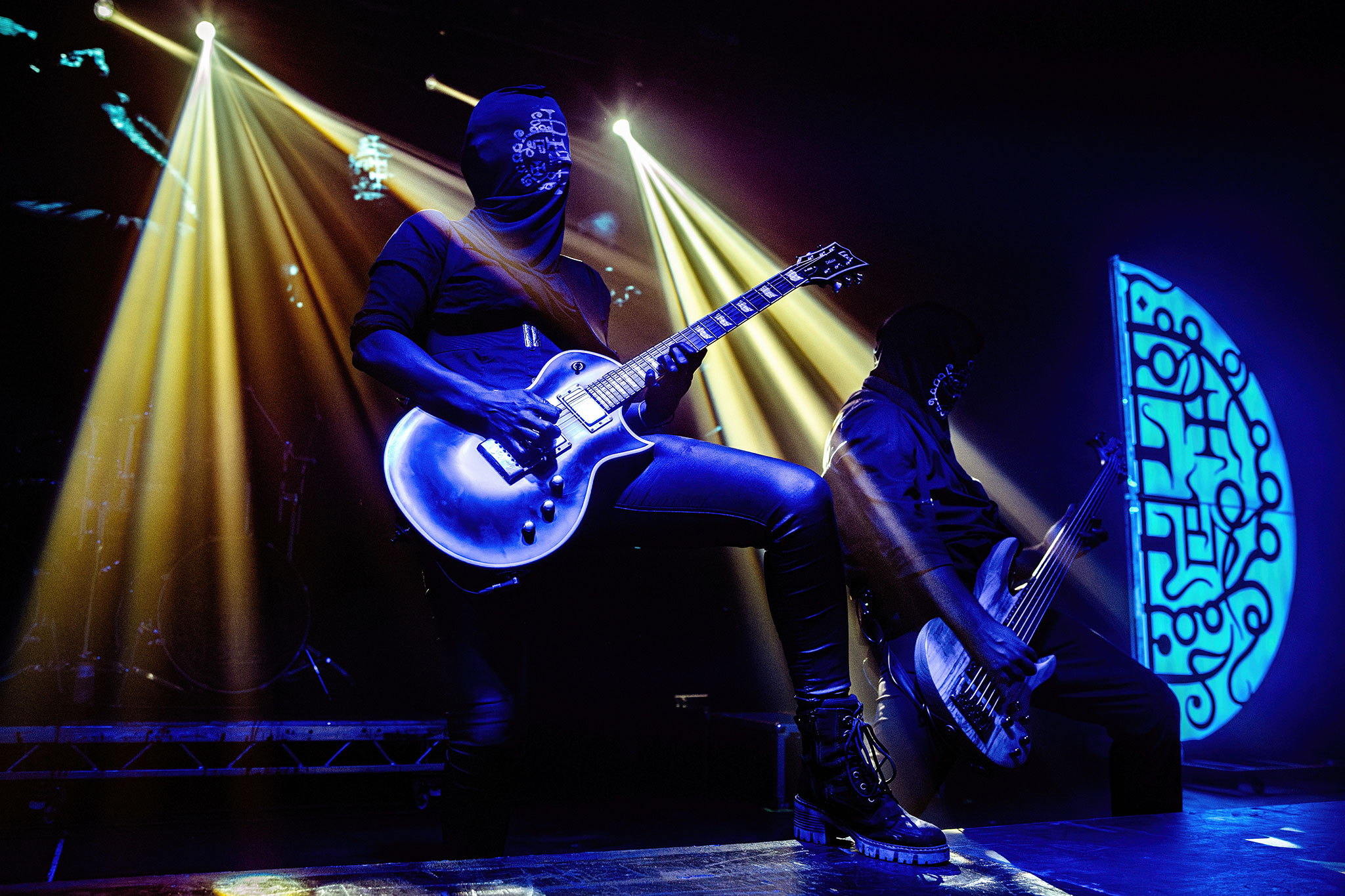
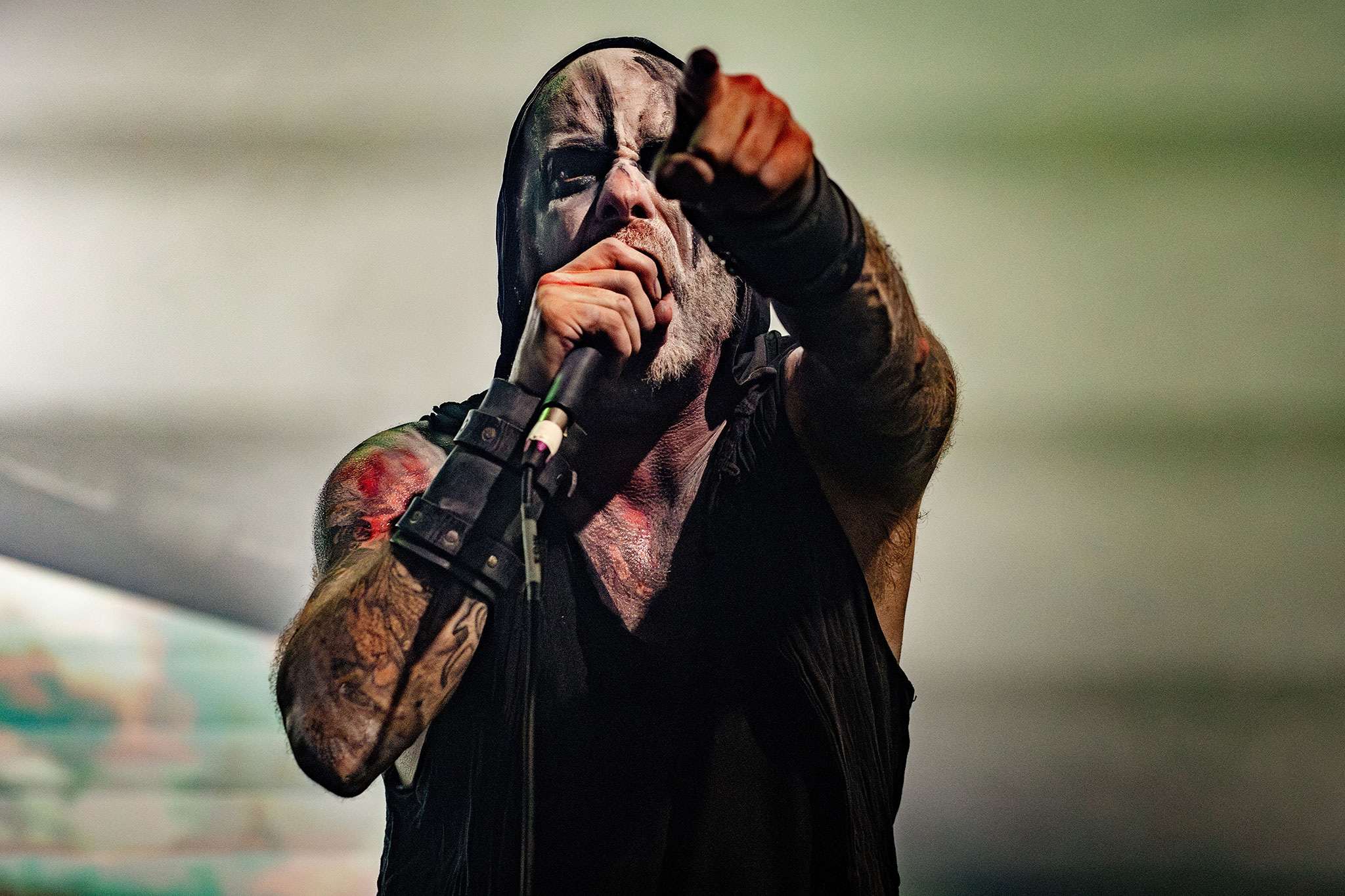
Gaerea followed with a completely different strain of intensity, trading grind’s explosive chaos for something far more ritualistic. Cloaked and anonymous, they moved with the kind of precision that suggests they rehearse in an underground monastery lit only by candles and the occasional burning sceptic. Their set unfolded like a slow tightening of a vice, all swirling black metal and suffocating atmosphere. The way they control dynamics, allowing brief glimmers of melody to surface before burying them under blastbeats, gives their music a strange, addictive tension. The crowd reaction was huge, helped by the late-night slot where exhaustion and delirium start blending together into something close to transcendence. A genuinely gripping performance and a perfect counterpoint to the unhinged madness that preceded it.

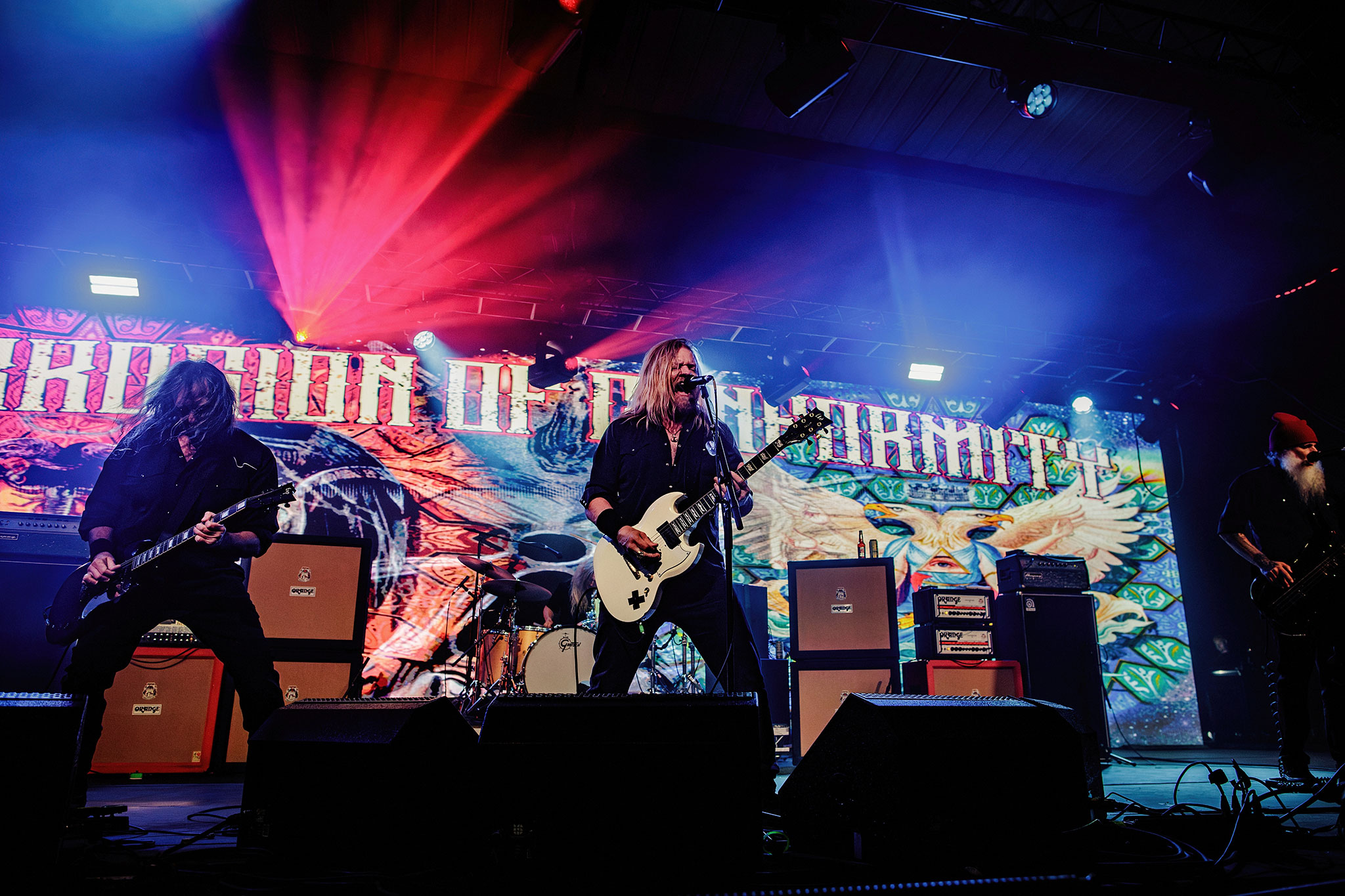
The World Is A Beautiful Place closed the Eyesore stage with emotional, sweeping post-emo catharsis. Their set was warm, melodic, and beautifully sincere, offering genuine heart alongside technical skill. The contrast with everything surrounding them only heightened the impact. And then Saturday’s headliners, Corrosion of Conformity wrapped the night on the main stage with Southern metal swagger, confident grooves sending an exhausted crowd home buzzing. It was a solid, crowd-pleasing conclusion to a day that had tested everyone’s stamina. The veteran presence provided a perfect full stop.


Sunday opened with Ted Maul returning with chaotic experimental heaviness that zigzagged across genres like it was dodging sniper fire. Wild, weird, and undeniably entertaining, they kept the crowd off-balance in the best possible way. The unpredictability was the point, and they committed fully to the chaos.
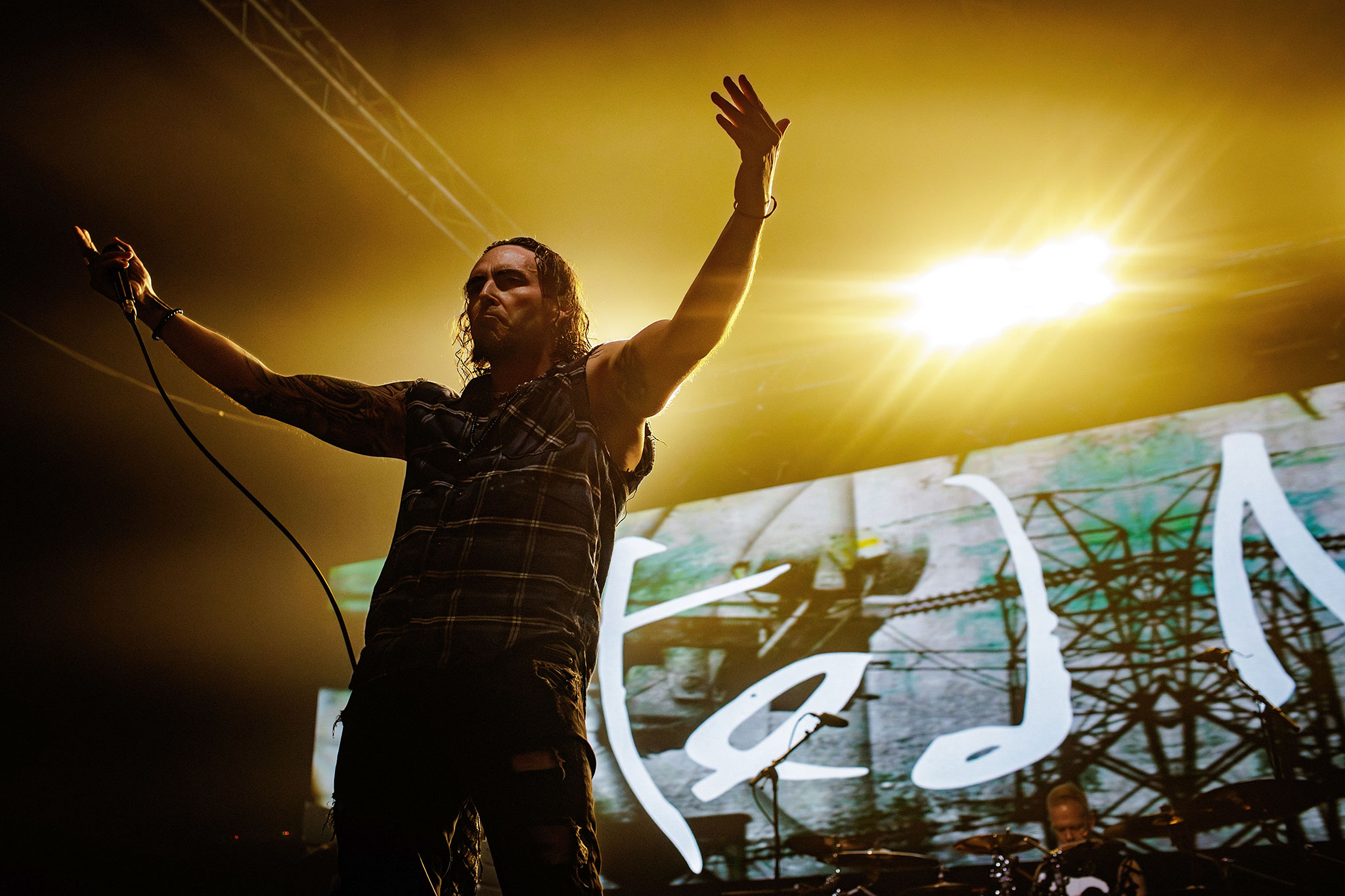
Then Hidden Mothers‘ atmospheric blackened post-hardcore, proving a surprisingly emotional wake-up call for the early risers. Their blend of harshness and melody got people fully awake and engaged. The early slot didn’t diminish their impact in the slightest.
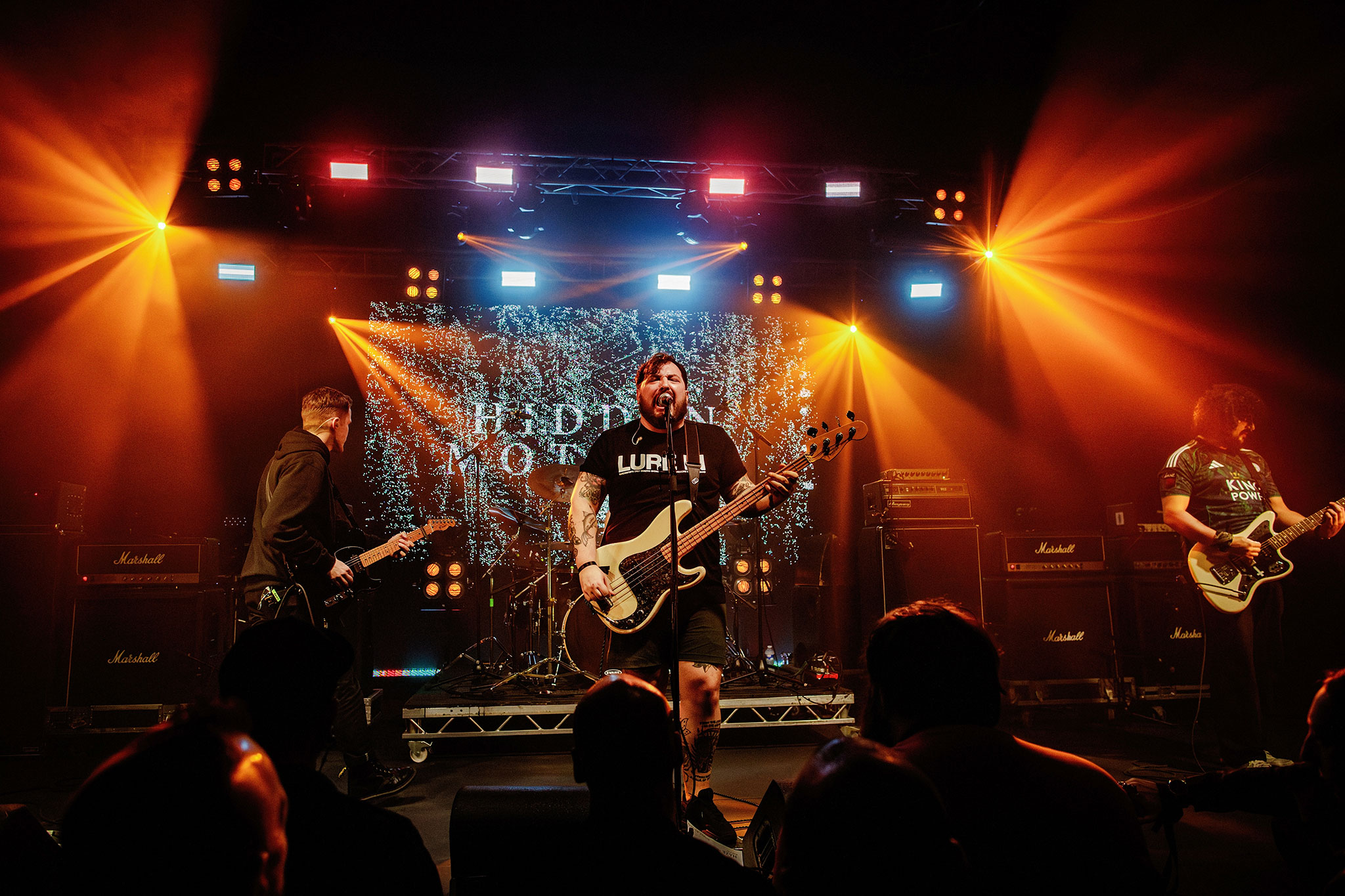
Conjurer pulled a massive early crowd and absolutely justified it. Watching friends command the main stage so early in the day brought a particular kind of pride, and they’ve never sounded more confident or dynamic. Their use of the video wall was genuinely outstanding, organic visuals pulsing and mutating behind them, almost breathing in time with the music. It elevated an already massive-sounding set into something genuinely special, a career-defining moment happening in real time.

Din of Celestial Birds offered gorgeous instrumental post-rock, lush crescendos and shimmering melodies providing a surprisingly peaceful mid-day break. Their soaring compositions felt enormous without overwhelming, beauty without pretension. The set reminded everyone that heaviness comes in many forms.
Back on the Cult Never Dies Stage, Code delivered a brooding, avant-leaning set that threaded black metal with gothic shadows and unsettling melody. They’re a band who live in the space between genres, and the performance reflected that, shifting moods with quiet confidence. It was an oddly perfect transitional moment between the morning’s fire and the afternoon’s aggression.
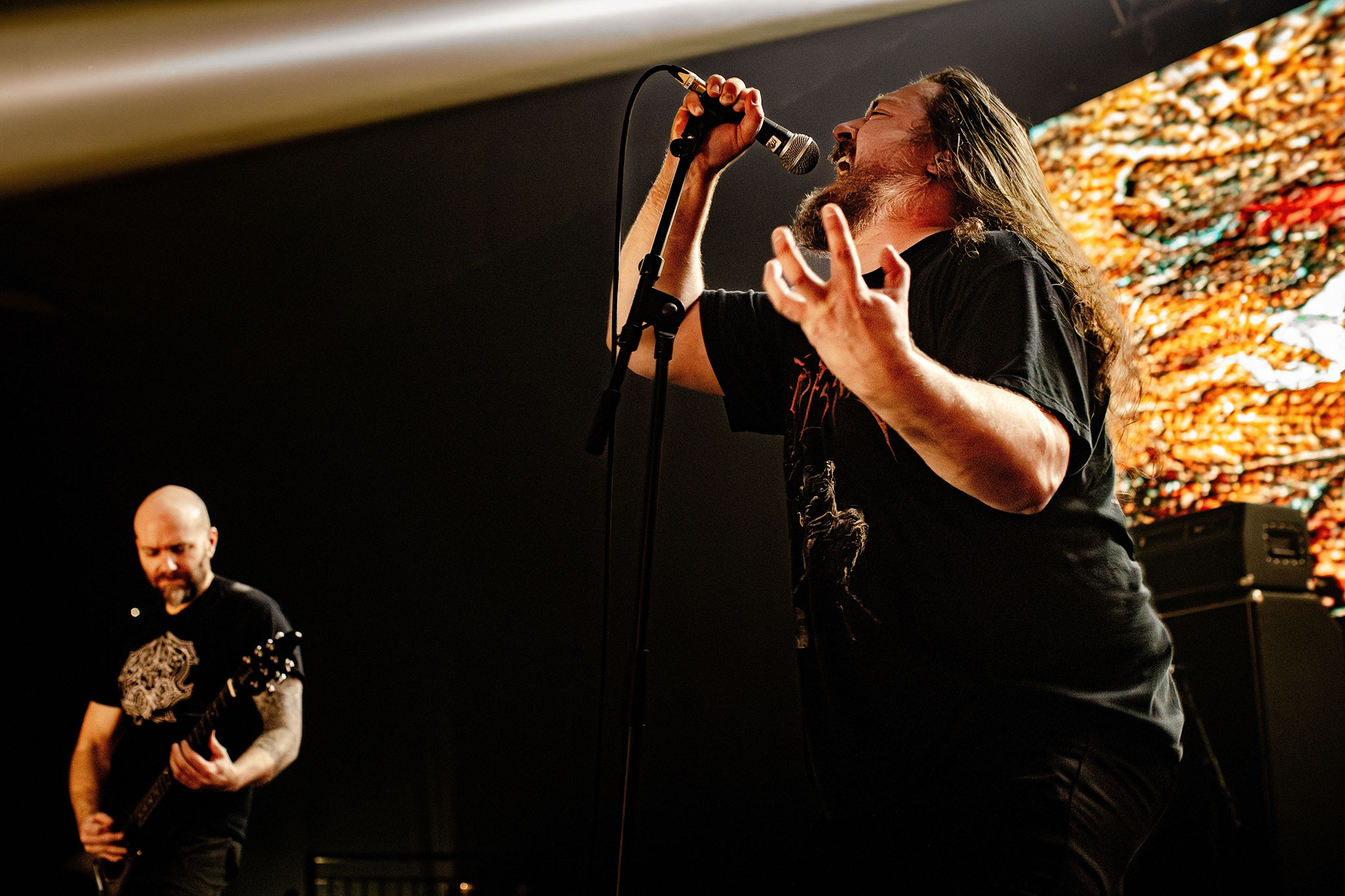

Onslaught brought old-school thrash fury performed with veteran swagger on the main stage. Tight, loud, and completely no-nonsense, they delivered exactly what thrash purists wanted. The performance was a masterclass in not overthinking things.
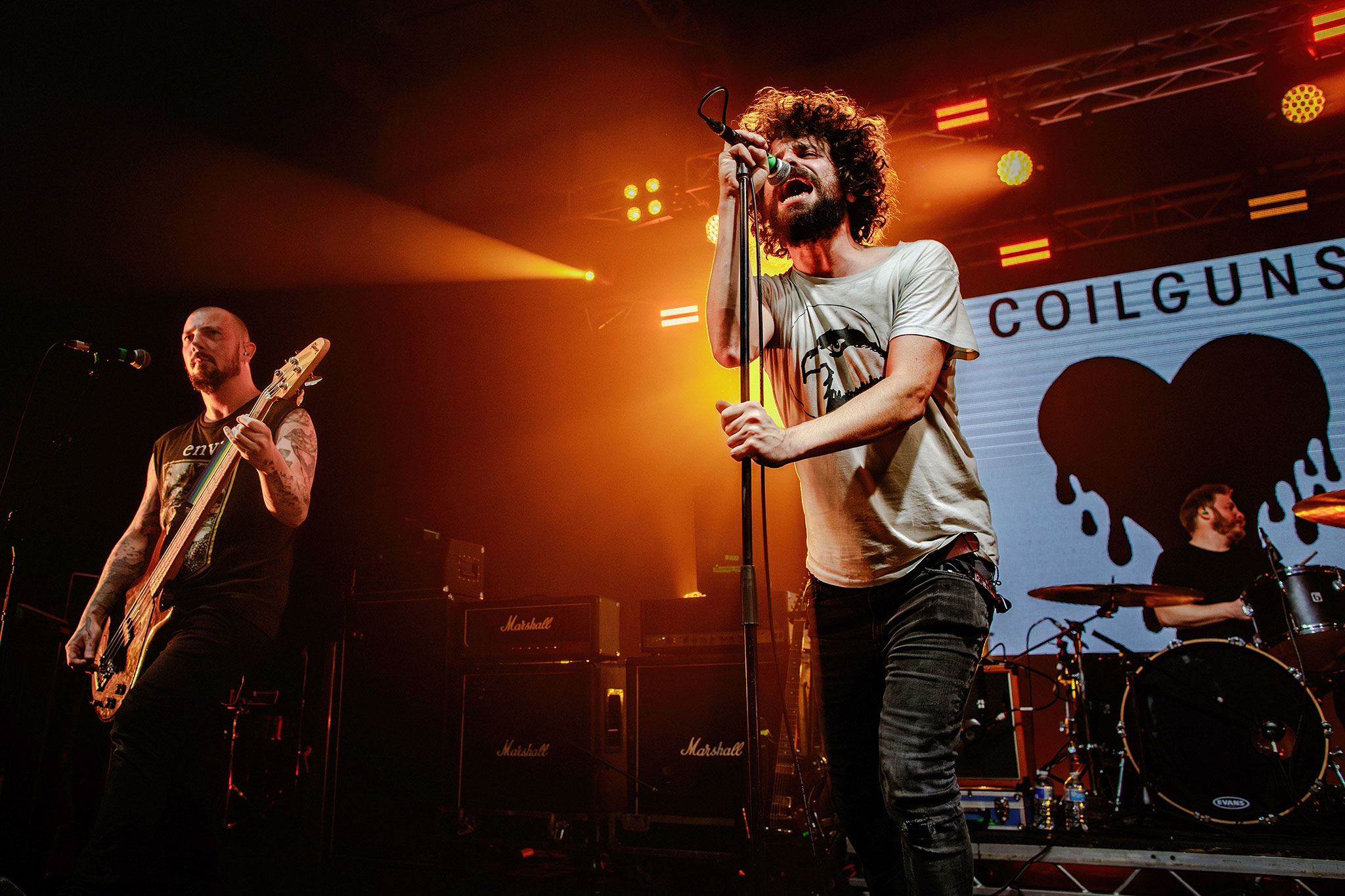
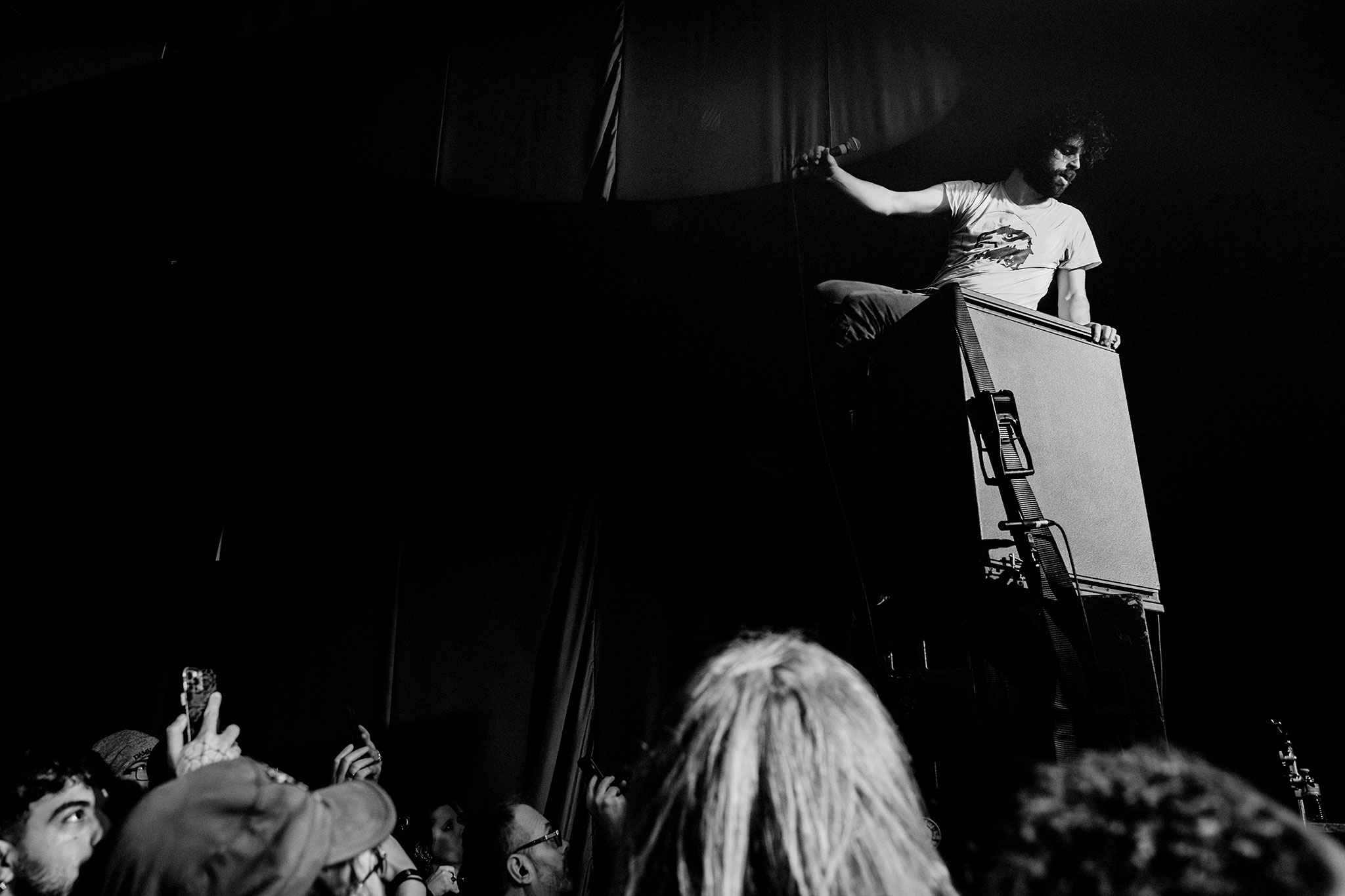
Coilguns emerged as an unexpected revelation and another clear weekend favourite. The Swiss band felt like discovering a secret, their blend of hardcore, noise-rock, and twitchy math chaos immediately recalling the visceral thrill of seeing Letlive for the first time, with a healthy dose of At The Drive-In turbulence thrown in. Louis Jucker was everywhere at once, scaling equipment and flinging himself around like gravity was optional. Completely unhinged but purposeful, the kind of performance that sends you scrambling to streaming services the moment you get home. Would absolutely see them again given half the chance.
Stampin’ Ground returned to the Cult Never Dies Stage with grizzled UK metalcore grit. Their set landed hard, driven by tight riffs and that old-school confidence only a seasoned band can pull off. The room filled quickly, and nostalgia mingled with fresh energy.

Psychonaut offered sprawling, textured heaviness that balanced crushing weight with genuine warmth, another standout in a weekend full of them. Their songs unfold with engineered precision, each movement flowing naturally into the next, the whole thing carrying a meditative quality that set them apart. The Belgian trio seemed entirely absorbed in creation, locked into their collective groove in ways that proved genuinely captivating. The performance felt carefully constructed yet emotionally immediate, a rare combination.

Primordial brought epic pagan grandeur to the main stage, A.A. Nemtheanga commanding attention with the presence of someone born to it. The Irish veterans delivered emotional intensity alongside musical prowess, every moment feeling earned. Their set resonated deeply with the assembled faithful.
Raging Speedhorn brought classic UK sludge-core demolition to the Cult Never Dies stage. Loud, sweaty, and rowdy, they were absolutely perfect for the slot and the crowd. The performance was pure energy, no frills, all impact.
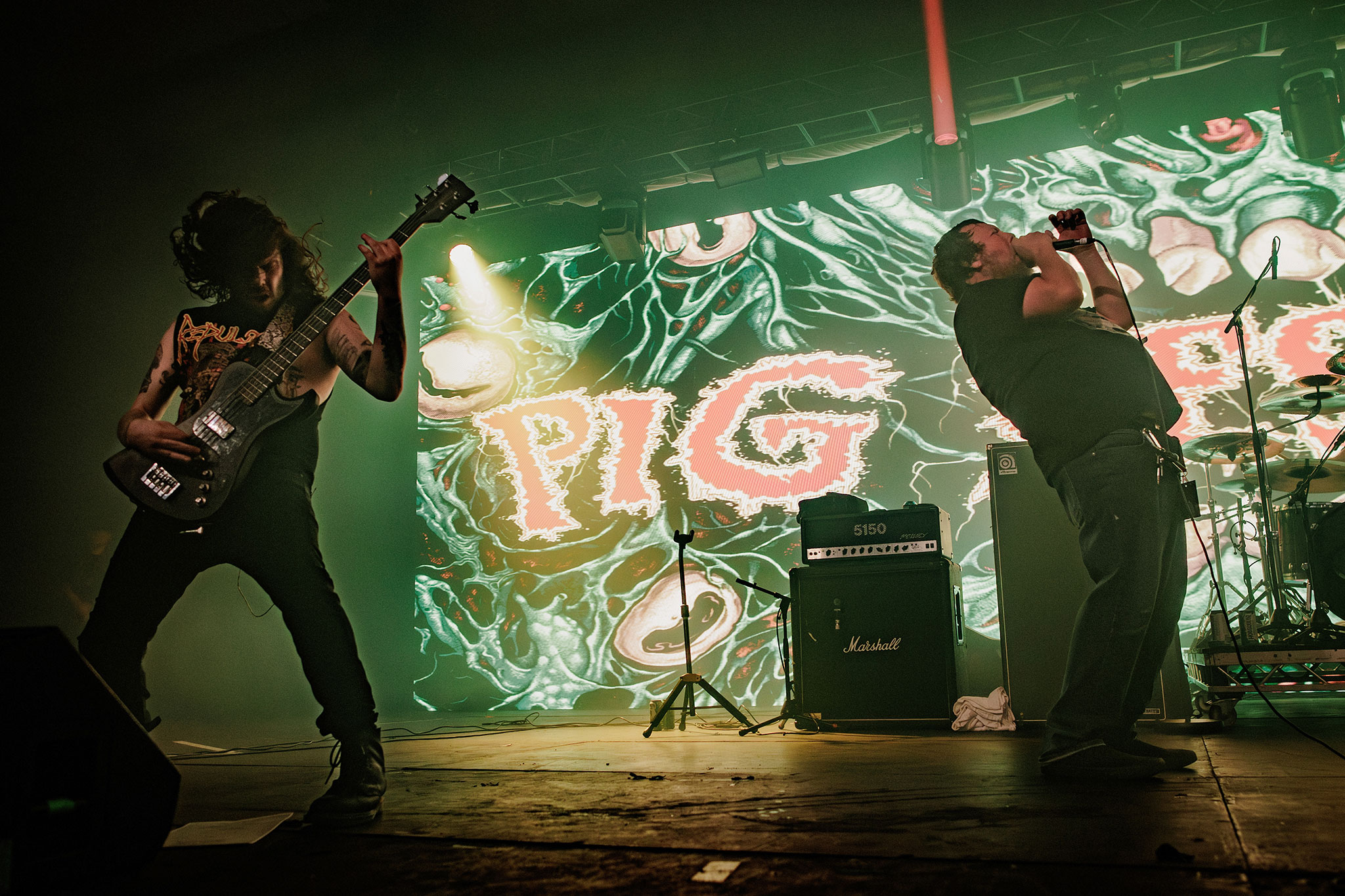
Pig Destroyer delivered surgical grindcore precision, Scott Hull’s riffs slicing through the air while JR Hayes paced and shrieked like a man possessed. The legendary duo proved that less can absolutely be more when executed with this level of skill. Every second counted, every note mattered.
Devil Sold His Soul soaked their set in emotional post-metal, crescendos bursting like tidal waves across the room. Clean and harsh vocals intertwined beautifully, demonstrating the full dynamic range the genre allows. The set built and released tension masterfully.
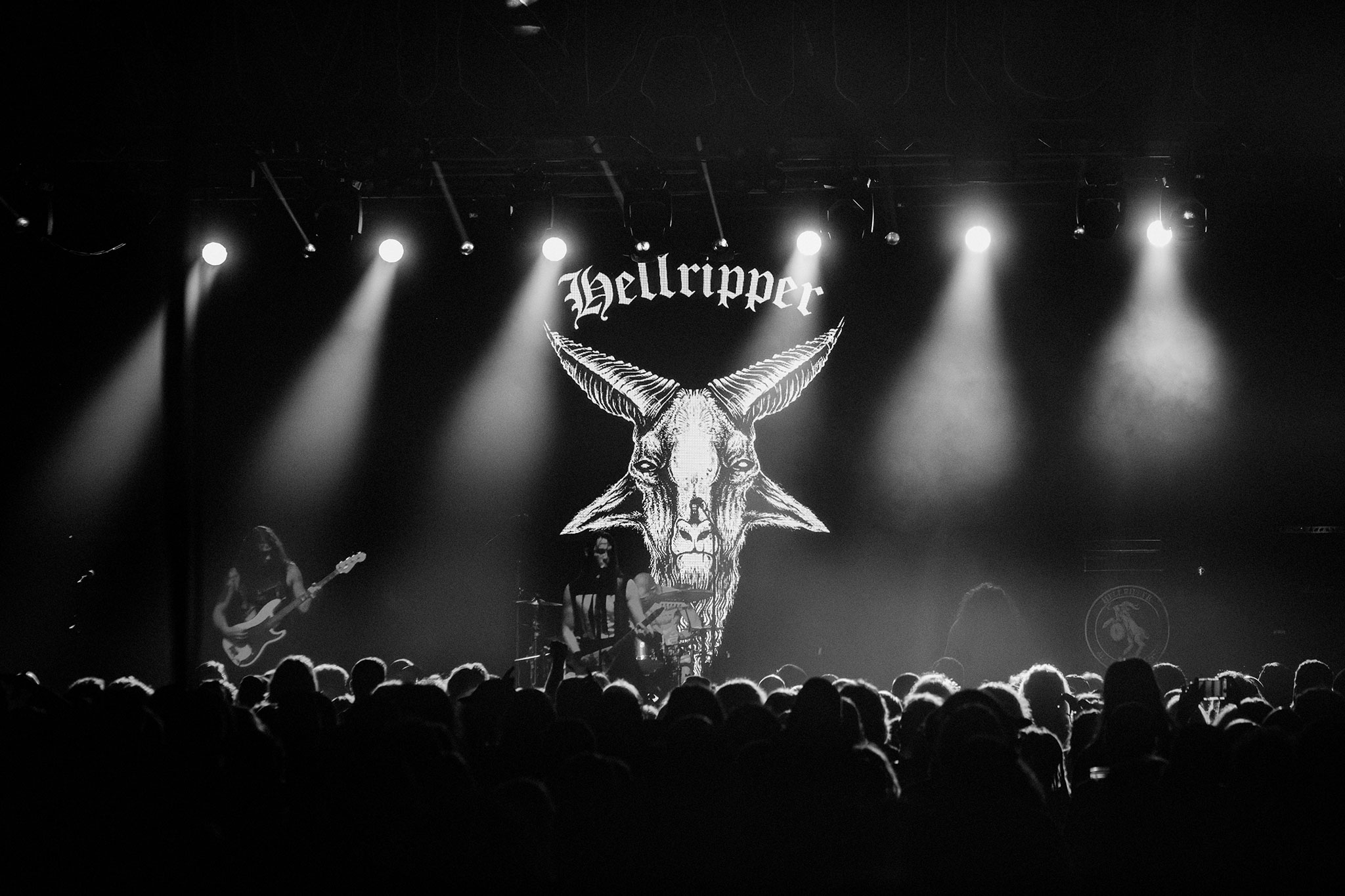
Hellripper unleashed speed-drenched blackened thrash, utterly relentless from first note to last. The Scottish one-man project proved devastating in the live setting, pure adrenaline rendered in musical form. The set was a blur of violence and hooks.
“Damnation’s house band,” Anaal Nathrakh, struck back with violent industrialized black metal chaos on the main stage. Utter bedlam from start to finish, they turned the room into a war zone of sound. The controlled chaos was exhilarating and exhausting in equal measure.


Nordic Giants shifted the mood completely with audiovisual post-rock performance art. Immersive films and atmospheric soundscapes provided a gorgeous breather before the next onslaught, beauty serving as palate cleanser. The production values were cinema-quality, the music matching visually stunning imagery perfectly.
Author & Punisher delivered Tristan Shone’s machine-driven industrial ritual, the custom-built instruments adding genuine theatre to the performance. Heavy, hypnotic, and mechanically expressive, it felt like witnessing a factory gaining sentience. The physicality of the performance was as impressive as the sound itself.
The Haunted followed with a muscular, riff-forward set that delighted the old-school melodeath faithful. The Swedish veterans brought professionalism and power, proving their legacy remains intact. Every riff landed with authority.

Mantar proved once again that two people can sound bigger than many entire festivals. Their stripped-down sludge punk attack filled the hall with searing intensity, minimalism turned into overwhelming force. The German duo remain one of heavy music’s most reliable live acts.
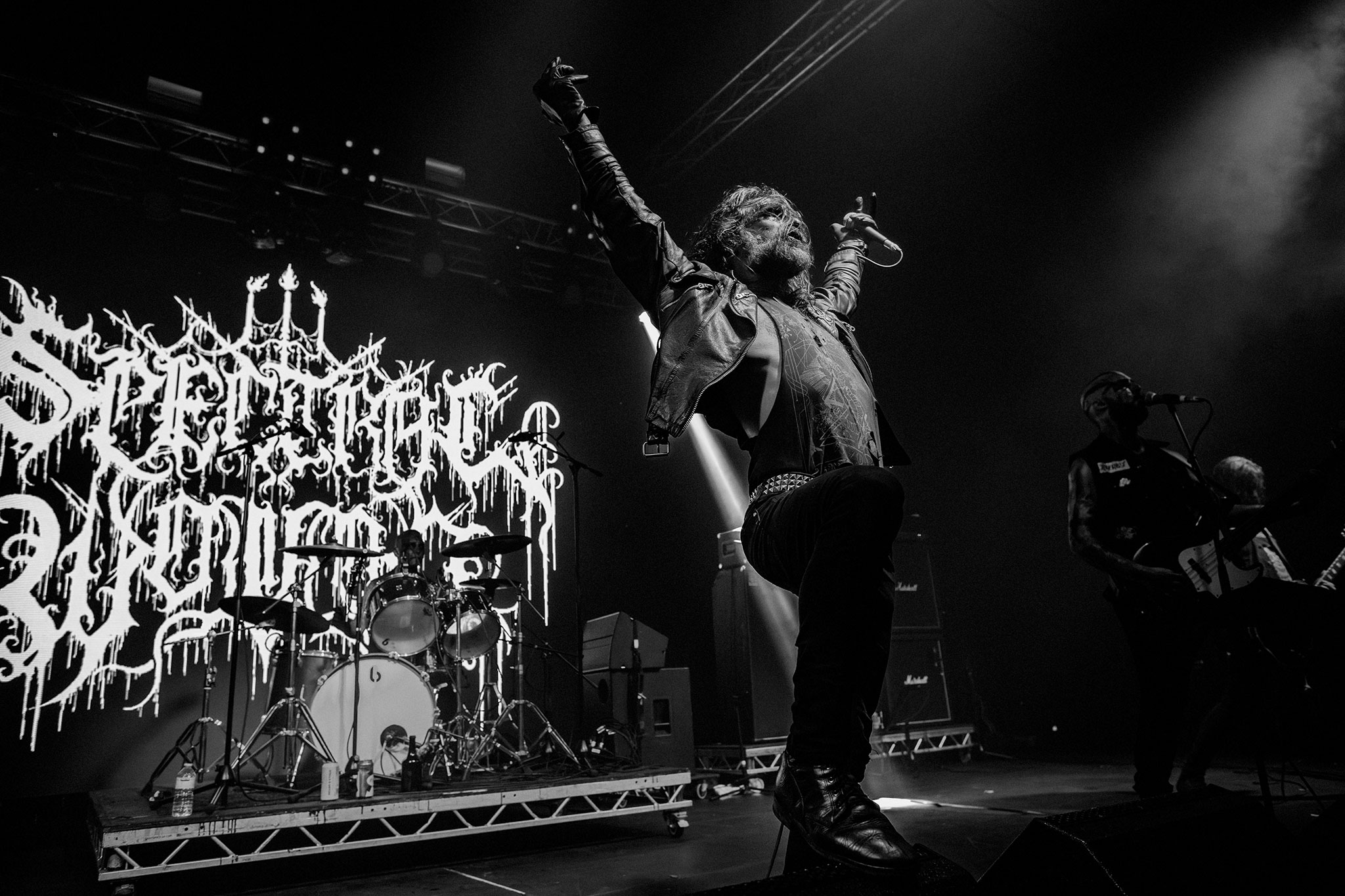
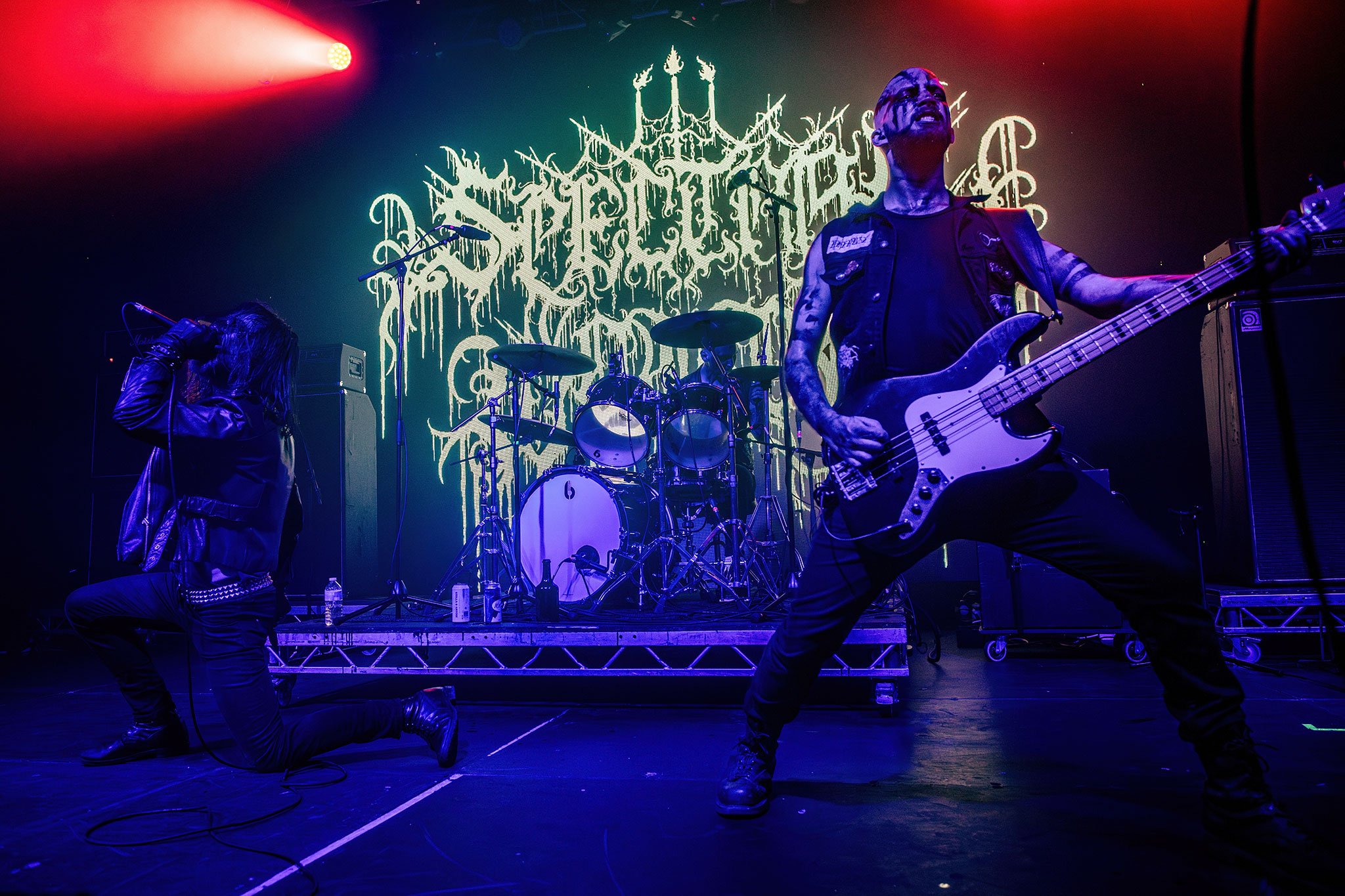
Spectral Wound represented Montreal with icy black metal elegance, and getting to say Bonjour to the band beforehand felt strangely surreal in Manchester. Their performance was regal, vicious, and triumphant, the crowd response massive and enthusiastic. Watching them receive such a huge reception felt quietly gratifying, a reminder that Canada’s extreme metal scene deserves far more attention than it typically receives. The set balanced intelligence and animalism beautifully.

But Amenra towered above everything else, the absolute peak of the entire weekend. Their set felt less like a concert and more like a ceremony, transcendent and crushing and strangely healing all at once. Colin Van Eeckhout delivered every scream like a ritual exorcism, hunched and anguished, while visuals deepened rather than distracted from the experience. People looked genuinely overwhelmed, and small wonder. The performance turned communal and cathartic, the kind of moment that reminds you why festivals matter in the first place. Incredible doesn’t quite cover it.


Meanwhile, Warning brought one of the weekend’s most emotional sets, their mournful doom resonating deeply with everyone present. Every chord felt like a confession, vulnerability and heaviness intertwined inseparably. The performance was genuinely moving, proof that doom can break your heart while crushing your bones.

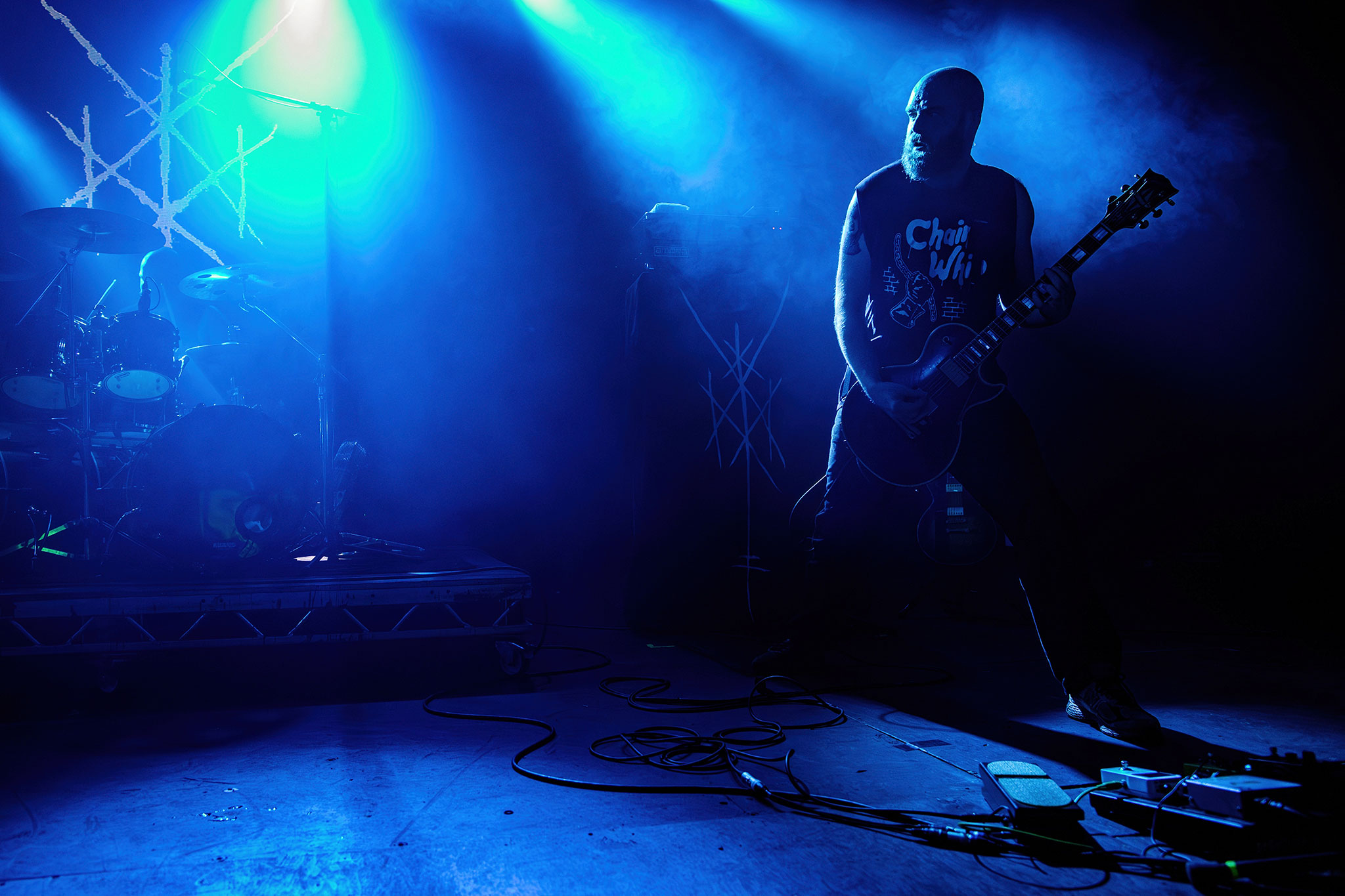
Wiegedood wrapped the Cult Never Dies Stage with relentless, frostbitten black metal violence. Their almost 2-hour set was punishing, immersive, and technically razor-sharp, Belgium’s extreme metal scene proving itself repeatedly throughout the day. The relentless fury provided a fitting penultimate act before the grand finale.
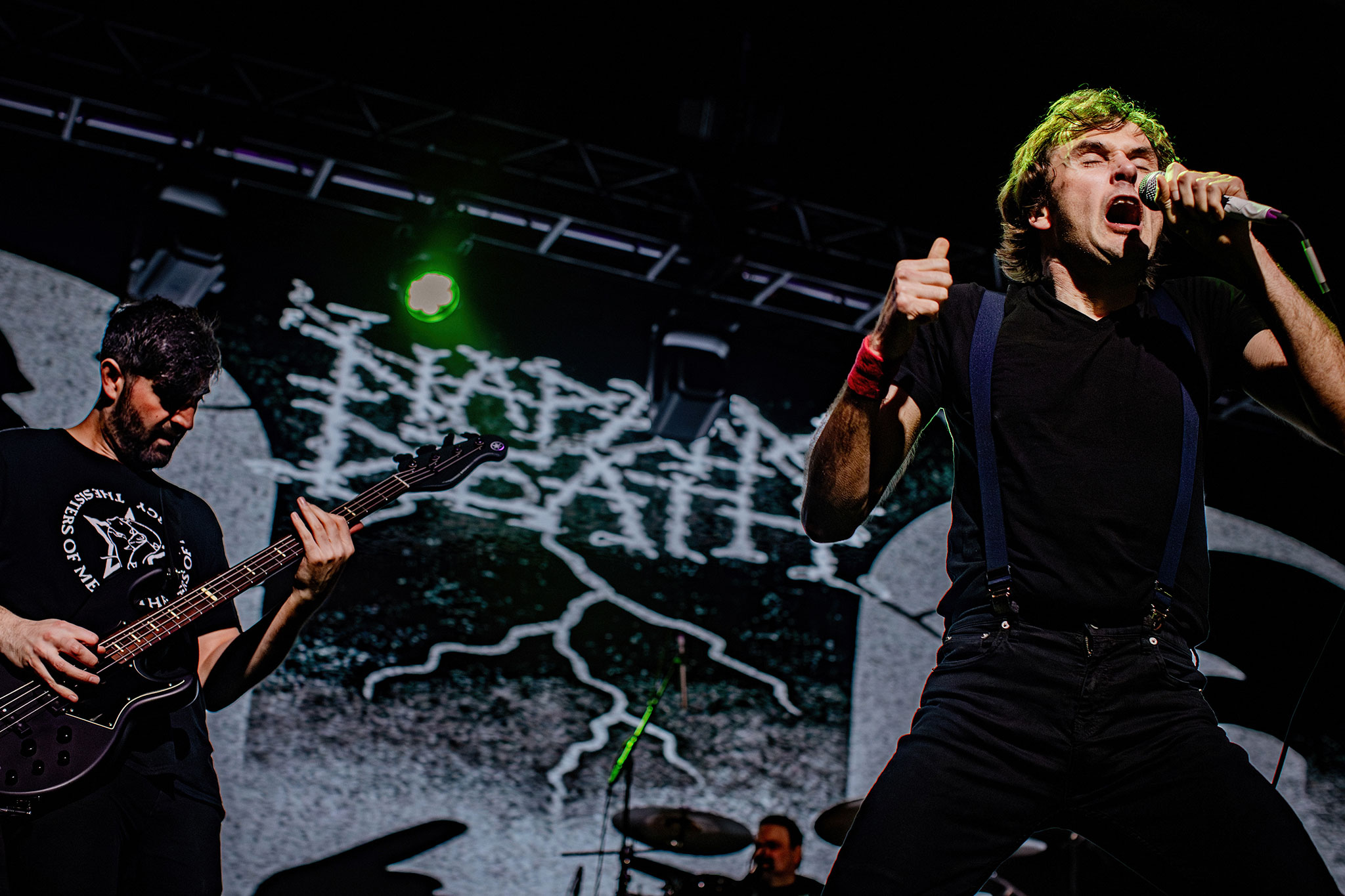
Napalm Death closed the entire weekend with politically furious, hilariously self-aware sonic devastation. Barney Greenway paced like a caffeinated professor, pausing only to articulate something about human rights before detonating the next track. The legendary grindcore pioneers proved exactly why they remain essential, conviction and volume inseparable. Sadly, Shane Embury sat this one out, but it was still a perfect closer for a festival that has always understood the connection between volume and conviction.
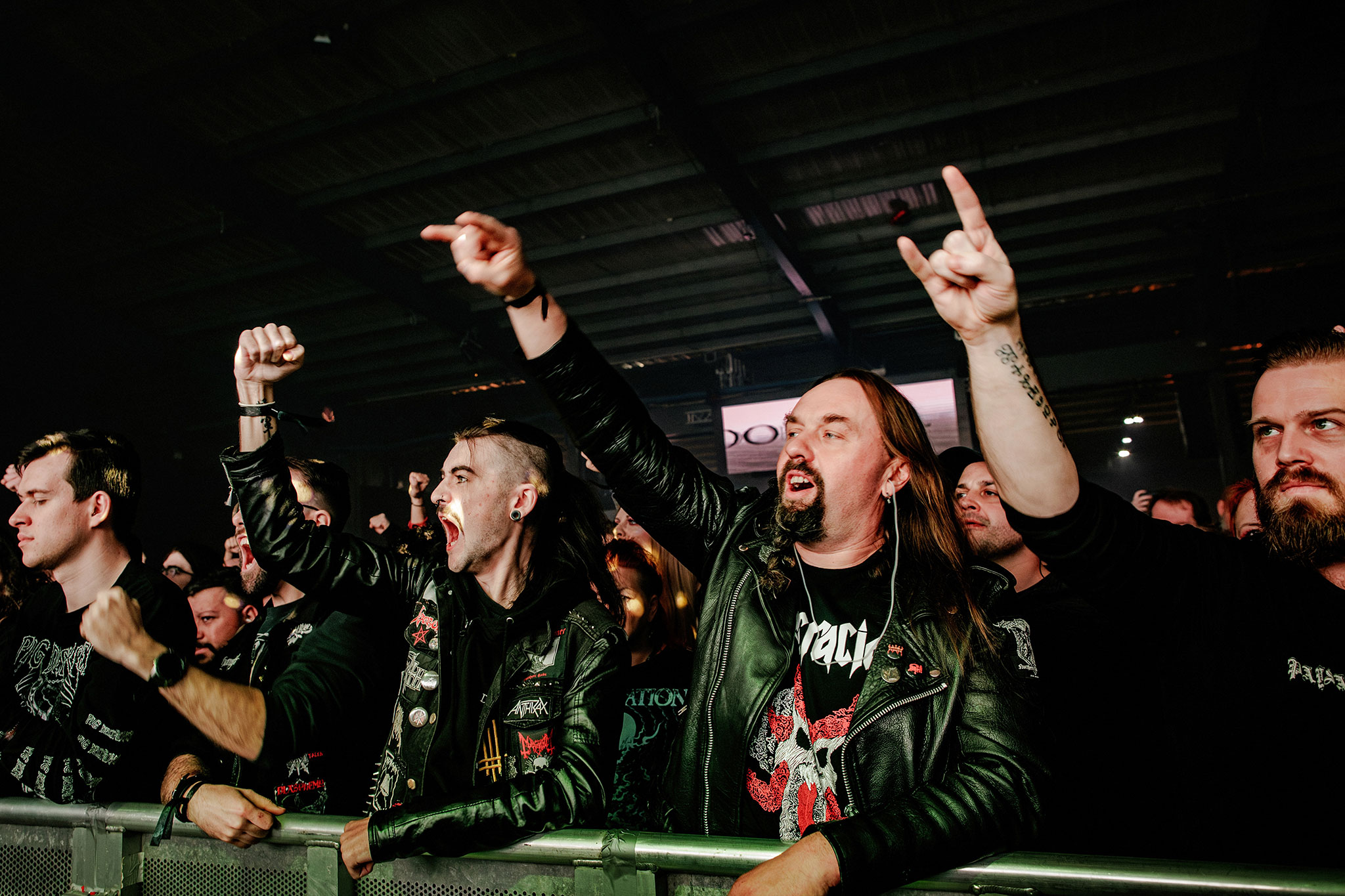
Damnation’s twentieth anniversary could have coasted on nostalgia, booking the same heritage acts and calling it a day. Instead, it felt vibrant and forward-thinking, a genuinely celebratory event that understood its own history without being trapped by it. Two days, three stages, dozens of genres smashing into each other, and a crowd that welcomed every shift with open arms and damaged eardrums.
The sense of community remains the festival’s greatest asset. Strangers bonding over obscure grindcore bands, friends reuniting between sets, moments of genuine discovery happening in real time. It’s lovingly curated chaos, and after twenty years, it’s only getting better.











Review & photos – Steve Gerrard
Share this :


