
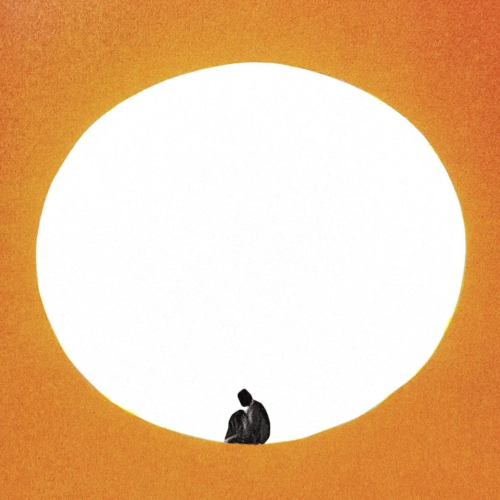
A muted acoustic guitar drifts through Full of Stars while Ben Gibbard delivers one of the coldest lines he’s written in years. Not angry. Not devastated. Past that. “All I need is for you to be kind.” The request hangs there. Death Cab for Cutie spend the next thirty-five minutes picking through the wreckage.
They recorded this album in three weeks with John Congleton, and you can hear what that forced. The band pushing against each other in real time rather than assembling songs in careful, considered layers. There’s friction in the playing that hasn’t been here in a long time.
Punching the Flowers arrives like somebody kicking open a door that had been stuck for years. Jason McGerr’s drums twitch and lurch underneath guitars that seem permanently on edge. Post-punk tension. Math-rock angles. Nick Harmer’s bass refusing to sit politely in the background. Every instrument sounds awake in a way that’s slightly alarming.
The surprise isn’t that Gibbard is writing about divorce. Songwriters have been mining heartbreak since somebody first picked up a guitar. The surprise is how often he turns the knife toward himself. These songs keep circling private cruelties, old habits, the specific failures that compound quietly over years.
Pep Talk lowers the temperature. Clean arpeggios drift through a song that sounds exhausted before it has begun. Gibbard’s voice leans too heavily on sweetness here, the same pull that slightly softens Full of Stars. Still. The fragility earns something. Some days survival looks suspiciously ordinary.
The title track’s first appearance lands quietly. I Built You a Tower (A) takes the album’s central image and gives it physical form. Memory becomes architecture. Regret becomes construction work. The guitar line is simple enough to feel inevitable. Gibbard fills the song with details that seem manageable until they begin piling up around him, and the metaphor carries more weight than it should be able to.
Envy the Birds breaks the mood. Time signatures shift beneath melodic basslines and acidic guitar figures. The song keeps moving sideways. A slide guitar emerges during the middle section, tracing shapes across the mix that feel half-heard, difficult to place, like something overheard through a wall.
Stone Over Water slows everything without losing it. Harmer’s bassline carries the song from beneath, steady and patient, moving with the certainty of a tide coming in whether you want it to or not. Gibbard sings about trying to hold himself together while already sounding aware of how that ends. McGerr barely registers behind them. The whole thing operates at the frequency of something trying not to collapse.
The album’s most aggressive moment arrives with How Heavenly a State. Feedback screams. The rhythm section locks into something mechanical, a little relentless. Harmer’s bass sits on top of the song like weather. Death has always drifted through Death Cab’s catalogue as an ambient concern, a distant possibility. Here it stops drifting.
Trap Door is one of the record’s finest songs. A snowflake becomes an avalanche. A relationship becomes history. Gibbard’s writing is sharpest when he trusts a single image to carry the weight, and this song is full of them. “If only the winners write history, there’ll be nothing on our page” lands with the force of somebody finally admitting what they’ve spent months trying not to say. The song is the longest on the record. It earns every second.
Riptides pushes forward on momentum alone. The rhythm section gives it backbone while Gibbard delivers one of the album’s most direct admissions. Tired of fighting. Tired of carrying flaws he can now name but still can’t fix. The confession arrives without self-pity, which makes it harder to shake.
That unease follows him into The Flavor of Metal, where childhood fears bleed into adult anxieties. Razor blades in candy. Bloody Mary in the mirror. The images should feel disconnected from the album’s larger concerns. They sharpen them. The song catches the strange moment when something sweet reaches your mouth and all you can taste is damage.
By the time I Built You a Tower (B) arrives, the structure Gibbard spent the album constructing has already started to crumble. Distorted guitars churn underneath a voice worn down by repetition, memory, grief. He’s figuring out how to live without someone. The admission doesn’t arrive as revelation. More like a note found in a coat pocket from two winters ago.
Most bands this deep into their career settle into habit. Death Cab spent recent years touring the records that made them beloved and could have easily stayed there. Instead they walked back into the room with their younger selves and found fresh bruises waiting.
I Built You a Tower is out now via ANTI-.
Photo – Shervin Lainez
Share this :


