
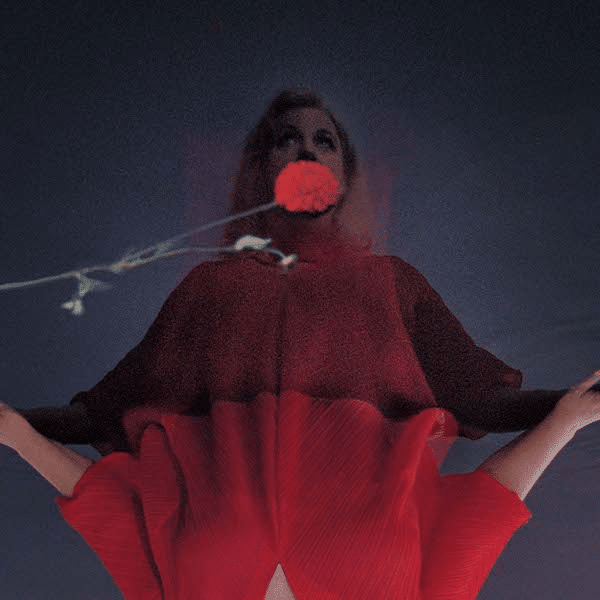
Amy Millan has always understood the power of restraint. Fifteen years removed from her last solo effort, the Stars vocalist returns with “I Went To Find You,” a record that whispers rather than shouts, inviting listeners into spaces both familiar and unexpectedly tender. Working alongside composer Jay McCarrol, Millan has crafted something that feels less like a comeback and more like a conversation she’s been having with herself for years.
The opening track, “Untethered,” establishes the album’s emotional geography immediately. Millan’s voice emerges from a landscape of muted reverb and gentle piano, not demanding attention but quietly earning it. There’s something almost therapeutic about her delivery here, as if she’s working through memories in real time. The song explores the shifting nature of friendships with a directness that avoids both cynicism and false comfort. When she sings about becoming “comfortable with the changing nature” of relationships, it lands with the weight of lived experience.
“Wire Walks” follows with one of the album’s most compelling arrangements. The track, constructed around a hypnotic loop and layered with what the credits charmingly list as “yoga dings and gong,” creates a sonic tightrope that mirrors its lyrical content. Millan navigates themes of self-acceptance without falling into platitudes, her falsetto adding layers of vulnerability to McCarrol’s increasingly complex soundscape. The interplay between her voice and the swelling strings feels carefully choreographed yet spontaneous.
This balance between control and spontaneity runs throughout the record. “Borderline” buzzes with anticipation, its echoing snare and soaring synthesizers building toward a release that feels both inevitable and surprising. Millan’s description of moving through “all this blue to get to you” captures something essential about processing heartbreak—the way healing often feels like swimming through an ocean of sadness before finally reaching shore. The song’s gradual transformation from melancholy to something approaching hope never feels forced.
The title track’s origin story adds another dimension to the listening experience. After Emily Haines connected Millan with McCarrol, their collaboration began with what would become “Make Way for Waves.” The song showcases their creative chemistry perfectly, with surf rock guitars creating what one critic aptly described as a “receding sonic wash” while driving synths push forward with determination. The song serves as a unique sonic representation of the struggle to reclaim lost love.
McCarrol’s background as a composer is evident in the way he treats each song as a complete sonic environment, rather than just a backing track for vocals. The lush string arrangements never overwhelm Millan’s voice, instead creating space for her words to breathe. On “Kiss That Summer,” his old-fashioned backbeat provides welcome contrast to the half-time feel that permeates much of the album, creating what feels like the last song in a John Hughes film—complete with the kind of nostalgic ache that makes you smile despite yourself.
The album’s sparsest moment comes with “Don Valley,” which feels almost like a demo in its stripped-down approach. While this might seem like a misstep in a collection of otherwise fully realized arrangements, it actually serves an important purpose. The song’s bare-bones presentation puts Millan’s voice front and center, reminding listeners of her ability to convey emotion with minimal accompaniment. It’s a palate cleanser before the album’s final act.
“Murmurations” stands as perhaps the album’s strongest individual track. Its exploration of distant friendships and unspoken departures achieves that rare balance between specificity and universality. Millan’s lyrics avoid the trap of over-explaining, trusting listeners to fill in their own emotional gaps. The instrumental arrangement, which includes contributions from an impressive roster of Canadian musicians such as members of Broken Social Scene, provides support without being overwhelming.
The closing instrumental “Lost River Diamonds” provides a gentle landing after the album’s emotional journey. Rather than offering resolution, it creates space for reflection. The ambient textures and warm synthesizers suggest not an ending but a pause—time to process what’s been shared before returning to the waking world.
What makes “I Went To Find You” particularly compelling is how it functions as both personal excavation and universal meditation. Millan has described the album as an homage to the people who shape us, and that collective “you” of the title encompasses lovers, friends, family, and even aspects of ourselves that emerge through connection with others. The record’s dedication to her late father adds another layer of meaning, transforming what could have been simple nostalgia into something more complex.
This isn’t music for immediate gratification. These songs reveal themselves gradually, rewards becoming apparent only through repeated listening. Millan and McCarrol have created something that demands to be experienced as a complete work. The seamless transitions between tracks, the way themes echo and develop across songs, and the careful arc from “Untethered” to “Lost River Diamonds “all suggest artists who still believe in the album as an art form.
“I Went To Find You” succeeds because it trusts its instincts. Millan doesn’t try to compete with contemporary trends or recapture past glories. Instead, she and McCarrol have created a record that occupies its own unique time and space, encouraging listeners to slow down and focus. In a musical landscape often dominated by algorithmic thinking and viral moments, this kind of patient, considered work feels almost radical.
The album stands as proof that some conversations are worth waiting for, even when they take fifteen years to happen.
“I Went To Find You” is out now on Last Gang Records
Share this :


