
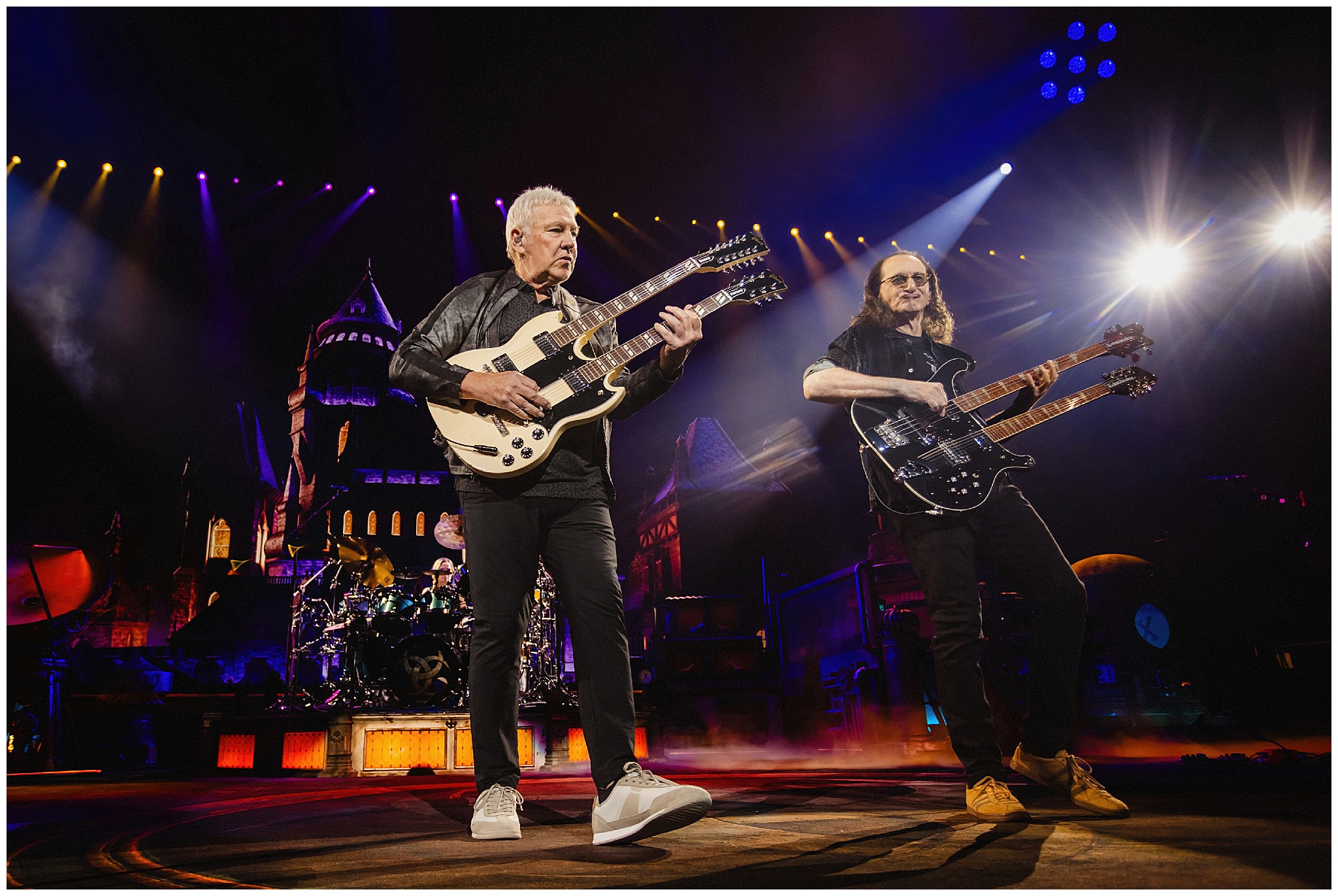
The opening notes of Tom Sawyer have been part of my life for decades. Hearing them inside the Bell Centre, with Rush playing directly in front of me, felt almost impossible.
I had been waiting for this since I was a teenager.
Someone played me A Show of Hands on a genuinely good sound system back then, and Rush sounded unlike anything I had heard before. The precision, the scale, the sense that all three musicians were somehow occupying completely different spaces while remaining locked together. I became a fan, but for one reason or another, I never saw them live.
After Neil Peart died in 2020, I accepted that I never would.
That changed on September 4.
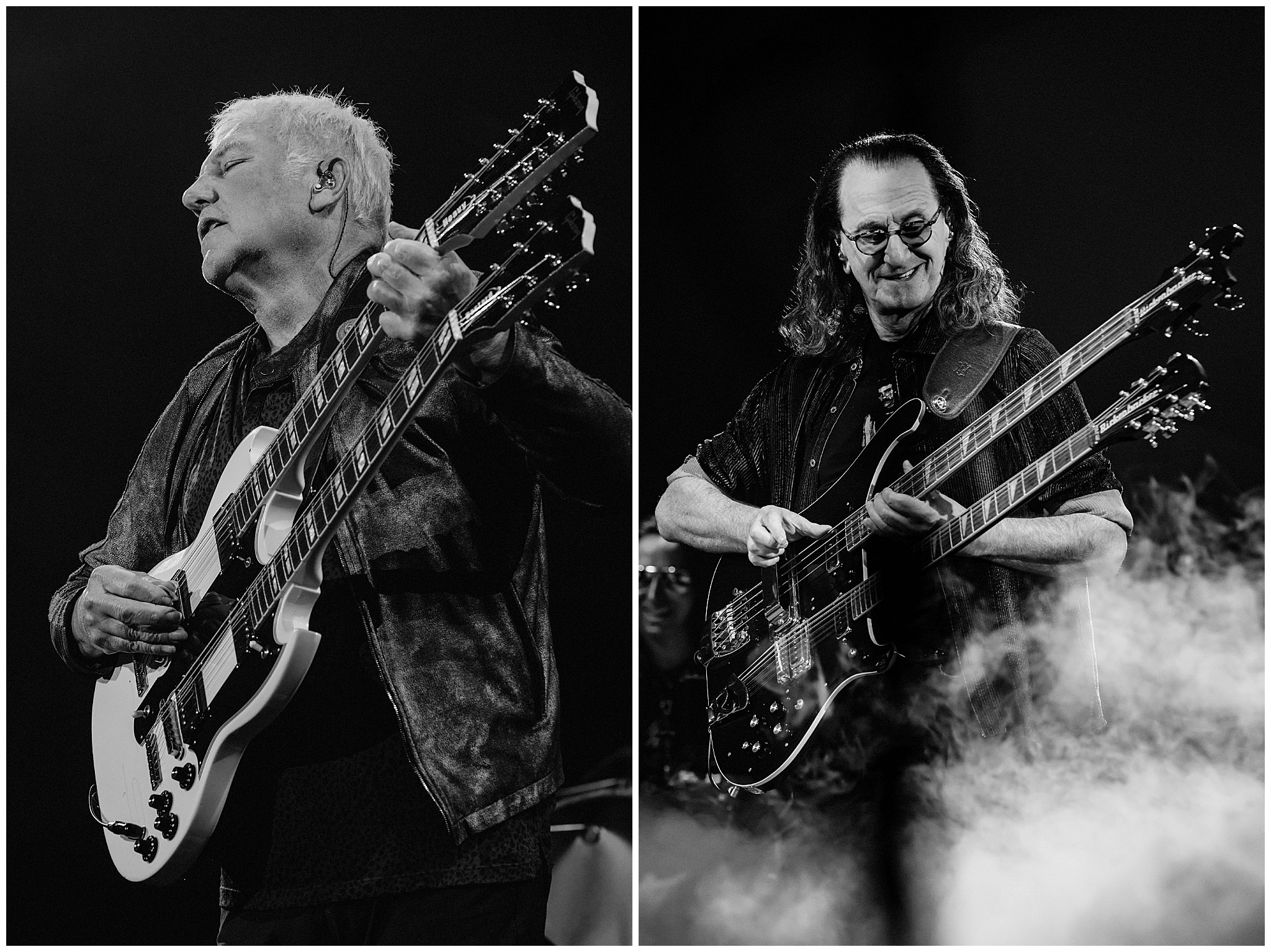
There was still a question hanging over the evening. Geddy Lee and Alex Lifeson had not toured together as Rush for more than a decade, and returning without Peart was always going to be complicated. I knew the musicianship would be there. I was less certain whether it would feel like Rush, or whether I would be watching two members of a great band revisiting something that belonged to another time.
Friends who had seen Rush before told me afterwards that this may have been the best they had ever sounded. I cannot make that comparison. What I can say is that I went in half-expecting to see a band beyond its prime and came away wondering whether Rush might still be operating somewhere near the peak of its powers.
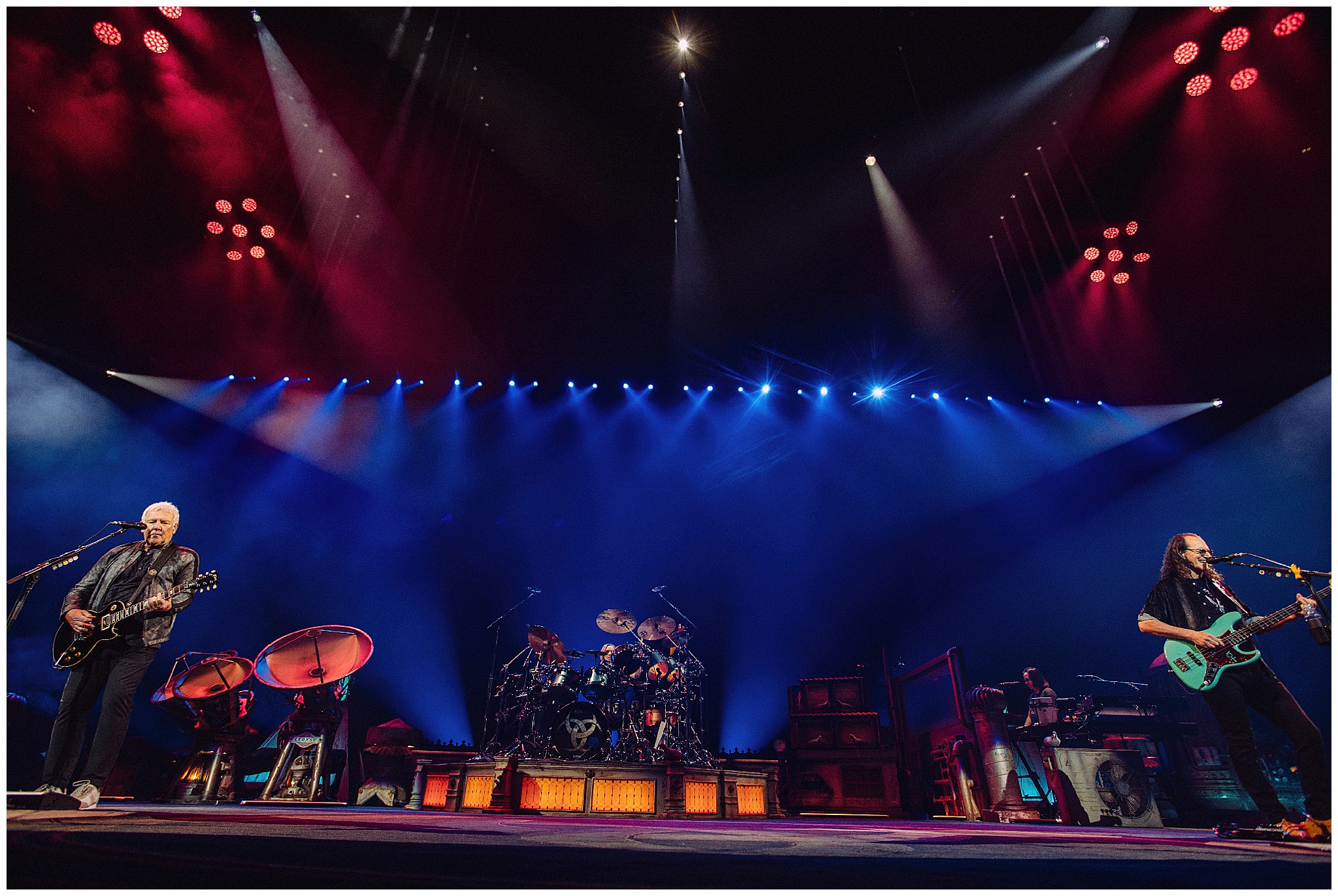
The first set moved freely across the catalogue. Xanadu led into Dreamline, then Subdivisions and Headlong Flight. Four songs from four different periods, placed together without any attempt to ease us through the years in order. It immediately gave the show a broader purpose than revisiting the familiar material.
There was plenty of that too. The Spirit of Radio was one of the songs I most wanted to hear, and it carried the accumulated weight of all those years of listening without ever expecting to experience it live. Some songs become so familiar that you stop noticing their construction. In the Bell Centre, the odd turns and sudden changes of The Spirit of Radio sounded fresh again, every section landing exactly where it needed to while the song continued to dart around.
Then there was La Villa Strangiato, perhaps the clearest demonstration of what this version of Rush can do. It is intricate music that depends on conversation between the players. Accuracy alone would make it feel cold. Here, the technical detail remained intact, but the performance breathed.
Much of that came from Anika Nilles.
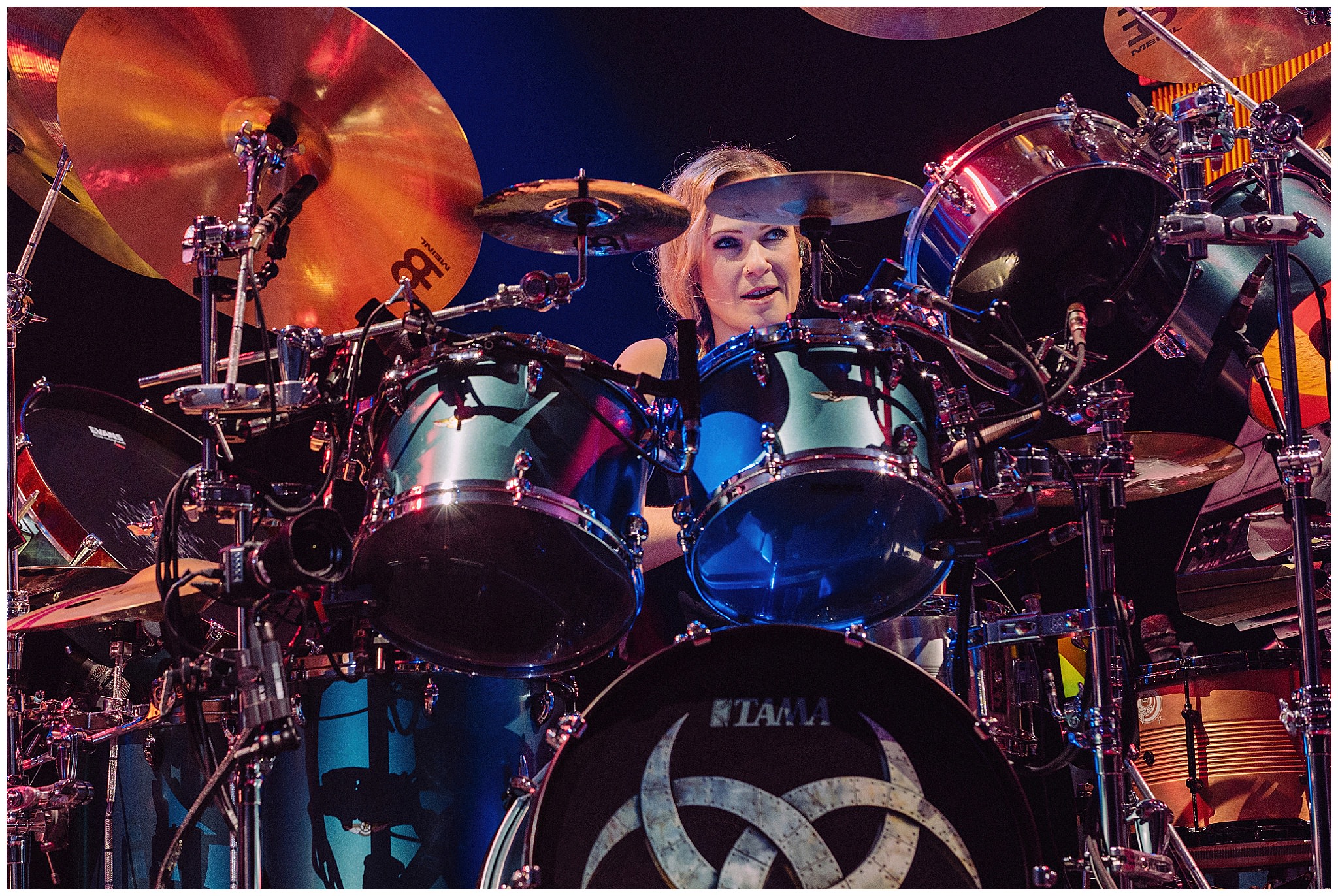
At most concerts, I divide my attention between the musicians or concentrate on whoever is carrying the song at that moment. On this night I spent an unusual amount of time watching the drummer. It was difficult not to. Nilles is an incredible player, handling music associated with one of rock’s most admired drummers while bringing a different physical presence to it.
Very few people could sit behind that kit without making the absence of Peart feel even larger. If anyone can take on the role, Nilles is the person. She plays the essential parts with the precision they require, but her performance never felt like an impersonation. There is personality in it, a slightly different attack, and enough confidence to let the music live in the present.
Nobody can replace Peart in the wider sense. He was the band’s lyricist, its conceptual engine and an irreplaceable part of its identity. Rush seem to understand that better than anyone, which is probably why Nilles works so well. She has not been asked to pretend the past never happened.
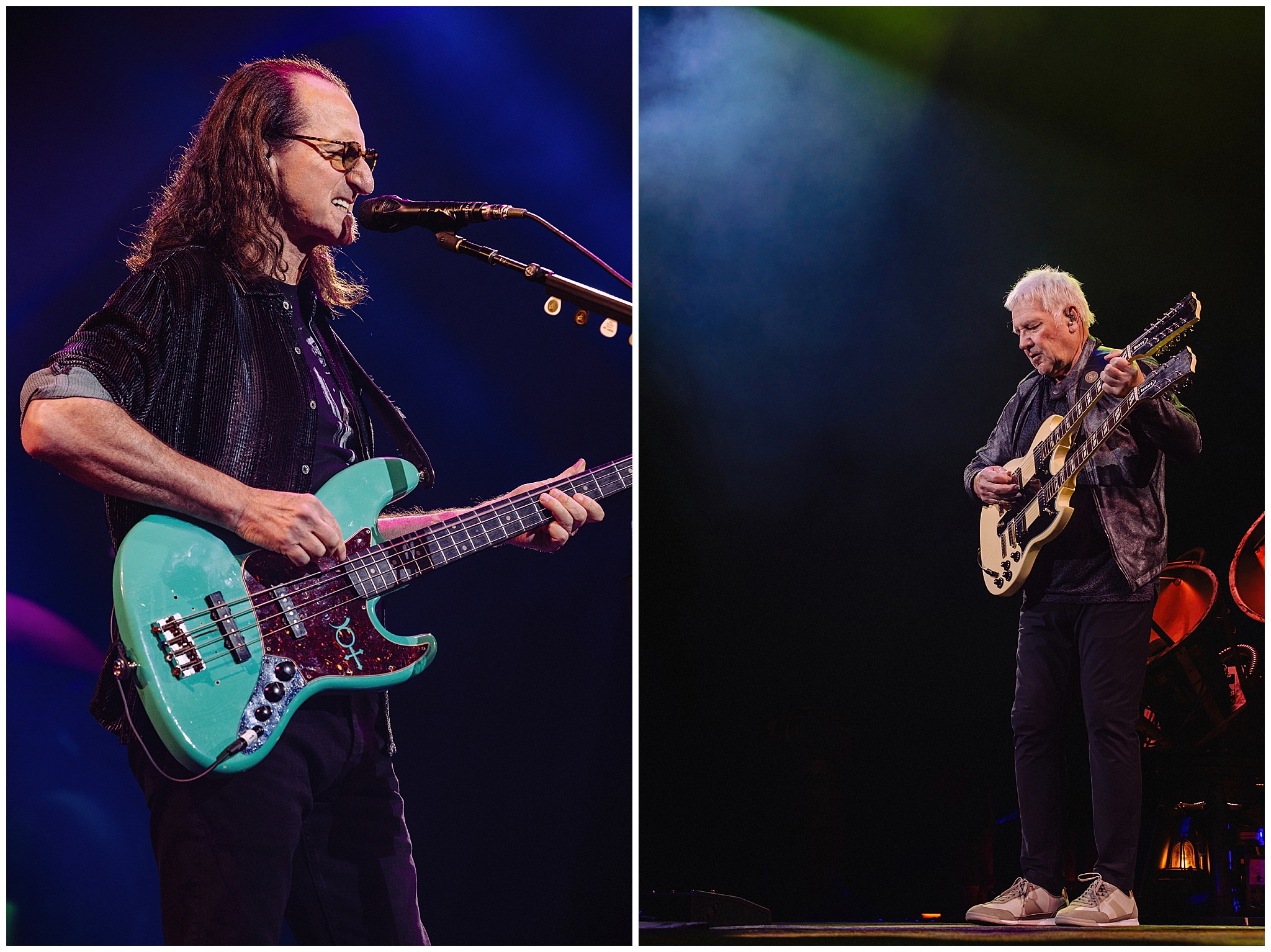
The second set placed Moving Pictures at the centre of the night, played in full and in sequence. If one album could test this lineup from every angle, this was it.
Tom Sawyer carried the obvious weight. It is one of those songs Rush could never leave out, but familiarity has done nothing to blunt it. Lee, Lifeson and Nilles sounded completely in command, with each familiar drum fill pulling my attention back towards the kit. This was the song I had grown up with, now happening a few hundred feet away rather than coming through somebody else’s sound system.
Red Barchetta, YYZ and Limelight followed. The deeper half of the album was just as important. The Camera Eye was allowed its full length, while Witch Hunt changed the temperature before the clipped, restless rhythm of Vital Signs. Hearing the album this way made it feel less like a collection of Rush standards and more like the carefully shaped record it has always been.
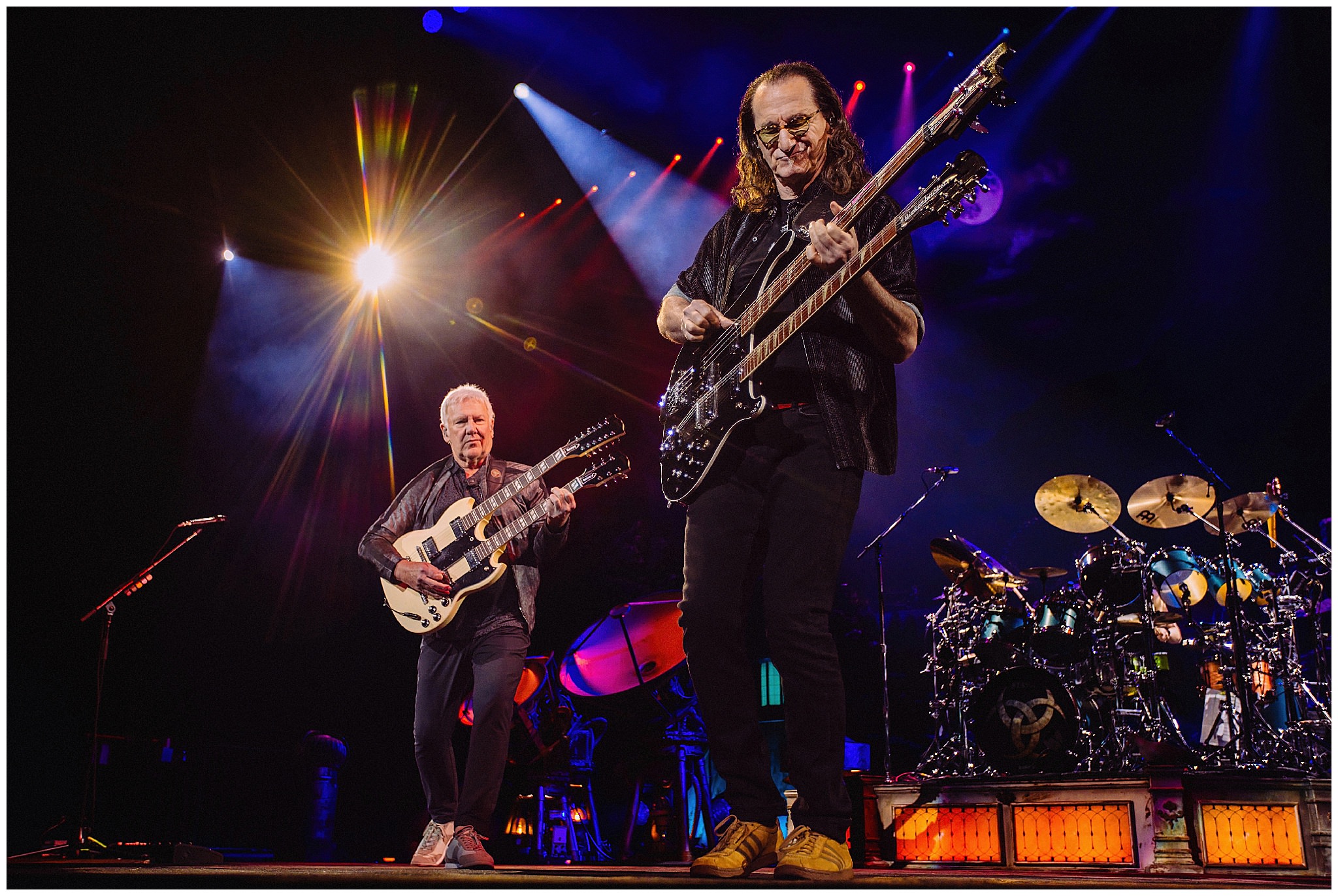
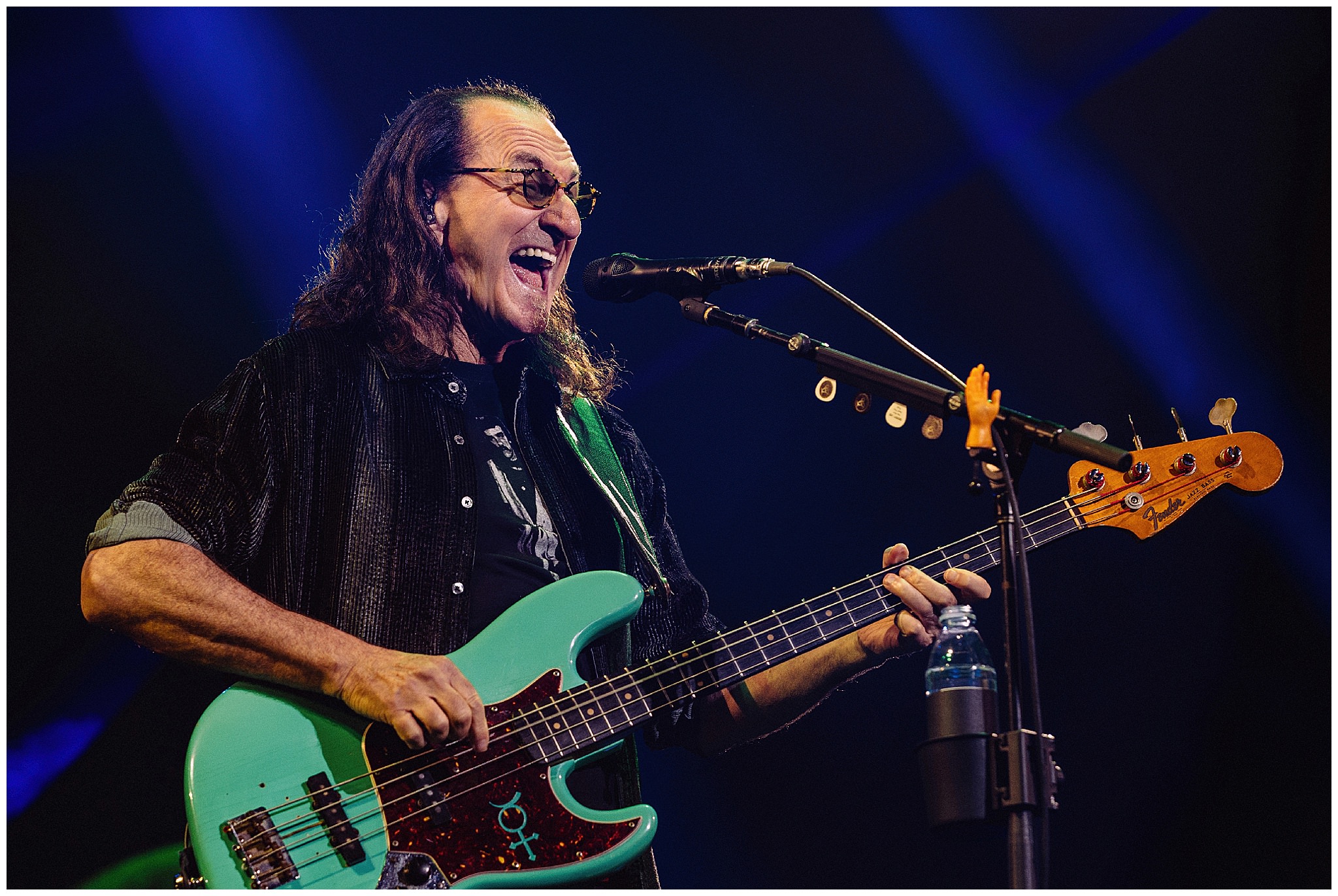
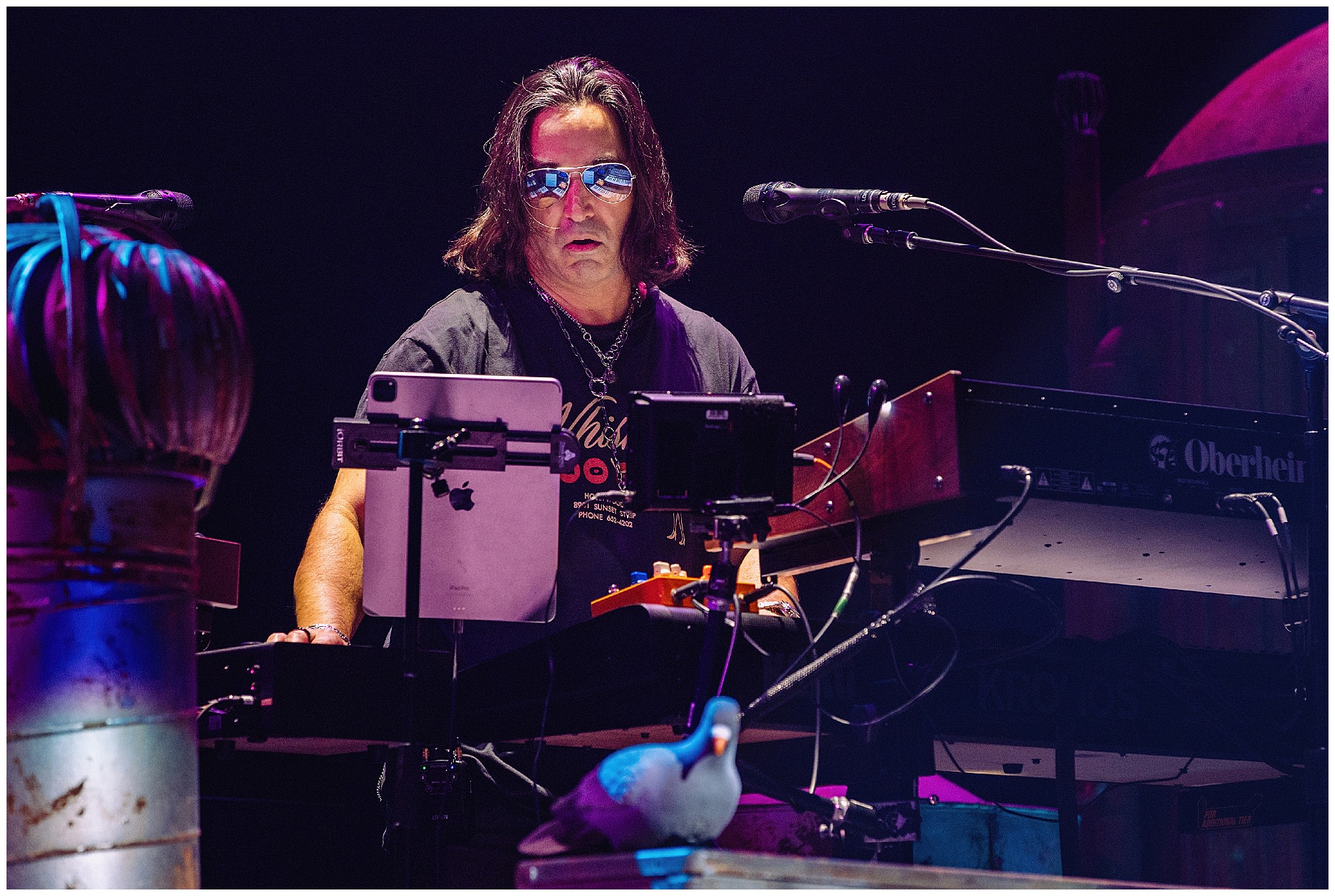
Lee and Lifeson looked and sounded like musicians enjoying the fact that they could do this again. Lifeson’s guitar playing retained its strange balance of weight and space, often leaving more room than a three-piece should reasonably be able to afford. Lee had to manage bass, keyboards and vocals through material that has never been easy to perform. His voice has changed with age, naturally, but it served these songs far better than I had expected. Nothing about the performance suggested that the band had returned merely because an audience was waiting.
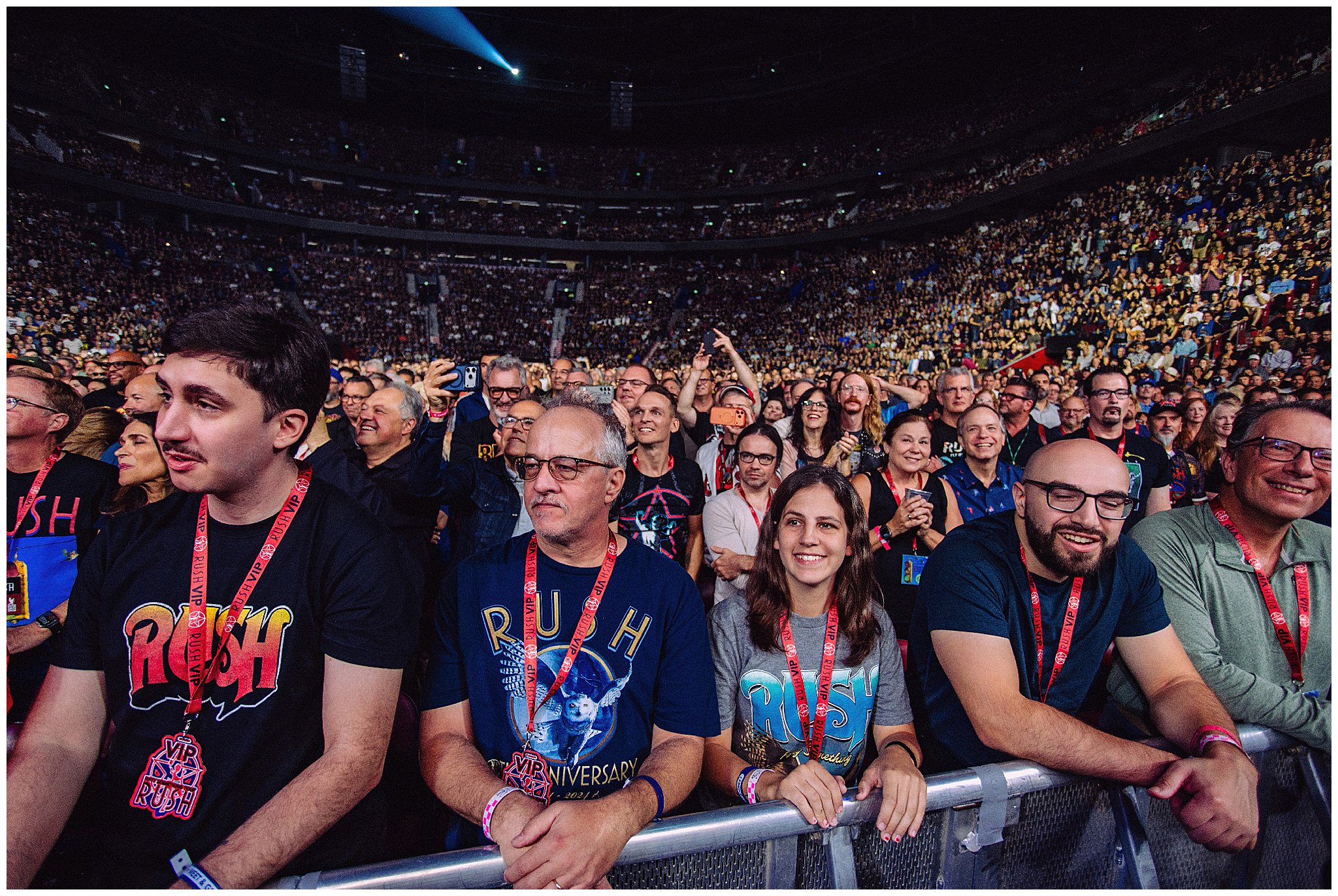
From my seat in the stands, I had a clear view of the stage and none of the sound problems reported from some parts of the arena. The detail remained audible, which matters enormously with this band. Rush songs can become a blur if the room swallows the separation between bass, guitar and drums. Where I sat, the pieces held together.
The closing stretch reached back again, through Time Stand Still, Closer to the Heart and sections of 2112, before By-Tor & the Snow Dog and Working Man finished the live set. Nearly three hours had passed, including the intermission, yet it had not felt like a band carefully rationing its energy.
Peart remained present throughout the evening in tribute collages, along with a filmed appearance by Paul Rudd and Jason Segel. The tributes were perfectly judged and thoroughly touching.
For years, Rush were the band I loved but never managed to see. Then they became the band I knew I never would see.
On September 4, I finally did.
Review & photos – Steve Gerrard


